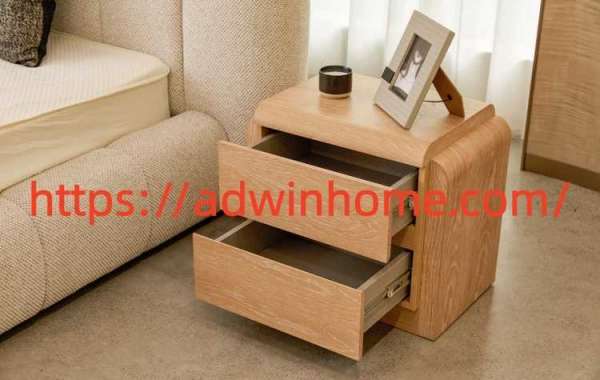
Stylish Compact Furniture reflects a growing interest in making residential interiors feel comfortable, organized, and visually appealing without filling every available corner. As apartments, studios, and smaller homes become common living environments, homeowners are paying closer attention to furniture proportions and room planning. The challenge is not simply fitting more items into a limited area. It is creating an environment where movement feels natural, daily activities remain convenient, and every furnishing contributes to the overall atmosphere.
One useful starting point is understanding the relationship between furniture shape and available floor space. Bulky silhouettes can make a room feel crowded, while visually lighter forms help maintain an open impression. Furniture with raised legs allows more of the floor to remain visible, creating a sense of continuity throughout the room. Rounded edges and curved profiles can also soften compact interiors, particularly when surrounding architecture features straight lines and rectangular surfaces.
Material selection plays an important role in achieving this balance. Wood remains a popular choice because its natural grain adds warmth and visual character. Different finishes can create different moods, from pale and understated to deeper tones with a more traditional appearance. Metal components can introduce a clean structural detail, while glass surfaces help maintain visual openness. Upholstered materials bring softness into seating areas and can make a smaller room feel more welcoming.
Texture should also be considered when combining different materials. A room containing several smooth surfaces may feel visually plain, while carefully introduced fabric, wood grain, and woven accessories create depth. However, too many contrasting textures can make a limited interior appear busy. A coordinated material palette helps different furniture pieces work together. Natural shades, subtle patterns, and consistent finishes can provide a comfortable foundation for personal decoration.
Multifunctional design is another important consideration for smaller homes. A storage ottoman can provide seating while keeping blankets and accessories out of sight. A dining table that can serve as a workspace offers flexibility for people who use the same room for different activities. Wall mounted shelves make use of vertical areas, leaving more floor space available for movement. These solutions help homeowners organize their surroundings without making the interior feel overloaded.
Before purchasing any furnishing, it is useful to think about the room as a complete environment. Measuring the available area is only part of the process. Buyers should also consider door openings, walking routes, window access, and the position of electrical outlets. A cabinet may fit against a wall but still interfere with a nearby doorway. A coffee table may look appropriate in a photograph yet leave insufficient room for comfortable movement. Planning these details beforehand can prevent unnecessary adjustments later.
Visual proportions influence the way a room feels as much as actual dimensions. A low profile sofa can help preserve sightlines, while a narrow console table can provide a useful surface without dominating a passageway. Furniture with open bases or transparent elements can reduce visual weight. Matching every item is not necessary. In fact, combining different silhouettes can make a room feel more personal, provided the colors and finishes maintain a clear connection.
Lighting can further improve the atmosphere of a compact interior. Natural daylight helps reveal material textures and makes rooms feel more connected to the outdoors. Mirrors can reflect available light and create additional visual depth when positioned thoughtfully. Floor lamps and wall lights provide illumination without requiring large table surfaces. Layered lighting also allows homeowners to adjust the atmosphere for reading, working, relaxing, or entertaining guests.
Color planning is equally useful. Light neutral shades can create a calm background, while selected darker accents introduce definition. A pale wooden table, textured fabric seating, and muted wall colors can establish a relaxed contemporary style. Homeowners who prefer stronger visual character can introduce color through artwork, cushions, plants, or decorative objects. These smaller elements are easier to update when personal preferences or seasonal decoration ideas change.
Practical maintenance should remain part of the buying decision. Different materials require different care routines. Wooden surfaces benefit from gentle cleaning and protection against excessive moisture. Upholstery should be maintained according to its fabric instructions, while metal components may require occasional attention to keep their finish clean. Choosing materials that match household routines can make regular care easier and help preserve the appearance of the interior.
AdwinHome brings furniture design and residential styling together through pieces intended to complement different home environments. For homeowners arranging an apartment, updating a guest room, or creating a flexible living area, the relationship between shape, material, and function can make a meaningful difference. Thoughtful furniture selection allows even a modest interior to express personal taste while supporting everyday activities. Visit https://adwinhome.com/products/ to browse the AdwinHome collection and find furnishing ideas for a more coordinated home environment.