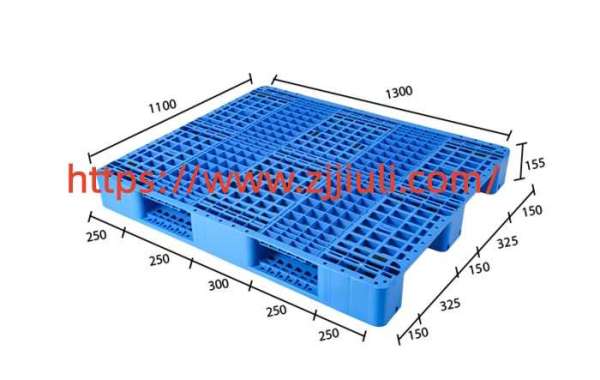
Industrial Plastic Pallets have become an important consideration for companies reviewing their warehouse operations and material handling processes. From manufacturing workshops to distribution facilities, businesses need practical ways to organize goods, support transportation, and maintain orderly storage environments. Although storage equipment may not always receive much attention during operational planning, its material composition, construction, and compatibility with existing workflows can influence everyday efficiency.
One reason businesses consider plastic products is their response to different working environments. Traditional wooden platforms can absorb moisture, develop splinters, and require attention when exposed to changing storage conditions. Plastic offers a different combination of material characteristics. It does not absorb water in the same way as untreated timber, and its surface can be cleaned according to appropriate maintenance procedures. These features make it relevant to workplaces where routine sanitation and product handling are important.
However, selecting a material should involve more than comparing general advantages. Buyers need to understand the actual environment in which equipment will be used. Manufacturing facilities may handle metal components, packaged materials, or finished products. Food-related operations may pay closer attention to cleaning practices, while outdoor distribution environments may need to consider exposure to sunlight and changing weather conditions. The intended application should guide the choice of material and construction.
Another interesting aspect is the relationship between product design and workplace organization. A storage platform needs to accommodate the goods placed on it while remaining compatible with the equipment used to move those goods. Surface patterns, supporting structures, edge design, and bottom construction all deserve attention. These details can influence how products are positioned, how equipment approaches the platform, and how goods are transferred between different working areas.
Color and appearance can also have practical value. Some warehouses use visual identification systems to separate different departments, product categories, or inventory destinations. Coordinated colors can help employees recognize specific groups of goods during daily operations. A consistent product appearance may also contribute to a more orderly workplace, especially in facilities where storage areas are shared by several teams.
Cleaning and maintenance are equally important purchasing considerations. Warehouse equipment is exposed to dust, packaging materials, moisture, and regular contact with different types of cargo. Plastic surfaces can be convenient to wipe and maintain, depending on the material composition and workplace requirements. Businesses should still establish suitable cleaning routines and inspect products regularly for visible wear, cracks, or deformation.
The development of automated warehouses has also changed the way procurement teams evaluate storage equipment. Modern facilities may use conveyor systems, robotic handling equipment, automated guided vehicles, and digital inventory management platforms. Equipment compatibility therefore deserves attention before a purchasing decision is made. Buyers should consider how products interact with existing transportation systems, whether their structural design suits the intended handling method, and whether consistent manufacturing quality can support routine operations.
Manufacturing technology has an important role in these considerations. Injection molding enables manufacturers to develop different shapes, surface patterns, and supporting structures. Product design begins with understanding the intended application and translating those requirements into a mold structure. Material preparation, molding conditions, production inspection, and finishing processes all contribute to the characteristics of the finished product.
Customization is another consideration for businesses with specific operational needs. A standard design may suit general warehouse activities, but some companies have particular requirements involving cargo shape, storage arrangements, or handling equipment. Communicating these details with a manufacturer can help establish whether an existing design is appropriate or whether a customized solution deserves consideration. Product drawings, reference samples, and descriptions of working conditions can make this communication more effective.
Supplier selection should also include an evaluation of manufacturing experience, product categories, communication, and quality management. A supplier familiar with different industrial applications may be better positioned to understand the practical questions raised by purchasing teams. Zhejiang Zhiguang Plastic Pallet Co., Ltd. focuses on plastic logistics and storage products, with a product range covering warehouse equipment, storage containers, baskets, and related plastic products. Its manufacturing and customization capabilities support discussions about different commercial and industrial applications.
For businesses planning changes to their warehouse infrastructure, purchasing decisions should connect product characteristics with real operational needs. Material suitability, structural design, equipment compatibility, cleaning requirements, and supplier communication all deserve consideration. Rather than choosing equipment based on appearance alone, procurement teams can compare available product designs against their actual handling processes. Zhiguang offers a range of plastic products for businesses reviewing their storage and logistics arrangements. Visit https://www.zjjiuli.com/product/ to view its product categories and consider suitable options for manufacturing, distribution, and warehouse operations.