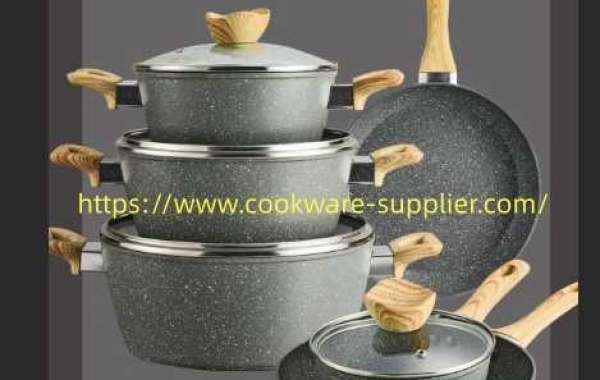
Die-Cast Aluminum Cookware is an option for buyers seeking practical kitchen products with shaped bodies, different size configurations, and flexible design possibilities. Before placing an order, importers and wholesalers should examine more than the appearance and quoted price. Material specifications, structural details, surface treatment, accessories, heating compatibility, and production standards all deserve attention. A clear purchasing plan helps buyers evaluate samples objectively and communicate their requirements before mass production begins.
Review Product Dimensions and Body Structure
Start by checking the diameter, depth, wall thickness, base size, and total weight of each model. These measurements influence capacity, handling, storage, and compatibility with different cooking environments.
Ask the manufacturer to provide a specification sheet with clear measurement standards. When comparing several sizes, confirm that each model has defined tolerances. Differences in rim shape, base dimensions, or body height may affect lid fitting, packaging, and the experience of end users.
Weight should not be the only evaluation factor. Buyers should consider how the body structure relates to the intended application and expected performance. Physical samples can help verify whether the actual product matches the technical information.
Examine Surface Treatment and Coating Quality
Surface treatment affects appearance, cleaning requirements, and daily use. Buyers should ask about available coating systems, preparation procedures, application methods, color options, and maintenance instructions.
During sample inspection, look for scratches, bubbles, pinholes, uneven coverage, and visible color differences. The finish should be consistent with the approved reference sample. For customized projects, buyers should confirm color standards and acceptable variations before production.
Technical documents are also important. Request relevant product information and food-contact compliance records for the destination market. Check that the documents correspond to the actual materials and coating system used in the ordered products.
Check Handles, Lids, and Accessories
Handles and lids influence convenience and product reliability. Buyers should review handle materials, grip shape, fixing methods, and connection points. Fasteners should be properly assembled, without noticeable looseness or sharp edges.
For glass lids, examine thickness, edge finishing, knob attachment, steam vents, and overall fit. A suitable lid should sit properly on the vessel and remain stable during normal handling.
If the order includes several sizes or a complete set, confirm that all components are listed in the quotation. Buyers should also ask whether replacement handles, knobs, or other accessories can be supplied when needed.
Confirm Compatibility with Heating Sources
Different markets may have different household appliance preferences. Buyers should confirm whether each model is suitable for gas, electric, ceramic, or induction cooktops.
For induction-compatible products, review the base structure, magnetic component, contact area, and flatness. Request test information to support the intended product description. A label alone does not provide enough detail for technical evaluation.
Testing should follow consistent conditions. Buyers can compare heating behavior, base stability, and temperature distribution using suitable equipment. Any claims about oven use, dishwasher cleaning, or heat resistance should also be supported by clear specifications and usage instructions.
Understand Manufacturing Quality Control
Quality checks should cover different production stages instead of relying only on final visual inspection. Buyers can ask how incoming materials, body dimensions, surface finishes, and assembled components are evaluated.
Important inspection points include:
Body thickness and dimensional tolerances
Surface appearance and coating consistency
Handle connection and assembly stability
Lid fitting and accessory completeness
Base flatness and heating compatibility
Product labeling and packaging condition
The inspection plan should identify testing methods, sampling frequency, and acceptance criteria. Buyers may also request inspection records or arrange an independent inspection before shipment.
An approved reference sample provides a useful standard for repeat orders. If materials, components, molds, or finishes change, the manufacturer should communicate the changes and obtain approval when necessary.
Compare Customization and Commercial Terms
Private label projects may involve customized colors, logos, packaging, handle designs, and product combinations. Buyers should prepare artwork, dimensions, estimated quantities, and packaging requirements before requesting a quotation.
Commercial details should be reviewed at the same time. Confirm the minimum order quantity, sample charges, production lead time, payment terms, packing method, and shipping arrangements. If different colors or sizes are included, ask whether separate quantity requirements apply.
A detailed quotation makes comparison easier because each manufacturer can price the same specifications. Tooling fees, design charges, and additional services should be clearly identified to avoid unexpected costs.
Evaluate Communication and Production Support
Clear communication helps buyers manage product development and bulk purchasing. A manufacturing partner should be able to explain specifications, answer technical questions, provide sample updates, and communicate production progress.
Before confirming a large order, buyers should approve samples and document all important requirements. It is also useful to agree on inspection arrangements, packaging standards, and procedures for handling production changes.
For international orders, confirm that product labels, carton markings, and shipping documents meet the requirements of the destination market. These details can help reduce delays and misunderstandings during delivery.
Prepare a Clear Purchasing Checklist
Before making a final decision, organize the main requirements into a written checklist. Include product dimensions, body construction, coating details, component specifications, heating compatibility, inspection standards, packaging, and commercial terms.
Buyers should compare quotations against the same checklist rather than choosing solely by unit price. A lower quotation may exclude certain accessories, testing procedures, customized packaging, or other requested services.
Keeping product drawings, approved samples, and inspection records together also makes future repeat orders easier to manage. Both parties can refer to the same specifications when discussing production details or evaluating any changes.Choosing a suitable manufacturing partner requires attention to product details and communication throughout the purchasing process. Buyers who establish clear standards before ordering can make more informed comparisons and manage bulk projects with fewer uncertainties. For further product information, customization discussions, and wholesale inquiries, visit https://www.cookware-supplier.com/product/ and contact cookware-supplier about your project requirements.