Solar Water Pump echnology is attracting attention as farms, rural communities, and businesses consider different ways to manage water without depending entirely on conventional electricity supplies. Agricultural operations often take place far from established power infrastructure, making energy access an important part of irrigation planning. Photovoltaic systems offer an alternative approach by converting sunlight into electrical energy that can operate suitable mechanical equipment. However, selecting an appropriate system involves much more than connecting panels to a motor. Buyers also need to consider water sources, sunlight availability, installation conditions, and daily operating requirements.
One reason this technology has become relevant to agricultural development is the changing way farms organize their energy resources. Traditional irrigation arrangements may depend on grid connections or fuel powered generators. In remote locations, these options can involve additional infrastructure, transportation, and operating arrangements. Solar energy provides another possibility, particularly in areas that receive regular sunlight and have suitable installation space.
The first consideration should be the relationship between local sunlight conditions and irrigation demand. Solar generation changes throughout the day and can also be influenced by cloud cover, seasonal weather, and surrounding obstacles. Trees, buildings, and other structures may create shadows that affect panel performance. Before purchasing equipment, farm operators should evaluate the available installation area and discuss local conditions with a qualified supplier.
Water source planning is equally important. Farms may obtain water from wells, reservoirs, rivers, ponds, or storage tanks. Each source creates different installation requirements. The depth of a well, the distance to the irrigation area, the elevation of the land, and the characteristics of the liquid can all influence the mechanical arrangement. Understanding these conditions helps buyers communicate their needs more clearly.
Material selection deserves attention because outdoor installations are exposed to changing weather conditions. Equipment housings, internal rotating components, shafts, seals, and electrical enclosures may require different materials according to their functions. Cast iron is commonly used in mechanical structures because of its established structural characteristics. Stainless steel may be considered where corrosion resistance is relevant, while suitable protective coatings can help address certain environmental conditions.
The surrounding environment should guide material decisions. Agricultural installations may experience moisture, dust, soil contact, and seasonal temperature changes. In some locations, water may contain suspended particles or substances that affect component wear. Buyers should provide information about these conditions before selecting a particular configuration. Material compatibility is not simply an appearance issue. It is part of planning equipment for its intended working environment.
Another important topic is the coordination between photovoltaic panels, controllers, and motors. Solar panels convert sunlight into electrical energy, while controllers help manage the electrical supply according to the system design. The motor then provides the mechanical movement needed for water transfer. These components must be compatible with one another for the complete arrangement to function as intended.
Some systems include storage solutions or alternative power arrangements to support operation when sunlight conditions change. Whether these additions are necessary depends on the irrigation schedule, local climate, project budget, and water storage arrangements. For certain farms, storing water in a reservoir during periods of available sunlight may provide a practical way to coordinate energy availability with irrigation demand.
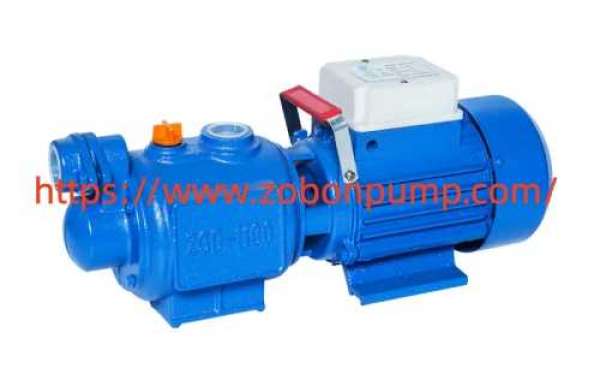
The choice of mechanical design also matters. Submersible models are installed below the water surface and may be considered for wells or other submerged sources. Centrifugal designs use a rotating impeller to move liquid through the equipment, while other configurations may address particular suction or distribution requirements. The correct design depends on the source, installation arrangement, and intended use.
Farm operators should also consider how the system will be managed during everyday activities. Automatic controls can help coordinate operation according to water levels or other system conditions. Monitoring arrangements may provide information about operating status, while suitable protective devices help address certain electrical and mechanical concerns. These features should be selected according to actual requirements rather than added without a clear purpose.
Maintenance planning is another part of successful installation. Outdoor panels need periodic cleaning because accumulated dust, leaves, and other debris can affect sunlight exposure. Mechanical components should also be inspected according to manufacturer instructions. Users can check for unusual vibration, leakage, damaged wiring, loose connections, and visible wear. Keeping equipment accessible makes routine inspection more convenient.
The physical arrangement of the complete system also affects the user experience. Panel placement, cable routing, equipment foundations, pipeline connections, and access for servicing should be considered during project design. A well organized installation can make daily operation easier for farm workers and reduce unnecessary adjustments during maintenance.
Manufacturing capabilities are worth reviewing when comparing suppliers. Buyers can ask about component materials, assembly procedures, product inspection, customization options, and technical documentation. Clear communication before production helps manufacturers understand the intended environment and allows customers to discuss configuration requirements.
Caifu offers several fluid handling equipment categories, including submersible, centrifugal, self priming, jet, and multistage designs. Its product and customization services provide opportunities for agricultural buyers, distributors, and project contractors to discuss different application requirements. This is particularly relevant when a project involves specific water sources, existing irrigation infrastructure, or particular installation conditions.
Planning an energy based irrigation system requires coordination between sunlight availability, electrical components, mechanical construction, and water distribution arrangements. Buyers who evaluate these factors together can make more informed decisions about equipment suitability and project preparation. Agricultural businesses and rural project planners interested in related product categories can visit https://www.zobonpump.com/ review Caifu product information and contact the company about equipment options for their intended applications.