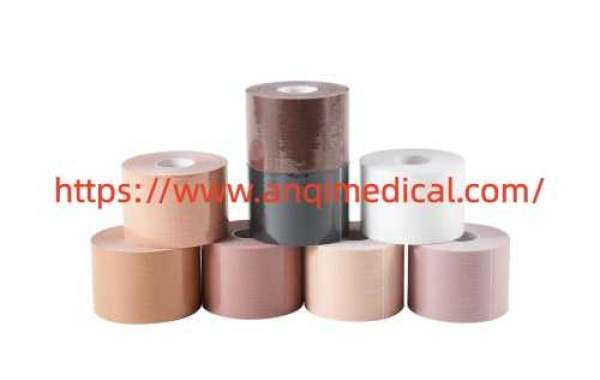
Adhesive Tape For Breasts is attracting attention as clothing styles continue to move toward creative silhouettes, open-back designs, and unconventional necklines. Many consumers are reconsidering how traditional undergarments fit into their wardrobes, especially when selecting outfits for celebrations, social gatherings, or everyday fashion. This changing interest creates opportunities for manufacturers to develop accessories that respond to different styling preferences while keeping practical product considerations in focus.
One reason this category has become part of fashion discussions is the growing variety of garment designs. A backless evening dress, an asymmetrical top, and a lightweight summer outfit each create different requirements for undergarment coordination. Conventional options may not always complement these designs. Alternative accessories provide another way to approach outfit planning, allowing consumers to consider the relationship between garment structure and personal styling preferences.
Material development plays an important role in the manufacturing process. Textile selection influences flexibility, surface feel, and how comfortably a product follows natural body contours. Manufacturers may evaluate cotton-based materials, nonwoven fabrics, and other textile constructions according to their intended applications. Each material brings different characteristics, so product development requires attention to both physical properties and the expected wearing experience.
Flexibility is particularly relevant for accessories intended to accommodate different clothing styles. A material that can follow natural movement may be easier to position around different garment designs. At the same time, structural consistency matters during handling and application. Manufacturers need to consider how the textile interacts with its adhesive layer, since these components work together to determine the overall product experience.
Adhesive formulation deserves equal consideration. Products designed for skin contact require attention to bonding behavior, material compatibility, and removal guidance. A formulation should be evaluated according to its intended application rather than relying on appearance alone. Product descriptions should clearly communicate relevant usage information and encourage consumers to follow the manufacturer's directions.
For shoppers, choosing a suitable product begins with understanding individual requirements. Clothing style, personal comfort preferences, skin condition, and intended occasion can all influence purchasing decisions. Someone preparing for a formal event may have different expectations from someone selecting accessories for a casual outfit. Reviewing material descriptions and application instructions can help consumers decide whether a particular product suits their needs.
Packaging is another aspect that deserves attention. Clear instructions, convenient storage, and understandable product labeling contribute to a more organized purchasing and usage experience. Retailers can also benefit from packaging that communicates the intended application without making unrealistic promises. When consumers understand what a product is designed for, they can make more informed choices.
Color and appearance influence how accessories fit into different wardrobes. Neutral shades may coordinate with a variety of clothing colors, while alternative shades can serve particular styling preferences. Texture and material thickness also affect how an accessory interacts with different garments. These design considerations are relevant to manufacturers developing products for changing apparel trends and diverse customer expectations.
Responsible usage should remain part of the conversation. Skin should be clean and dry before application when required by the product instructions. Consumers should avoid applying adhesive products to irritated, damaged, or sensitive areas unless appropriate professional guidance indicates otherwise. Anyone with a history of adhesive sensitivity should review the material information and consider suitable precautions. Removal should follow the manufacturer's instructions rather than relying on force or hurried handling.
From a manufacturing perspective, consistency across material sourcing, adhesive application, product inspection, and packaging can help support dependable production processes. Businesses serving international markets also need to consider different consumer expectations and product communication requirements. Clear descriptions, practical instructions, and transparent material information can help distributors and retailers present products responsibly.
Aodejian recognizes the importance of connecting functional product development with the changing needs of the fashion accessory market. Attention to textile selection, adhesive characteristics, packaging, and application guidance can help shape products around real purchasing considerations. For distributors, retailers, and businesses evaluating personal care product suppliers, these details offer useful points of reference when comparing product categories and potential manufacturing partners.
Fashion continues to evolve through new garment shapes, fabric choices, and individual styling preferences. Manufacturers that pay attention to these changes can develop accessories with practical applications across different wardrobe needs. Businesses interested in Aodejian and its broader product offerings can visit https://www.anqimedical.com/ to review its company information and related product categories. A clear understanding of materials, intended applications, and consumer expectations provides a useful foundation for future product development and market cooperation.