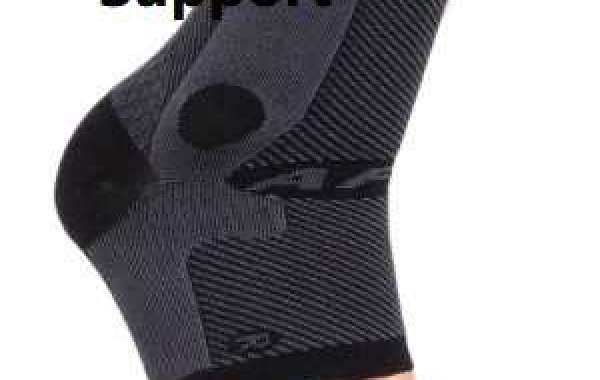
Choosing a suitable Brace Factory involves more than finding a place that produces support accessories. Businesses need to consider product functionality, material characteristics, manufacturing processes, and the preferences of their intended customers. Steriger approaches this product category with attention to practical design and manufacturing requirements, helping buyers consider how different support products may fit into their commercial collections.
Braces serve a variety of purposes in everyday life. Depending on their design, they may provide external support for the wrist, elbow, knee, ankle, waist, or other body areas. Their applications can range from sports activities and exercise routines to ordinary daily tasks. This variety makes product selection an important consideration for retailers and distributors serving different customer groups.
The development of a brace begins with understanding its intended application. Designers need to consider the body area being supported, the desired wearing position, and the movements users may perform. These factors influence the shape, structure, and materials selected for each product. A wrist brace, for example, has different construction requirements from an ankle or knee support accessory.
Material selection is another important part of manufacturing. Elastic fabrics provide flexibility, while breathable textiles can contribute to wearing comfort. Neoprene, knitted materials, and other fabric combinations may be considered according to the intended product design. Manufacturers must evaluate softness, stretch, durability, and skin contact when determining suitable material combinations.
Construction details also affect the usability of finished products. Adjustable straps can offer flexibility when fitting a brace, while reinforced stitching may contribute to structural consistency. Some designs use compression-style sleeves, whereas others incorporate fastening systems or additional support panels. These different approaches allow manufacturers to develop products for varied wearing preferences.
A diverse product range can help businesses respond to different market requirements. Retailers may want to offer individual support accessories, while wholesalers may prefer a broader collection covering several product categories. Having access to different styles, sizes, and construction options makes it easier to organize product selections according to customer interests.
Customization is another consideration for businesses developing their own product lines. Depending on manufacturing capabilities, buyers may discuss fabric colors, product dimensions, logo placement, labels, and packaging. These details can help establish a recognizable product identity while keeping the design aligned with the intended sales channel.
Consistent production management is equally important. Material inspection, cutting accuracy, stitching quality, fastening performance, and finished-product appearance all deserve attention. Reviewing samples and confirming product specifications before production can help buyers communicate their expectations clearly. Good coordination between purchasing teams and manufacturers also supports an organized production process.
For international buyers, supplier communication should cover more than product descriptions. Order requirements, customization details, packaging arrangements, production schedules, and shipping documentation should be discussed in advance. Clear communication helps both parties understand their responsibilities and coordinate the purchasing process with fewer uncertainties.
Market preferences can change, and businesses may need to adjust their product selections accordingly. Some customers value lightweight designs for everyday activities, while others look for adjustable structures or particular fabric characteristics. Understanding these differences can help retailers develop collections that reflect the needs of their audiences.
A well-planned support product collection begins with thoughtful manufacturing decisions. From the initial design concept to material selection and final inspection, every stage contributes to the identity of the finished product.
Give your next product idea a place to take shape. Visit https://www.steriger.com/product/ to browse the available support product range, examine different design possibilities, and open a new conversation about your upcoming sourcing plans.