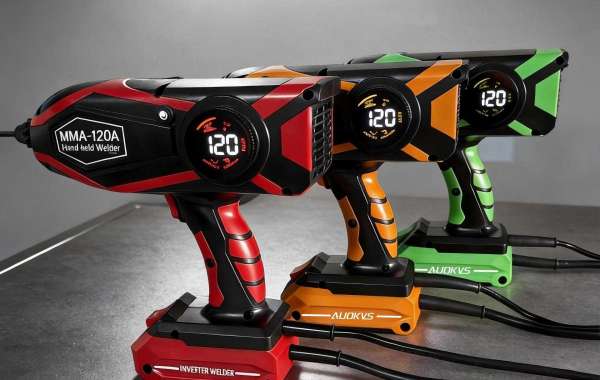
When workshops need a flexible solution for joining metal components, a Handheld Arc Welder can support a range of fabrication tasks without requiring a large welding station. Choosing a suitable Handheld Arc Welder also helps operators handle small projects, equipment adjustments, and customized metalwork with greater convenience. Its compact design makes it a practical option for workspaces where mobility and efficient equipment arrangement matter.
Supporting Small-Batch Fabrication
Small-batch fabrication often involves different component shapes, material thicknesses, and joining requirements. A portable welding machine allows operators to move between workbenches and work areas without repeatedly repositioning large equipment. This flexibility can be useful when producing metal brackets, frames, support parts, and other customized components.
For workshops handling varied orders, equipment adaptability is an important consideration. Instead of dedicating a fixed welding station to every task, operators can arrange their workspace according to the project. A compact machine can also be stored more easily when it is not in use, helping keep the production area organized.
Improving Workflow in Shared Workspaces
In a shared workshop, several operators may need access to different tools throughout the day. Large equipment can occupy valuable floor space and limit how workstations are arranged. A portable welding unit offers another way to organize the production process.
Operators can position the equipment closer to the task, reducing unnecessary movement between work areas. This can be helpful when welding is only one stage in a broader process involving cutting, drilling, grinding, and assembly. A more flexible arrangement allows the workshop to adapt its layout as production requirements change.
Good workflow planning still matters. Before starting a job, operators should prepare the metal surfaces, select compatible electrodes, check cable connections, and make sure the working area is suitable for welding.
Features to Consider When Choosing Equipment
Selecting welding equipment requires more than comparing appearance or size. Buyers should consider the types of projects they handle, the available power supply, electrode requirements, and the expected working environment.
A model designed for convenient handling may be suitable for maintenance benches, small fabrication shops, and occasional metalworking tasks. Operators should also review the control arrangement and understand how to adjust the welding current for different applications.
The MMA-120 model is designed as a compact DC welding option for users who need equipment that can be moved between working locations. Its suitability depends on the materials, electrodes, and operating conditions involved in each project. Reviewing the product specifications before purchase helps buyers assess whether it matches their workshop requirements.
Practical Equipment Support from Auokvs
Reliable welding results depend on both equipment selection and operating practices. Before each session, users should inspect the electrode holder, cables, connectors, and machine housing for visible damage. Proper grounding and suitable personal protective equipment are also essential.
Operators should follow the recommended operating instructions and use electrodes compatible with the material being joined. Maintaining a clean work area helps reduce interruptions and supports a more controlled working process. After use, the machine should be switched off and stored in a dry location according to the manufacturer's guidance.
For workshops with changing fabrication needs, equipment that is easy to position and prepare can make daily tasks more manageable. A clear maintenance routine also helps keep tools ready for their next application.
Choosing a Flexible Welding Solution
From customized metal components to routine workshop fabrication, portable welding equipment can support tasks that do not require a permanent industrial welding station. Buyers should compare machine specifications with their actual workload, available power, and preferred welding methods before making a decision.
The right equipment should fit naturally into the workshop's working process while remaining straightforward to transport, operate, and maintain. To learn more about welding products and available equipment options, visit https://www.auokvs.com/ and explore the solutions offered for different metalworking requirements.