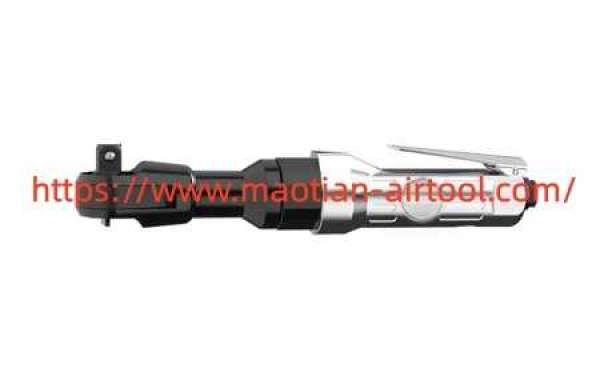
1/2" Air Ratchet Wrench equipment is commonly considered for automotive repair and mechanical maintenance tasks where access and working convenience matter. Technicians frequently encounter fasteners positioned between engine components, beneath vehicle structures, or around mechanical assemblies. In these situations, equipment needs to fit the working environment without making routine procedures unnecessarily complicated. Buyers should therefore look beyond basic functionality and consider structural design, material selection, control placement, and compatibility with their existing workshop equipment.
One important feature of this product category is its compact mechanical arrangement. A ratchet mechanism allows rotational movement to be applied through repeated strokes, making it useful in locations where a full circular movement is difficult to achieve. This operating principle is particularly relevant to maintenance work involving restricted access. Understanding the relationship between the internal mechanism and the working position can help technicians decide whether this configuration suits their daily tasks.
Housing construction is another factor worth examining. The exterior body protects the internal assembly and provides the surface that operators hold during use. Aluminum alloy is commonly used in pneumatic equipment because it offers structural support while remaining suitable for handheld applications. Surface treatment and finishing also contribute to the product appearance and resistance to workshop conditions. Buyers can examine the housing joints, exterior texture, and assembly quality when comparing products from different manufacturers.
The internal ratchet assembly deserves careful consideration as well. Its gears, pawl, and related mechanical components work together to produce the turning action. The quality of component processing and assembly can influence the overall operating experience. Manufacturers may use different internal arrangements depending on the intended application. Purchasing teams should ask about the mechanism design, lubrication requirements, and recommended maintenance procedures before selecting equipment for regular professional use.
Direction control is another practical feature. Technicians often need to switch between tightening and loosening during maintenance work. An accessible reversing control can make this process more convenient, especially when working around components with limited hand clearance. The position and operation of the control should be considered alongside trigger accessibility and grip arrangement. These details can influence how naturally the equipment fits into an established repair routine.
Comfort also matters when equipment is used throughout a working day. A handle that fits naturally in the hand can help operators maintain a familiar grip while positioning the working head around different components. Grip texture, body balance, trigger placement, and exhaust direction are all worth examining. Technicians should consider how the equipment feels when approaching fasteners from different angles, rather than relying entirely on product photographs or general descriptions.
Air supply compatibility should also form part of the purchasing process. Pneumatic equipment depends on a suitable compressed air system, including appropriate hoses, couplings, and air preparation arrangements. Buyers should confirm that the connection design corresponds with their workshop infrastructure. Clean air and suitable lubrication help support routine equipment care. Reviewing these requirements before purchasing can reduce installation difficulties and make it easier to integrate new equipment into existing maintenance operations.
Different industries have their own application requirements. Automotive repair shops may use this equipment for engine maintenance, interior mechanical connections, and general vehicle servicing. Commercial vehicle facilities may encounter different component arrangements and working positions. Machinery maintenance teams may also need equipment for assembling or servicing mechanical structures. Each application involves different access conditions, fastener types, and operating habits, so buyers should identify their primary tasks before deciding on a suitable configuration.
Maintenance planning should not be overlooked. The ratchet assembly contains moving components that require appropriate care according to manufacturer instructions. Regular inspection, proper lubrication, and cleaning can help workshops monitor equipment condition. Operators should also check accessories and connection points before use. A clear maintenance routine supports equipment management and helps purchasing managers consider the ongoing requirements associated with professional pneumatic products.
Supplier selection is equally relevant for businesses purchasing equipment in larger quantities. Product variety, manufacturing experience, communication, technical guidance, and replacement component availability can all influence purchasing decisions. Maotian develops and manufactures pneumatic and electric tools for automotive servicing and industrial applications. Its product range gives professional buyers and distributors different equipment options to evaluate according to their working environments and sourcing needs.
Selecting suitable equipment involves understanding how the mechanical design, housing materials, control arrangement, and air connections relate to actual maintenance tasks. Buyers who assess these details can make more informed decisions about workshop equipment and long term servicing arrangements. Businesses interested in pneumatic tools for automotive repair and industrial applications can visit https://www.maotian-airtool.com/product/ to review Maotian product information and consider equipment options that correspond with their operational requirements.