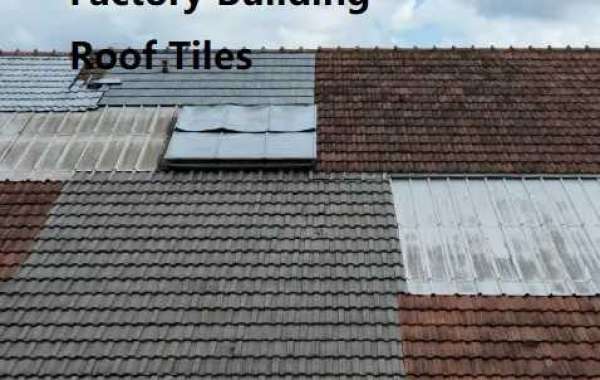
Roof design is an important part of architectural planning, influencing both the appearance and practical performance of a building. From residential houses and garden structures to commercial developments and renovation projects, Chinese Roof Tiles provide roofing options that can complement different architectural styles. When selecting Chinese Roof Tiles, buyers should consider roof geometry, material properties, installation methods, color coordination, and environmental conditions. A well-planned roofing solution can help create a consistent exterior appearance while meeting the functional requirements of different construction projects.
Matching Roof Tile Styles with Architectural Designs
Different buildings require different roofing styles. Traditional Chinese architecture often features distinctive rooflines, decorative edges, and carefully coordinated exterior elements. Modern buildings, meanwhile, may combine traditional roof profiles with simpler architectural details to create a balanced appearance.
Roof tile selection should take these design characteristics into account. Color, shape, surface texture, and tile dimensions can influence how the finished roof looks from different viewing angles.
For residential developments, consistent tile colors can help maintain visual coordination across multiple buildings. Commercial properties may require roofing materials that complement the overall building facade and surrounding landscape.
Architects and contractors should review roof drawings before making a final selection. Understanding the roof slope, dimensions, drainage layout, and supporting structure helps ensure that the chosen tiles are suitable for the intended design.
Material Options and Roofing Performance
Roofing materials need to accommodate outdoor exposure throughout their service life. Sunlight, rainfall, wind, humidity, and temperature fluctuations can all influence roofing performance.
Different tile materials have different characteristics. Polymer-based roofing products, clay tiles, concrete tiles, and other roofing options vary in weight, surface appearance, installation requirements, and maintenance considerations.
When evaluating a product, buyers should review its technical specifications rather than relying only on its visual appearance. Relevant details may include material composition, dimensions, thickness, color options, and applicable installation recommendations.
Roof weight is another important consideration. The supporting structure should be evaluated according to the selected roofing material and the building's design requirements. Proper coordination between roofing specifications and structural planning helps avoid unnecessary construction complications.
ChuanyaBuilding Roofing Solutions for Construction Projects
Choosing a suitable supplier is an important step for contractors, distributors, and building material purchasers. Product consistency, customization capabilities, technical communication, and delivery arrangements can all influence the purchasing experience.
ChuanyaBuilding provides roofing and building material solutions for different construction applications. Buyers can communicate their project requirements, including preferred tile profiles, dimensions, colors, and intended installation environments.
For new construction projects, providing architectural drawings and roof measurements can help suppliers understand the required product specifications. For renovation projects, photographs and information about existing roofing materials may also be useful.
Customization requirements can vary according to architectural style and local construction conditions. Clear discussions before production help both parties establish product expectations and coordinate the purchasing process more effectively.
Installation Planning and Roof Structure Preparation
A successful roofing project begins with proper preparation. Before installation, contractors should inspect the roof framework, confirm the supporting structure, and check whether the surface is ready for construction.
The arrangement of tiles should follow the recommended installation sequence. Proper alignment and overlapping help create a more organized roof surface and support effective water drainage.
Special attention should be given to roof ridges, valleys, edges, and connections around other building components. These areas may require compatible accessories and suitable sealing arrangements according to the roofing system design.
Fasteners should be selected and installed according to the manufacturer's instructions. Workers should also use appropriate handling methods to avoid unnecessary damage during transportation and installation.
Coordinating roofing materials, accessories, and construction procedures before work begins can help reduce delays and improve installation efficiency.
Inspection and Maintenance for Roofing Projects
Regular roof inspections help building owners identify potential problems before they develop into larger maintenance issues. Inspections should include tile surfaces, overlapping sections, ridge areas, fastening points, and drainage channels.
Leaves, dust, and other debris should be cleared when necessary to prevent water from accumulating in drainage areas. Displaced or damaged tiles should be checked and repaired or replaced according to the manufacturer's recommendations.
Maintenance requirements depend on the material, installation environment, and building conditions. Property managers should follow suitable inspection schedules and keep records of repairs to support long-term building management.
For distributors, architects, and construction contractors, understanding product specifications and maintenance requirements also makes it easier to recommend appropriate roofing solutions to customers.
Choosing suitable roofing materials requires a balance between architectural appearance, structural compatibility, environmental conditions, and installation requirements. Whether planning a new building or upgrading an existing roof, buyers can visit https://www.chuanyabuilding.com/ to explore available roofing products and discuss suitable solutions for their construction projects.