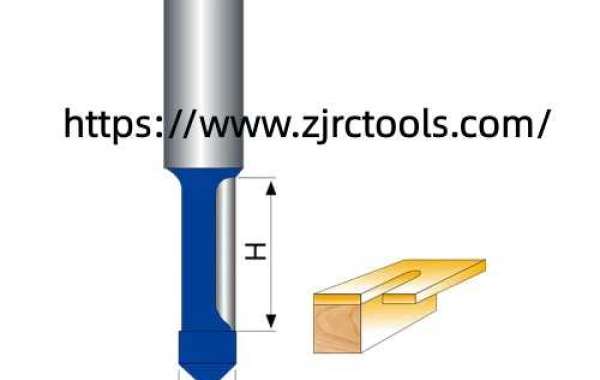
Milling Cutter for Wood applications are closely connected with material utilization, production planning, and the appearance of finished furniture components. In a busy manufacturing environment, every production decision can influence how efficiently raw materials are used. Small imperfections, repeated adjustments, and inconsistent processing may create additional work. This is why manufacturers increasingly pay attention to the relationship between equipment design and the complete production process.
One issue that deserves attention is material waste. When producing furniture panels, cabinet components, decorative edges, and customized parts, manufacturers need to consider how each operation affects the remaining material. Poorly planned processing can leave unnecessary offcuts or create components that require additional finishing. A well organized production process helps businesses use available materials more carefully while maintaining the intended product design.
Production planning begins before a machine starts operating. Designers and technicians need to consider the shape of each component, the direction of natural grain, and the arrangement of different parts on a panel. Computer aided design software can help manufacturers prepare layouts and evaluate how components fit together. CNC programming then translates these designs into machining instructions, making it easier to organize repeated production tasks.
Another important factor is edge geometry. Different furniture designs require different profiles, from simple straight edges to rounded corners and decorative contours. These details influence the visual character of cabinets, tables, shelving systems, and interior fittings. Manufacturers should consider the intended appearance before selecting an appropriate processing solution. A clear design plan can also reduce unnecessary changes during production.
Material characteristics can influence the manufacturing process in different ways. Solid timber contains natural grain patterns, knots, and variations in density. Plywood consists of bonded layers, while MDF has a more uniform internal structure. Laminated panels introduce additional surface considerations. Each material responds differently during machining, so operators should evaluate its characteristics before choosing an appropriate process.
The manufacturing material used in tool production is equally relevant. Carbide is widely used in industrial cutting applications because of its hardness and wear resistance. High speed steel is another option found across various machining environments. The choice depends on the intended application, equipment conditions, and production requirements. Buyers should discuss these details with suppliers instead of assuming that one configuration suits every task.
Consistency becomes particularly important when a business handles repeated orders. Furniture manufacturers may need to produce matching components across several batches. Even small differences in edge appearance or surface preparation can become noticeable when finished parts are assembled together. Regular equipment inspection, appropriate machine settings, and stable workpiece positioning help operators maintain a more predictable workflow.
Technology provides additional opportunities to improve daily operations. CNC systems allow manufacturers to store machining programs and reuse them when similar components are required. Digital production records can also help technicians identify changes between batches. When an unexpected surface issue appears, operators can review the material, program, installation, and operating conditions to identify possible causes rather than making random adjustments.
Dust management is another consideration that affects workshop organization. Processing solid timber and engineered panels can produce airborne particles that collect around machinery and working areas. Suitable extraction equipment, routine cleaning, and appropriate protective equipment help create a more controlled environment. Keeping the machine area clean also makes it easier to inspect equipment and identify unusual wear or damage.
Purchasing decisions should involve more than comparing product photographs or prices. Buyers need to consider machine compatibility, connection requirements, intended applications, maintenance practices, and supplier communication. Providing technical drawings or photographs of the intended component can help manufacturers understand the actual requirements. This information is particularly useful when a business needs customized solutions or plans to introduce a new product design.
A reliable supply relationship also contributes to production planning. Manufacturers need clear communication about product availability, application suitability, order requirements, and after sales support. Suppliers with manufacturing experience can help buyers understand product differences and evaluate suitable options. This exchange of information makes purchasing discussions more practical and reduces the possibility of misunderstandings.
Rct focuses on hardware cutting tool manufacturing and provides products serving different industrial applications. Its manufacturing activities include router bits, drilling tools, and related accessories. Through attention to production processes and product applications, the company works with customers who need equipment suited to their individual manufacturing conditions. Buyers can evaluate available solutions according to their machinery, material requirements, and intended processing tasks.
As furniture production continues to incorporate digital design and automated machinery, efficient material management remains an important business consideration. Careful planning, suitable equipment, regular inspection, and operator experience all contribute to an organized production environment. Businesses looking to refine their manufacturing processes can review the available product range from Rct at https://www.zjrctools.com/product/ and discuss suitable options according to their project requirements. Making informed equipment decisions can help manufacturers manage daily operations while keeping material use and finished product consistency in focus.