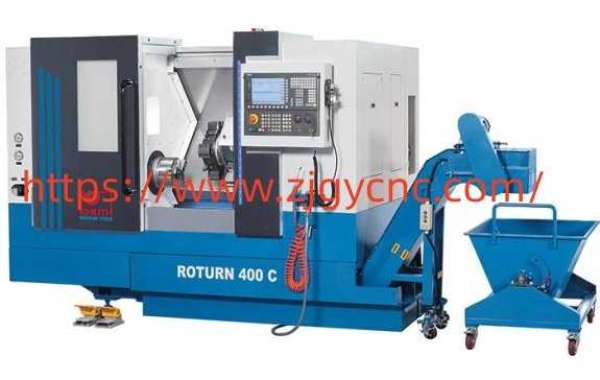
Compact CNC Lathe selection requires buyers to examine more than the external dimensions of a machine. For workshops handling small metal components, the right equipment should match the required workpiece sizes, machining processes, production volume, and available floor space. A machine that fits the workshop but cannot meet daily processing requirements may create unnecessary production limitations. Before placing an order, buyers should evaluate several technical and operational factors to make a practical purchasing decision.
Define the Actual Workpiece Requirements
The selection process should begin with the parts that the machine will produce. Buyers should prepare representative drawings and identify the maximum workpiece diameter, machining length, material type, and dimensional tolerances.
These details help determine whether the proposed machine has sufficient working capacity. For example, a workshop producing shafts, sleeves, pins, and bushings may need different tooling arrangements and machining parameters from one focused on threaded fittings or custom components.
It is also important to distinguish between current requirements and possible future orders. Purchasing equipment with insufficient capacity can restrict new projects, while choosing specifications far beyond actual needs may increase the initial investment without providing meaningful benefits.
Examine Spindle Capacity and Speed
The spindle is a key component because it supports the workpiece and influences cutting stability. Buyers should review the spindle bore, maximum rotational speed, chuck compatibility, and motor power before comparing different models.
Spindle bore and bar-passing diameter are particularly relevant when processing bar stock. If the material cannot pass through the spindle as required, operators may need additional handling steps or alternative production arrangements.
Speed capability should also correspond to the materials and cutting tools used in the workshop. Different metals and machining operations require different cutting conditions. Buyers should therefore provide their material information to the manufacturer rather than selecting a machine based only on its maximum speed.
Review the Guideway and Feed System
Guideways and ball screws influence how the machine moves during machining. Their design, assembly accuracy, and maintenance requirements can affect positioning consistency and long-term operation.
Buyers should ask about the guideway type, axis travel, rapid movement speed, and lubrication arrangement. Roller linear guideways, for example, are used in certain machine configurations to support smooth axis movement. The actual suitability depends on the machining tasks and the overall mechanical design.
The feed system should also be evaluated through practical testing. When possible, buyers can request sample machining or a demonstration using representative workpieces. This provides a clearer understanding of movement stability and processing results than a specification sheet alone.
Choose a Control System That Fits the Operators
The control system affects programming, setup, parameter adjustment, and routine operation. Buyers should consider the experience of their operators and whether the proposed interface is compatible with existing production practices.
Before ordering, confirm the available control system options, programming functions, language support, and training arrangements. Workshops with several operators may also want to understand how quickly new staff can become familiar with the operating process.
At zjgycnc, buyers can discuss different control configurations according to their machining requirements and operating preferences. The product range includes models with optional control systems, allowing purchasers to review suitable arrangements before confirming an order.
Check Tooling and Process Compatibility
Tooling arrangements should correspond to the components being manufactured. Buyers need to confirm the tool post type, supported tool dimensions, boring tool capacity, and the number of tools required for regular production.
For workshops handling several component designs, tooling flexibility can influence setup time and production organization. It is useful to provide the manufacturer with sample drawings and a list of common operations, such as facing, threading, grooving, boring, and profile turning.
This information helps both parties assess whether the proposed configuration can complete the intended processes without excessive manual adjustments or additional equipment.
Consider Installation and Maintenance
Purchasing decisions should include the conditions required for installation and continued use. Check the machine's overall dimensions, weight, electrical requirements, foundation conditions, and access space for loading materials and performing maintenance.
Lubrication is another important point. Some models use automatic lubrication arrangements for guideways and ball screws. Buyers should understand the lubrication intervals, recommended materials, inspection procedures, and maintenance responsibilities before delivery.
It is also worth confirming the availability of replacement parts, technical documentation, remote assistance, and operator guidance. These details can help workshops prepare for routine maintenance and reduce uncertainty during the equipment's service life.
Request Clear Testing and Delivery Information
Before confirming an order, buyers should establish what inspections will be completed before shipment. Relevant checks may include machine movement, spindle operation, control functions, lubrication, and sample machining where applicable.
The acceptance criteria should be agreed upon in advance. If a particular component requires a defined tolerance or surface finish, provide the relevant drawings and measurement requirements so that the testing process can be planned accordingly.
Buyers should also confirm the delivery schedule, packaging method, included accessories, warranty terms, and after-sales support. Written confirmation of these details helps both sides maintain clear expectations throughout the purchasing process.
Making a Practical Purchasing Decision
Choosing suitable turning equipment involves balancing machining capability, operating convenience, installation conditions, and long-term service requirements. Buyers who prepare accurate workpiece information and compare technical details can communicate more effectively with manufacturers and avoid selecting a configuration based only on price or appearance.As a machine tool manufacturer, zjgycnc provides different turning equipment options for workshops with varied production requirements. Buyers can review product details, discuss configuration questions, and submit their application information through the official website at https://www.zjgycnc.com/ before requesting a quotation.