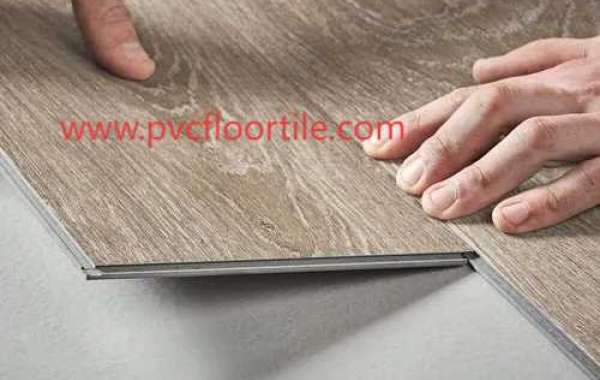
SPC Flooring Factory selection involves more than comparing product photographs and quoted prices. Importers, distributors, contractors, and project purchasing teams need to evaluate how a manufacturer develops product collections, confirms technical specifications, handles samples, and manages repeat orders. A clear purchasing process helps buyers determine whether the available designs and product structures fit their target customers, installation requirements, and business plans.
Start With the Designs Your Market Needs
Different markets have different preferences for interior surfaces. Some buyers may focus on natural wood patterns for residential interiors, while others may require stone-inspired designs for retail spaces, offices, or hospitality projects.
Before requesting a quotation, consider the types of properties and customers you serve. Review the following design details:
Wood, stone, or other decorative patterns
Color shades and visual variations
Surface textures and embossed finishes
Matte or glossy appearance
Edge profiles and bevel details
Plank or tile formats
A well-planned product collection should have a clear design direction. Distributors can organize samples by color family, pattern, surface finish, and intended application. This makes it easier for sales teams to present suitable options to architects, contractors, and property buyers.
Review the Complete Product Structure
Appearance is only one part of a technical specification. Buyers should also understand the construction of each selected product before comparing quotations.
Ask the manufacturer to identify the individual layers and provide the corresponding technical information. Important details may include the rigid core, decorative film, wear layer, surface coating, and attached underlayment where applicable.
Total thickness and core thickness should be recorded separately. If an attached IXPE or EVA backing is included, its thickness should also be identified. This avoids confusion when comparing products with different constructions but similar overall measurements.
The wear layer deserves particular attention because it forms part of the surface specification. Buyers should confirm the stated thickness and review whether the proposed construction matches the intended application.
A complete product data sheet gives purchasing teams a consistent reference when comparing different models or preparing project quotations.
Request Physical Samples Before Confirming a Design
Digital images are useful for initial selection, but screen settings and lighting can change how a color appears. Physical samples allow buyers to examine the actual surface, pattern, edge treatment, and overall appearance.
For larger orders, sample approval should be treated as a documented step rather than an informal conversation.
Consider checking:
Color and decorative pattern under different lighting
Surface texture and embossing
Gloss level and coating appearance
Plank dimensions and edge finishing
Locking profile and connection fit
Attached backing, if included
It is also helpful to keep an approved reference sample. Both the buyer and manufacturer can use the same reference when discussing production details or arranging future orders.
For collections with several colors, each approved sample should have a clear product code. This reduces the possibility of confusion between similar patterns during purchasing and production.
Check Whether the Locking Profile Matches Your Project
The locking system affects how individual planks connect during installation. Buyers should ask which profile is used and whether the proposed design has been evaluated through an assembly trial.
A practical sample review can include several full-length planks rather than a small cut piece. This allows the buyer or installer to examine joint alignment, connection fit, edge condition, and the appearance of the assembled surface.
Installation conditions should also be considered. Subfloor preparation, room conditions, expansion requirements, and the manufacturer's installation instructions all influence the finished project.
For commercial developments or larger residential projects, it may be useful to share the intended application with the manufacturer before selecting a product configuration.
Discuss Private-Label and Packaging Requirements
Private-label products can help distributors organize their own collections and present a consistent brand identity. Buyers should clarify these requirements before production begins.
Possible requests include:
Brand logos and product names
Custom carton artwork
Color codes and product labels
Barcodes and shipping marks
Installation instructions
Pallet labels and packaging details
Before printing begins, the final artwork should be checked for spelling, dimensions, product information, and destination-market language. The approved version should be recorded so that later changes do not create confusion.
Buyers should also confirm carton quantities, coverage per carton, net weight, gross weight, and pallet arrangements. These details are useful for warehouse planning, freight calculations, and inventory management.
Understand How Repeat Orders Are Managed
For distributors, one purchase may be followed by several replenishment orders. Maintaining a consistent product reference helps both parties manage these transactions.
Each product should have an identifiable code linked to its approved construction, color, dimensions, surface finish, and packaging details. When a buyer requests a repeat order, these records provide a reference for checking whether the new batch follows the agreed specifications.
It is also worth discussing how color variations between production batches are reviewed. For projects involving multiple delivery stages, buyers may need to coordinate quantities and production timing in advance.
A written order specification can record the approved sample, product structure, quantity by color, inspection requirements, and packaging version. This helps reduce misunderstandings when several products are included in one purchase.
Prepare a Clear Brief Before Requesting a Quotation
A detailed inquiry allows the manufacturer to review the project requirements more effectively. Buyers should prepare the intended market, application, preferred designs, product dimensions, target construction, estimated quantity, and packaging preferences.
If certain details are not yet decided, list them as items for discussion instead of making assumptions. The manufacturer can then clarify available configurations and explain which information is needed before production.pvcfloortile works with buyers who are reviewing product collections, customized designs, and order specifications for different markets. Before discussing a project, purchasing teams can organize their preferred colors, technical requirements, sample references, and estimated quantities. Visit https://www.pvcfloortile.com/product/ to view available product options and prepare a more detailed inquiry for your upcoming orders.