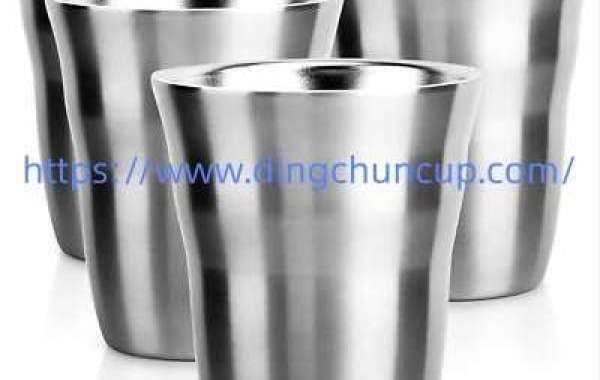
SS Cup purchasing involves more than selecting a shape or comparing quotations. For importers, wholesalers, retailers, and private-label businesses, the process requires careful consideration of material specifications, body construction, surface finishing, usability, and order arrangements. Each detail can influence how the product fits a particular market and how easily it can be introduced into an existing product collection. Preparing clear requirements before contacting a manufacturer helps buyers make practical purchasing decisions.
Define the Intended Customer Group
Before reviewing individual models, buyers should identify who will use the product and where it will be sold. Different customer groups may have different expectations regarding appearance, capacity, weight, and daily convenience.
For example, retailers serving office workers may prefer simple designs that are easy to store and clean. Promotional gift businesses may pay greater attention to color options, logo placement, and individual packaging. Outdoor retailers may consider handling comfort and resistance to ordinary wear.
This information gives manufacturers a clearer understanding of the project. It also helps buyers avoid selecting a configuration that does not match their intended sales channel.
Confirm the Material Specifications
Material information should be clearly documented before an order is confirmed. Buyers can ask about the stainless steel grade, the materials used for different components, and the intended application of each part.
For products with inner and outer walls, confirm whether the two sections use the same material specification. If plastic or silicone accessories are included, request details about those components as well.
Purchasers should also consider the requirements of their destination markets. Where food-contact documentation or other product testing is required, discuss the relevant standards with the manufacturer before production begins.
Having written material specifications makes it easier to compare quotations and check whether the approved sample matches the agreed requirements.
Examine the Body Construction and Rim Finish
The body construction affects appearance, handling, and everyday maintenance. Buyers should inspect the overall shape, wall structure, base design, and connection points.
Pay attention to the drinking rim. Its edge should be smooth and comfortable during normal use, without visible burrs or rough finishing. The base should also sit steadily on a suitable flat surface.
Dimensions deserve careful review. Height, diameter, opening size, and empty weight can influence storage arrangements and customer convenience. Buyers should request technical drawings or measurement details rather than relying entirely on product photographs.
A physical sample can provide a clearer understanding of the actual proportions and finishing details.
Compare Surface Finishes and Appearance Options
Surface treatment influences the visual presentation and maintenance requirements of a product. Depending on the available manufacturing options, buyers may consider polished, brushed, coated, or other decorative finishes.
Each treatment creates a different appearance. A polished surface may suit customers who prefer a reflective look, while a matte finish may fit a simpler product style.
When evaluating a colored finish, ask about color references and sample approval procedures. Screen images may not accurately represent the final appearance under different lighting conditions.
It is also useful to discuss how the selected finish should be cleaned and maintained. This information can later be included in product instructions for retailers and end users.
Evaluate Practical Use and Cleaning
A product intended for regular use should be convenient to fill, drink from, and clean. Buyers can examine the opening diameter, internal accessibility, body weight, and overall shape.
If the design includes a lid, handle, or additional accessory, check how each component connects to the main body. Removable parts may make cleaning easier, while complicated structures could require more detailed care instructions.
Buyers should also consider whether the design fits common household storage spaces and the needs of their target customers.
Testing a sample under ordinary usage conditions can help reveal details that are difficult to judge from a product photograph or specification sheet.
Review Customization and Branding Options
For businesses developing private-label collections, customization is an important part of product planning. Buyers may ask about logo engraving, printing methods, available colors, and packaging designs.
Before approving a custom order, provide the manufacturer with clear artwork files and instructions. Confirm the logo size, position, color reference, and decoration method.
It is advisable to review a sample or artwork proof before production. This allows both parties to check the visual result and make adjustments before the order moves forward.
Customization requirements should also be considered when discussing order quantities, additional costs, and production schedules.
Compare Quotations and Confirm Order Details
A quotation should provide enough information for buyers to understand exactly what is included. Check the model number, material specifications, dimensions, customization method, packaging arrangement, and order quantity.
When comparing different offers, make sure the product configurations are equivalent. A difference in material, surface treatment, or packaging can affect the quoted price.
Buyers should also confirm sample charges, payment arrangements, production schedules, inspection procedures, and shipping terms. Keeping these details in writing helps reduce confusion during order processing.
Build a Clear Sampling and Purchasing Plan
Before arranging bulk production, review the approved sample against the written requirements. Check its appearance, dimensions, rim finish, surface treatment, component fit, and packaging.Keep a record of the approved configuration so that future orders can refer to the same specifications. If changes are needed, communicate them before production starts rather than relying on informal discussions.For businesses planning new drinkware collections, working with a manufacturer that can discuss product details and customization requirements is an important part of purchasing preparation. dingchuncup provides product options for buyers reviewing stainless steel drinkware and related manufacturing arrangements. Visit https://www.dingchuncup.com/ to view the company website and discuss product specifications, sample requests, branding details, and wholesale purchasing plans for your target market.