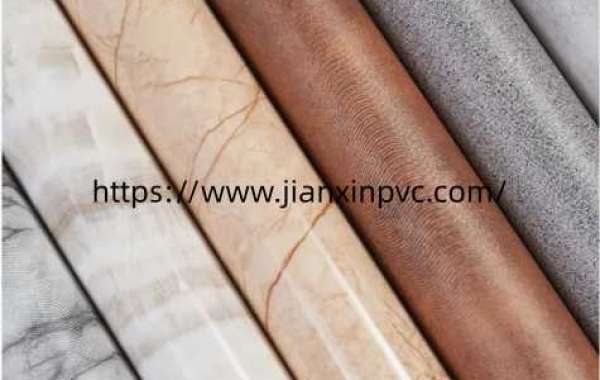
Stationery products are part of everyday routines in classrooms, offices, libraries, and creative workspaces. Their covers and protective surfaces need to accommodate frequent handling while maintaining an appearance that suits the product’s purpose. When manufacturers evaluate PVC Film for Stationery, they consider how the material’s composition, flexibility, surface finish, and processing behavior work together. The film may serve as a visible outer layer, a protective cover, or a component within a finished stationery item. Its value comes from matching these functions with the product’s intended use and design.
Material selection begins with understanding the role of the film in the finished item. PVC formulations can be developed with different degrees of flexibility and surface character, allowing manufacturers to consider clear, colored, or textured options. Additives and formulation choices influence how the material behaves during conversion and use. A flexible film may suit products that need to bend repeatedly, while a firmer construction may be considered for covers that should retain their shape. Buyers should discuss the finished application with suppliers instead of choosing a material based only on its appearance in a sample.
Surface finish is another important material consideration. A clear, smooth film can preserve the visibility of printed graphics, labels, or decorative paper beneath it. Matte or textured surfaces create a different visual and tactile impression, and may be selected when a subdued finish or distinctive handling feel is desired. Colored film can contribute directly to a product’s visual identity, while transparent options allow the underlying design to remain visible. The selected finish should be compatible with the intended printing, bonding, folding, or assembly process.
A useful buying process starts with the finished stationery product rather than the film roll alone. Manufacturers should identify whether the material will be used for notebook covers, document folders, binders, sleeves, organizers, or another stationery application. Each product may have different expectations for flexibility, clarity, surface feel, and durability during handling. Buyers should also consider how the film will be cut, folded, bonded, stitched, or otherwise converted. Reviewing a sample under realistic production conditions can reveal whether the material behaves as expected and whether its appearance suits the product.
The technical role of PVC film extends beyond covering a surface. Depending on its formulation and application, it can help create a barrier between paper or printed content and everyday contact. In stationery items, the film may be incorporated into a cover or formed into a transparent pocket that makes stored documents easier to identify. During manufacturing, processes such as cutting, folding, printing, lamination, and bonding shape the material into its final form. The film must respond appropriately to the selected process so that the finished product maintains a consistent appearance and useful structure.
Production consistency is important when stationery items are manufactured in batches. Variations in surface appearance, color, or material behavior can affect how finished products look and how smoothly they move through conversion. Suppliers and buyers can establish shared expectations by reviewing samples, discussing surface requirements, and identifying the intended processing method. Inspection may focus on visible marks, consistency of finish, and suitability for the planned conversion steps. Clear communication helps reduce the chance that a material selected for its appearance will create difficulties during production.
The user experience of stationery is shaped by small details. A notebook cover should feel comfortable to handle, while a folder needs to open and close without making everyday use awkward. Transparent pockets can help users recognize documents without removing them, and a surface that is easy to wipe may be convenient in frequently used environments. Film selection can influence these details through flexibility, texture, and surface character. Manufacturers should consider how the material will feel and behave after it becomes part of the complete product, not only how it appears as an unused sample.
Design and appearance provide opportunities for stationery brands to distinguish their collections. Clear film can highlight printed artwork or a carefully chosen paper pattern, while colored and textured surfaces can establish a more distinctive style. A matte finish may complement understated office products, whereas a glossy surface can emphasize color and graphic detail. Coordinating film appearance across notebooks, binders, and folders can also help a product range feel visually connected. These choices should remain compatible with the product’s construction and intended use, so decorative decisions support rather than complicate manufacturing.
Zhejiang Jianxin Plastic Co., Ltd. produces PVC calendered film products for a range of applications, including stationery-related uses. Businesses developing stationery collections can discuss material preferences, transparency, surface finish, processing needs, and the intended finished product with the company. Reviewing samples and clarifying production expectations can help buyers assess whether a film is suitable for their design and manufacturing workflow. Further information about the company and its PVC film offerings is available at https://www.jianxinpvc.com/.