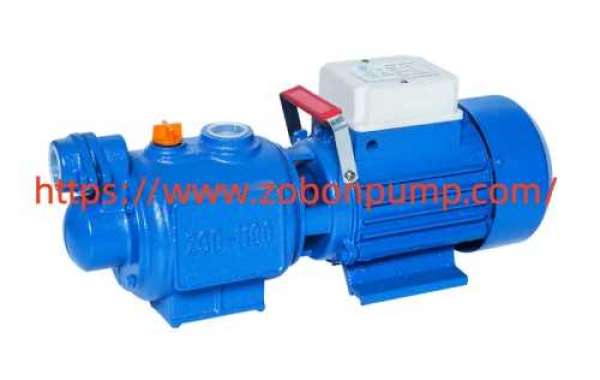
Solar Water Pump selection requires more than comparing motor power or panel size. Buyers need to consider daily demand, source depth, available sunlight, delivery distance, and installation conditions before placing an order. For farms, livestock facilities, gardens, and remote properties, choosing equipment that matches the actual workload can help manage operating costs and maintain a practical supply throughout changing seasons. A clear understanding of these factors also makes communication with manufacturers more productive.
One of the first steps is to calculate how much liquid the site needs each day. A small vegetable garden has different requirements from a large agricultural field or a livestock facility. Buyers should estimate daily consumption, irrigation schedules, and periods of higher demand. Seasonal changes matter as well. Crops may require additional irrigation during dry weather, while livestock facilities need a dependable supply throughout the year. These details help establish a realistic operating target before comparing equipment models.
The next consideration is the depth of the source and the height of the delivery point. Lifting liquid from a deep well requires different equipment from transferring it out of a shallow pond. Buyers should also measure the distance between the source and the final outlet. Long pipe routes, narrow pipes, bends, and fittings create friction losses that influence the required operating pressure. Manufacturers can use these details to assess whether a proposed model can provide the required flow under actual working conditions.
Sunlight availability deserves equal attention. Photovoltaic panels generate different amounts of electricity depending on location, season, cloud cover, shading, and installation angle. A site with clear skies throughout much of the year may have a different energy profile from a location with frequent cloudy days. Buyers should review local sunlight conditions and ask suppliers to explain the expected daily output under relevant operating conditions. Planning around realistic energy availability helps avoid relying on rated figures that may not reflect everyday performance.
The relationship between the motor, controller, and panel array also deserves careful review. These components need to work within compatible voltage and current ranges. A controller may regulate power input, manage starting conditions, and provide protective functions depending on its design. Buyers should confirm whether the proposed configuration includes the necessary controls, cables, connectors, and mounting accessories. If storage batteries or a backup power source are being considered, their compatibility and additional costs should be discussed before the purchase.
Equipment construction should reflect the conditions at the installation site. For a submerged unit, buyers need to check the permitted installation depth, casing materials, sealing arrangements, and motor protection. Surface installations require attention to weather exposure, ventilation, mounting stability, and protection against debris. The source itself should also be assessed for sand, sediment, and other particles that could affect internal components. Selecting a suitable intake arrangement and following the manufacturers operating instructions can help reduce avoidable maintenance issues.
Another important factor is daily operating flexibility. Some projects can store the delivered supply in a tank during sunny hours and use it later. This arrangement may reduce the need for battery storage, depending on the required schedule and system design. Buyers should estimate the necessary storage volume, consider automatic level controls, and ask how the equipment responds when the source level becomes low. Protective functions can help reduce the risk of dry running, while suitable installation planning supports more consistent operation.
Before confirming an order, buyers should request a detailed specification sheet, performance curves, recommended operating range, installation guidance, warranty terms, and a list of available replacement parts. The quoted maximum flow rate alone is not enough to determine suitability. Performance should be checked at the required lifting height and operating conditions. It is also useful to clarify delivery arrangements, technical assistance, spare parts availability, and whether the supplier can support projects with different configurations.
For distributors and agricultural equipment dealers, product consistency and communication are additional purchasing considerations. Clear model identification, organized technical documents, suitable packaging, and reliable order coordination can simplify inventory management. Buyers handling multiple projects may also benefit from discussing customization, accessory combinations, and expected production schedules with the manufacturer. These details make it easier to prepare quotations for different customers and match equipment specifications to specific applications.
A practical purchasing decision begins with accurate site information rather than assumptions about rated power or expected output. By comparing demand, lifting requirements, energy availability, construction, protection features, and after sales support, buyers can build a clearer picture of the equipment needed for their projects. Caifu provides a starting point for buyers who want to review pumping solutions against their application requirements and discuss suitable configurations. To assess available products and technical options, visit the official website at https://www.zobonpump.com/ and use the product information to prepare specific questions for your next purchasing discussion.