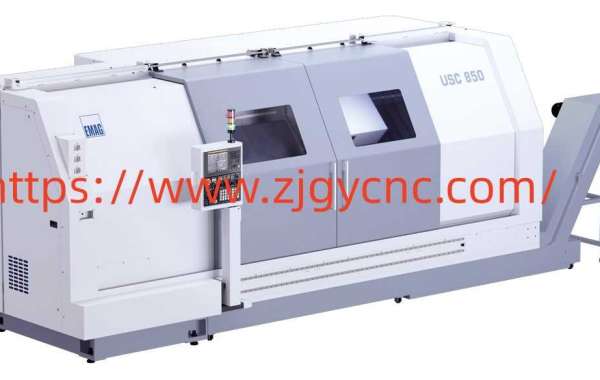
Universal CNC Lathe selection starts with a clear understanding of the parts you plan to manufacture, the materials involved, and the production volume expected. For machine buyers, the goal is to identify equipment that matches real workshop requirements rather than paying for functions that may not be needed. Reviewing technical specifications, operating conditions, and future production plans can make the purchasing process more practical.
1. Define Your Workpiece Requirements
Begin by listing the workpieces that will be machined on the equipment. Important details include maximum diameter, workpiece length, material type, part geometry, and the tolerances required by the finished product. These factors help determine the necessary machining capacity and configuration.
If your workshop produces several part families, consider how frequently operators will change between jobs. A machine intended for short production runs may need convenient setup procedures, while repeated batches may place greater emphasis on cycle consistency and tool management.
Providing sample drawings to the manufacturer can make discussions more specific. Include the critical dimensions, material grades, surface finish requirements, and any features that require special tooling. This information gives the supplier a practical basis for discussing suitable machine specifications.
2. Review Spindle Performance and Machine Structure
Spindle speed, torque characteristics, power, and rigidity affect how equipment handles different cutting operations. Buyers should compare these specifications with the materials, cutting tools, and workpiece dimensions expected in daily production.
Machine structure also deserves attention. The bed, guideways, and supporting components influence the equipment's behavior under cutting loads. Ask about the machine construction and how its design relates to the intended machining tasks.
Instead of evaluating a single specification in isolation, consider the complete operating range. A workshop handling different materials and part sizes should confirm that the proposed configuration supports its regular jobs without creating unnecessary restrictions.
3. Check the Control System and Programming Needs
The control system affects programming, operation, setup, and integration with existing workshop processes. Buyers should confirm the controller type, supported programming methods, available functions, and compatibility with their operators' experience.
If the workshop already uses particular programming practices, discuss them with the supplier before ordering. Training requirements, program transfer methods, and available technical documentation may also influence how quickly the equipment can be introduced into production.
For businesses planning to expand their machining capabilities, consider whether the control functions support the operations likely to be introduced later. The aim is to select a configuration that suits current work while allowing reasonable flexibility for future projects.
4. Evaluate Tooling and Setup Procedures
Tooling compatibility can affect both the range of operations and the time needed to prepare a new job. Buyers should identify the required tool holders, tool positions, chuck arrangements, and any special accessories associated with their parts.
Ask the manufacturer which tooling items are included in the quoted configuration and which must be purchased separately. This helps purchasing teams estimate the complete setup cost rather than comparing machine prices alone.
It is also useful to discuss changeover procedures. If the workshop handles frequent product variations, clear setup instructions and suitable tooling arrangements can help operators prepare jobs more consistently. Where possible, evaluate representative workpieces during a sample machining review.
5. Consider Floor Space, Maintenance, and Operator Skills
Before placing an order, check the machine footprint, installation conditions, power supply, and any required auxiliary equipment. The available workshop space must accommodate not only the machine but also loading, unloading, inspection, and routine maintenance.
Maintenance arrangements are equally relevant. Ask about recommended inspection intervals, lubrication requirements, commonly replaced parts, and the availability of technical support. These details help the production team prepare a realistic maintenance plan.
Operator experience should also be considered. A configuration with functions that exceed the team's current capabilities may require additional training. Discuss training options and documentation with the supplier so that the workshop can plan for installation and commissioning.
6. Compare Total Project Requirements Before Ordering
A purchasing decision should account for more than the initial quotation. Buyers should review the included accessories, tooling, installation support, training, delivery schedule, warranty conditions, and service arrangements.
Prepare a comparison sheet using consistent criteria for every machine under consideration. Record machining capacity, spindle specifications, controller details, tooling configuration, installation requirements, and expected production tasks. This makes technical differences easier to identify and supports a more informed discussion with the manufacturer.
For customized projects, share drawings and production targets early. A detailed conversation can help clarify which options are necessary and which may add cost without contributing to the intended application.For workshops evaluating new machining equipment, zjgycnc can discuss machine configurations and production requirements based on your intended workpieces and operating conditions. Prepare sample drawings, material details, dimensional requirements, and expected production volumes before contacting the company. Visit https://www.zjgycnc.com/ to review the available equipment range and discuss a configuration that aligns with your workshop plans.