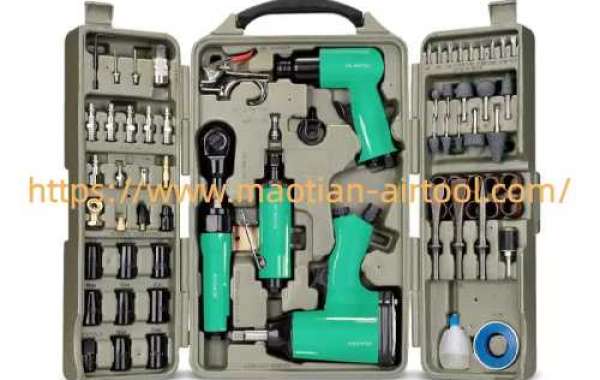
Air Hammer Tool Kit selection involves more than checking how many accessories come inside a package. For automotive workshops, mechanical repair businesses, and industrial distributors, the right combination depends on the jobs performed every day. Cutting attachments, punches, retaining components, and connection fittings each serve different purposes. Buyers who understand these differences can evaluate product configurations more carefully, reduce unnecessary purchases, and choose equipment that matches their working requirements.
The first consideration should be the intended application. Automotive technicians may need to separate corroded joints, remove rivets, trim sheet metal, or carry out localized body repairs. Industrial maintenance teams might focus on component removal, surface preparation, and other mechanical tasks. Since each operation requires a different contact shape, buyers should identify their regular workload before comparing available packages. A clearly defined application list also helps manufacturers recommend suitable combinations without adding accessories that have little practical value.
Cutting attachments deserve particular attention. A panel cutter may help with certain sheet metal operations, while a flat chisel can be appropriate for selected separation and scraping tasks. A tapered punch is useful for targeted contact where its shape matches the job. Other options, such as rivet cutters and spot weld separators, may suit specific automotive repair procedures. Buyers should confirm the intended function of every attachment and check its dimensions against the receiving mechanism. The precise selection should reflect the materials being processed and the manufacturer's operating instructions.
Compatibility is equally important. Even when two products appear similar, their attachment dimensions and retention arrangements may differ. Before placing an order, request the relevant measurements, connection specifications, and a detailed inventory. Confirm whether the package includes a retaining spring or another approved securing component. Buyers should also check the inlet fitting and connector standard against the existing workshop supply system. These simple checks can prevent avoidable delays caused by incompatible parts or missing accessories.
The power supply deserves attention before any purchase is finalized. Pneumatic equipment depends on suitable pressure and sufficient airflow to operate according to its specifications. Review the recommended operating pressure, consumption rate, hose diameter, and inlet size stated in the manufacturer's documentation. Then compare these requirements with the compressor and distribution lines already available at the workplace. If several devices will operate at the same time, consider their combined demand. Discussing these figures with the supplier helps buyers assess compatibility before the shipment arrives.
Material quality and construction details can also influence service life. Buyers may ask about the materials used for cutting edges, attachment surfaces, retaining components, and the main housing. Manufacturing tolerances, inspection procedures, and maintenance recommendations are useful subjects for supplier discussions. Rather than judging a product by appearance alone, request specifications that can be compared across different models. Clear documentation provides purchasing teams with a more consistent basis for evaluating the available options.
Storage is another practical detail that should not be ignored. A dedicated carrying case can keep attachments organized, simplify stock checks, and make transportation between work areas more convenient. Check whether the internal compartments accommodate each component securely and whether frequently used accessories can be identified easily. For distributors, packaging dimensions and labeling may also influence warehouse storage, shipping arrangements, and retail presentation. If customized packaging is needed, discuss artwork, quantities, and approval procedures before production begins.
Maintenance support should form part of the purchasing decision. Buyers can ask whether replacement attachments and service components are available, which lubrication procedures are recommended, and how often routine inspections should be performed. Operators should follow the supplied instructions, wear appropriate protective equipment, secure the workpiece, and disconnect the compressed air supply before changing attachments or performing maintenance. These practices help reduce workplace risks and support consistent equipment care.
For wholesale purchasers, communication with the manufacturer helps bring the entire order together. Confirm the model, accessory list, required quantities, packaging arrangements, production schedule, and shipping terms in writing. If the order involves several configurations, request a separate component list for each version. This makes receiving inspections easier and helps prevent confusion between similar products.
Maotian provides pneumatic equipment for automotive servicing, mechanical maintenance, and industrial applications. Buyers can discuss their intended uses, attachment preferences, technical requirements, and packaging needs when evaluating available configurations. To review the product range and contact the manufacturer about purchasing options, visit https://www.maotian-airtool.com/product/ Sharing your application details and expected order quantity can help the team identify relevant products for your workshop or distribution business.