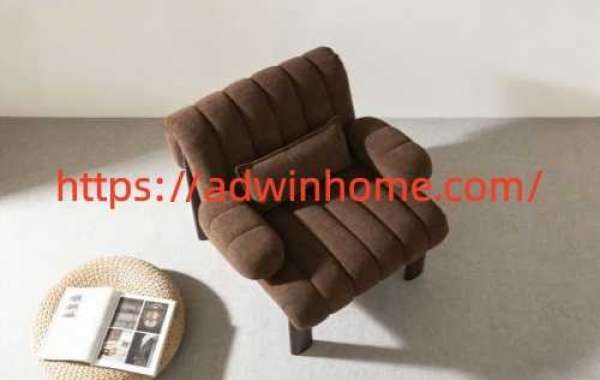
Coco Armchair upholstery selection deserves careful consideration when comfort, appearance, and everyday maintenance all matter. The fabric covering influences how a seat feels against the skin, how it looks under different lighting, and how much attention it needs during regular use. For homeowners and furniture buyers, the right material depends on household routines, interior preferences, and the environment in which the furniture will be placed. Comparing these details before ordering can help create a more satisfying furnishing experience.
Polyester is a practical option for many contemporary interiors. Its appearance can range from smooth and understated to softly textured, depending on the yarn and weaving method. Some polyester fabrics are designed to resist fading and everyday wear, while others focus more on softness or decorative appeal. Buyers should check the specifications of the actual fabric rather than assuming that every polyester blend performs in the same way. For busy family spaces, cleaning instructions and abrasion test results are particularly useful.
Cotton blends offer another approach for people who appreciate a natural look and a comfortable surface. Cotton can feel breathable and pleasant to touch, while blended fibres may change the fabric’s strength, shape retention, and maintenance requirements. These materials can suit relaxed living rooms, reading corners, and casual seating areas. However, spills and friction may affect different constructions in different ways. Buyers should ask whether the selected covering requires spot cleaning, professional care, or a specific cleaning solution.
Velvet can bring depth and a soft visual character to an interior. Its surface reflects light differently depending on the direction of the pile, creating subtle changes in colour and appearance. This makes it suitable for spaces where tactile details and decorative impact are important. The pile can, however, show pressure marks or become flattened with repeated contact. A performance velvet may be worth considering for frequently used seating, provided its technical specifications and care instructions match the intended application.
Chenille provides a fuller texture that can make a room feel comfortable and inviting. Its raised yarns create a distinctive surface, with options ranging from subtle patterns to more noticeable visual effects. Buyers should examine the weave closely because loose loops may catch on jewellery, zippers, or pet claws. A denser construction may suit households looking for textured upholstery without excessive surface detail. Regular gentle vacuuming can help remove dust, while prompt attention to spills supports routine maintenance.
For households that value a smooth finish and straightforward cleaning, microfiber or suitable synthetic blends may be worth comparing. The tightly constructed surface of some microfiber materials can make routine dust removal relatively simple. Certain varieties also provide a suede like appearance without using natural suede. Performance depends on the fibre composition, backing, and finishing process, so buyers should review the manufacturer's cleaning guidance and test information before making a decision. Homes with children or pets may benefit from selecting a material specifically designed for frequent use.
Appearance should also be considered alongside practical performance. Neutral shades such as beige, taupe, warm grey, and cream can coordinate with timber furniture, textured rugs, and understated wall colours. Deeper shades can introduce contrast, while patterned fabrics may help conceal some everyday marks. In rooms with strong natural sunlight, ask about colourfastness and consider the position of the furniture near windows. Requesting fabric samples allows buyers to compare colour, texture, and appearance under the lighting conditions found in their own space.
Comfort does not depend on upholstery alone. Cushion density, seat depth, back support, and frame construction also influence the sitting experience. A soft covering may feel pleasant initially, but the underlying padding and support system affect how the seat performs over time. When comparing samples or finished products, buyers should assess the complete design rather than judging fabric in isolation. For wholesale orders, it is also sensible to confirm colour consistency, available specifications, sample approval procedures, and packaging requirements before production begins.
Care instructions deserve a place in every purchasing decision. Loose dust can usually be removed with a vacuum attachment suitable for upholstery, while small spills should be treated according to the fabric manufacturer's recommendations. Avoid soaking the material or applying unapproved cleaning agents, as these may cause colour changes or leave marks. If a household prefers minimal upkeep, choosing a covering with clearly documented cleaning requirements can make routine care easier to plan.
Selecting upholstery is ultimately about matching material characteristics with real living habits. Polyester blends may suit active households, cotton blends offer a relaxed feel, velvet adds visual depth, and chenille introduces texture. Each option has its own considerations, so specifications and samples are valuable tools when comparing alternatives. AdwinHome offers furniture options for contemporary interiors, allowing buyers to consider design and material preferences together. Visit https://adwinhome.com/products/ to review available collections and product details, compare suitable styles, and identify furnishings that align with your preferred look, maintenance expectations, and project requirements.