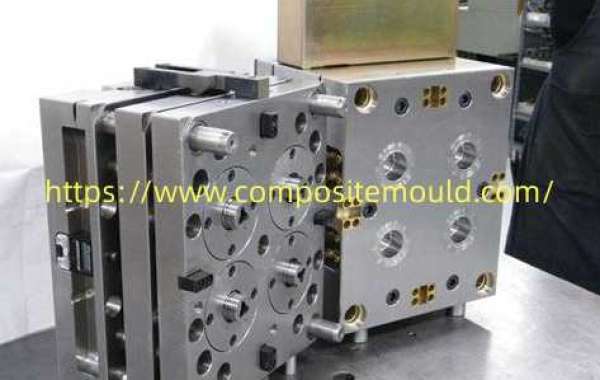
Composite Mould selection starts with understanding the component, its manufacturing process, and the conditions under which it will be produced. Buyers need to consider more than the tool's dimensions or initial quotation. Product geometry, reinforcement type, resin behavior, production equipment, and inspection requirements all affect the tooling plan. Preparing this information before contacting a manufacturer helps purchasing teams communicate their needs clearly and gives engineers a useful basis for reviewing project feasibility.
Prepare the Right Technical Information
A clear project brief helps the manufacturer understand what the finished component must achieve. Buyers should prepare the latest 2D drawings, 3D CAD files, material specifications, expected production volume, and details about the component's operating environment.
Identify the features that affect assembly, structural performance, or appearance. These may include mounting points, openings, curved surfaces, inserts, wall thickness, and critical dimensions. Mark the measurements that require specific tolerances and explain how the component connects to adjacent parts.
If the design is still being developed, identify unresolved details rather than making assumptions. This allows the engineering team to distinguish confirmed requirements from items that need further discussion before tooling begins.
Match the Tool Design to the Manufacturing Process
Different manufacturing methods place different demands on tooling. Compression molding, vacuum bagging, autoclave curing, and resin transfer molding can involve different temperature, pressure, sealing, and material-flow conditions.
Buyers should explain the intended process and provide relevant equipment information. Depending on the application, the manufacturer may need to consider press dimensions, available tonnage, heating arrangements, vacuum connections, or other production interfaces.
The tool structure should support the actual manufacturing method rather than a generic process assumption. Early technical discussions can identify possible conflicts between the part design, available equipment, and production targets while changes are still being evaluated.
Review Material Compatibility
Material selection influences tooling requirements, finished-part behavior, and production conditions. Reinforcement type, resin system, fiber orientation, curing characteristics, and expected shrinkage can all affect the engineering assessment.
Provide the material grade and technical data sheet when available. If several materials are being considered, explain which options remain open and ask the manufacturer to identify relevant design implications.
Tool materials and surface treatments should also be selected according to the intended operating environment, expected production volume, and maintenance plan. Buyers should avoid assuming that a material suitable for one process will automatically suit another. The final selection should be based on the actual technical requirements and engineering review.
Examine Surface Finish and Dimensional Control
Surface requirements should be defined before manufacturing rather than left to subjective approval at the end. Buyers should specify visible surfaces, texture expectations, polishing requirements, coating needs, and any areas that will receive further finishing after molding.
Dimensional control requires similar clarity. Identify critical measurements, reference points, tolerances, and the inspection method used to verify them. If a component must fit another assembly, explain the required relationship between the mating features.
It is also useful to agree on how samples will be measured and recorded. A written inspection plan gives both parties a common reference when evaluating trial parts and deciding whether adjustments are needed.
Ask How Trial Production Will Be Evaluated
Trial production provides an opportunity to check whether the tool and manufacturing process meet the agreed requirements. Buyers should ask about sample quantities, process conditions, dimensional inspection, appearance review, and the records supplied after testing.
Depending on the component, inspection may cover warpage, surface defects, dimensional variation, insert positioning, or assembly fit. The specific checks should reflect the part's function and the manufacturing process.
Before trials begin, establish acceptance criteria and define who will review the results. If a sample does not meet the agreed requirements, document the issue and decide how the proposed correction will be verified. This creates a traceable process for managing design changes and sample approval.
Compare Quotations by Scope, Not Price Alone
Tooling quotations may cover different combinations of engineering, machining, finishing, testing, documentation, and delivery. Buyers should compare the included work carefully before choosing a proposal.
Ask whether the price covers design review, trial samples, inspection reports, spare parts, packaging, and transportation. Confirm the payment schedule, estimated production timeline, and procedures for approving changes that affect cost or delivery.
Expected production volume is another important factor. A tool intended for limited prototype work may require a different design approach from one planned for repeated production over several years. Explain the expected demand so the manufacturer can evaluate the project requirements and discuss suitable tooling arrangements.
Plan Maintenance and Future Modifications
A tooling project does not end when the initial samples are approved. Cleaning, inspection, storage, wear monitoring, and repair arrangements can affect long-term production planning.
Buyers should ask for applicable maintenance guidance and clarify which replacement components or repair services may be available. It is also useful to discuss what happens if the product drawing changes after the tool has been completed.
Request relevant handover documents, such as approved drawings, component lists, inspection records, and maintenance instructions where applicable. Keeping these records organized helps purchasing and production teams coordinate future orders, servicing, and design revisions.
Establish a Clear Working Process with the Manufacturer
Good project coordination depends on clear responsibilities and timely technical communication. Before ordering, confirm who will approve drawings, answer engineering questions, review trial results, and authorize final acceptance.
When contacting compositemould, prepare a project brief with the product drawings, material information, manufacturing process, expected quantity, critical dimensions, and target delivery schedule. Explain which requirements are fixed and which may be discussed during engineering review.This information gives the manufacturer a clearer picture of the project and helps the parties establish the work scope before production begins. To discuss custom tooling requirements and review available product options, visit https://www.compositemould.com/product/ and provide the relevant drawings and project details for further communication.