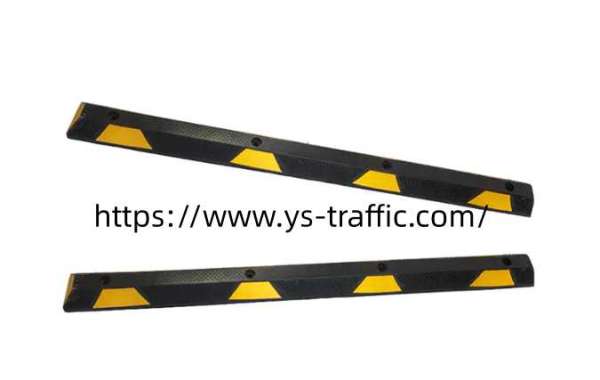
Shared roads and private access routes often bring vehicles close to pedestrians, buildings, parked cars, and active work areas. Managing these interactions requires a combination of clear rules, visible guidance, and suitable physical features. A Speed Hump can help encourage drivers to travel more cautiously by introducing a raised section across a roadway where reduced speed is appropriate. Its effectiveness depends on the installation environment, construction materials, visibility, and the way it fits into the surrounding traffic plan. Evaluating these elements allows organizations to make informed decisions based on site needs rather than treating traffic calming equipment as a universal solution.
Material selection affects how a traffic calming product responds to repeated vehicle contact and outdoor exposure. Rubber is widely used for many traffic safety products because it provides resilience and can accommodate routine contact with tires when correctly selected and installed. Some products use recycled rubber, offering a potential way to incorporate recovered material into practical infrastructure. Other constructions may use engineered polymers or composite materials, depending on the intended application. Buyers should consider exposure to rain, sunlight, dust, temperature changes, and cleaning practices. Material suitability should be assessed alongside the quality of the finished product and the conditions of the installation site.
The way a product is manufactured can influence its consistency and serviceability. An even surface, well-formed edges, and a stable underside can support proper placement and make routine inspection easier. Products intended for outdoor use should be evaluated for their ability to withstand environmental exposure and repeated contact. Buyers can examine samples for visible defects, irregular surfaces, or poorly finished connection points. They may also ask suppliers about material sourcing, production inspection, and recommended maintenance. These questions provide useful context when comparing alternatives and help procurement teams establish expectations for quality across future orders.
Choosing a suitable product starts with understanding the traffic pattern at the intended location. Residential communities may want to encourage slower driving near walking routes, while commercial properties may focus on vehicle movement around parking entrances and pedestrian access points. Warehouses and industrial sites may have different requirements because vehicles, service equipment, and staff share operational space. Buyers should consider the types of vehicles using the route, the condition of the pavement, drainage, visibility, and nearby access points. They should also check local regulations and relevant installation guidance before deciding where traffic calming features can be used safely.
From a functional perspective, a raised roadway feature changes the driving surface and encourages motorists to adjust their approach. Its shape, placement, and visual presentation influence how drivers recognize and respond to the change. Clear advance warning and appropriate positioning can help make the intended traffic behavior easier to understand. Nevertheless, physical traffic calming is only one part of a coordinated safety strategy. Signs, road markings, lighting, pedestrian routes, and sensible traffic circulation all contribute to how people move through an area. Poor placement may interfere with site operations, so the surrounding layout should be considered before installation.
Technical construction affects how the product interacts with the roadway. The profile must be appropriate for the intended location and compatible with the guidance provided by the manufacturer and relevant authorities. Modular designs can offer flexibility when a site requires a particular layout, while suitable joining features may help adjacent sections remain aligned after installation. Secure attachment is important because unwanted movement can affect usability and create maintenance concerns. Buyers should also consider how the product interacts with drainage and whether it leaves appropriate access for service vehicles and emergency response. These factors should be reviewed as part of the installation plan.
The user experience extends beyond drivers to pedestrians, maintenance workers, and property managers. Drivers need clear visual information and enough opportunity to respond to changes in the roadway. Pedestrians benefit when crossings and walking routes remain easy to recognize and unobstructed. Maintenance teams need to inspect the installation for wear, loose fittings, surface deterioration, or surrounding pavement damage. A product that is straightforward to clean and check can fit more easily into regular site maintenance. Property managers should also consider whether the installation will complicate snow removal, sweeping, drainage maintenance, or other routine tasks.
Visual design can make traffic calming equipment easier to recognize and integrate into a wider site layout. Contrasting colors and reflective details may improve visibility in locations where lighting changes throughout the day. A consistent appearance across a property can also help communicate that vehicle movement is being managed deliberately. However, appearance should support the function rather than determine product choice by itself. Color, surface finish, shape, and placement should reflect the road environment, visibility requirements, and needs of different road users. Proper signs and markings can reinforce recognition and help establish predictable driver behavior.
For organizations sourcing road safety and traffic management products, supplier communication can help translate site conditions into practical purchasing criteria. Tiantai Yongsheng Traffic Facilities Co., Ltd. provides a point of contact for businesses and property managers exploring traffic facilities and related safety products. Buyers can discuss their intended installation area, vehicle movements, pavement conditions, visibility needs, and maintenance practices when evaluating available options. This exchange can help clarify product suitability and identify the information required before purchase. To explore the company's product range and learn more about its offerings, visit https://www.ys-traffic.com/ and contact the company to discuss your site requirements.