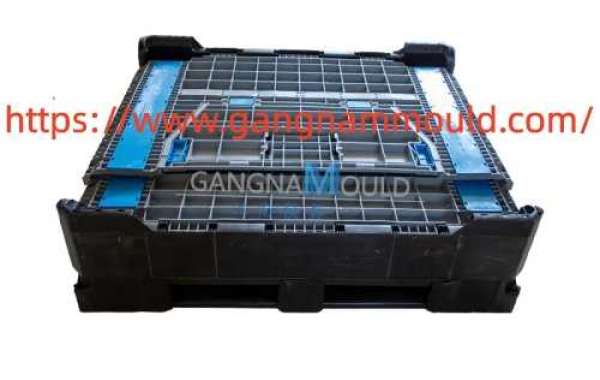
Logistic Pallet Mould selection begins with a clear understanding of the finished product, its working environment, and the production goals behind the project. Before confirming an order, buyers should evaluate dimensions, load requirements, raw materials, machine compatibility, tooling construction, and supplier support. Taking time to review these details can help businesses avoid unexpected adjustments, manage project budgets, and prepare for a smoother transition into manufacturing.
The first step is to define the intended application. A platform used for warehouse storage may have different structural requirements from one designed for export shipping, automated handling, or repeated outdoor use. Buyers should identify the expected static load, dynamic load, and racking conditions where relevant. Forklift entry points, stacking arrangements, surface patterns, and dimensional requirements should also be documented. Sharing this information early gives the engineering team a practical basis for evaluating the product structure and proposing a suitable manufacturing approach.
Dimensions and drawings deserve careful attention before a quotation is finalized. Buyers should prepare accurate two dimensional drawings and three dimensional files whenever possible, including critical measurements, tolerances, connection details, and surface requirements. If a sample is available, it can provide useful reference information, but it should not replace confirmed specifications. Any unclear measurements should be discussed before manufacturing begins. Agreeing on the design scope early can reduce the likelihood of costly revisions after machining has started.
Material selection is another important discussion point. Common thermoplastics such as high density polyethylene and polypropylene have different stiffness, impact resistance, shrinkage, and processing characteristics. The right option depends on the expected service conditions, required durability, product weight, and budget. Buyers should communicate whether recycled content is planned and whether any specific material grade is required. These decisions can influence cavity dimensions, filling behavior, cooling requirements, and the settings used during trial production. A supplier should understand the intended application before recommending a material related design approach.
Production capacity should be reviewed alongside the product specifications. Expected annual volume, target cycle time, and future demand can influence the choice of tooling steel, cavity configuration, and runner system. Buyers should also confirm that the proposed tool can operate with the injection machine available at their facility. Important checks include clamping force, injection capacity, tie bar spacing, platen dimensions, and tool height. Confirming these details before the order is placed helps reduce the risk of receiving equipment that requires unexpected machine changes or additional investment.
Cooling and ejection arrangements also deserve attention. Large plastic components often contain broad surfaces, support ribs, and sections with different thicknesses. If heat is removed unevenly, shrinkage differences may contribute to warpage or dimensional variation. A suitable cooling layout should reflect the actual geometry rather than rely on a generic arrangement. Ejection points must also be positioned with care to help remove the finished component without unnecessary deformation. Buyers can ask for design drawings and an explanation of how these systems will be reviewed during testing.
Supplier evaluation should go beyond the initial quotation. Buyers can ask about design for manufacturability reviews, machining equipment, assembly procedures, trial production, inspection records, and technical assistance after delivery. It is also helpful to clarify which services are included in the quoted price. Steel specifications, spare parts, surface treatment, trial samples, shipping arrangements, and documentation may affect the final project cost. When comparing proposals, businesses should check that each supplier is quoting against the same requirements rather than comparing prices with different technical assumptions.
A clear acceptance plan can prevent disagreements later. Before production starts, both parties should agree on the dimensions to inspect, the measurement methods, the sample approval process, and any required performance tests. Buyers should also ask how design changes will be documented and approved. During trial production, sample parts can be checked for dimensional accuracy, surface appearance, warpage, and assembly compatibility. Recording findings and resolving agreed issues before shipment helps establish a clearer handover process for the manufacturing team.
Communication remains essential throughout the project. Buyers should appoint a contact person who can coordinate drawings, technical questions, approvals, and schedule updates. Regular design reviews allow concerns to be addressed before they affect machining or delivery plans. Gangnammould supports businesses seeking custom tooling solutions by providing a starting point for discussing product requirements, manufacturing considerations, and project specifications. Companies planning a new handling product can visit https://www.gangnammould.com/product/ to review available product information and discuss their project needs with the supplier. With clear specifications, careful technical evaluation, and agreed acceptance criteria, buyers can make more informed purchasing decisions and prepare their projects for production.