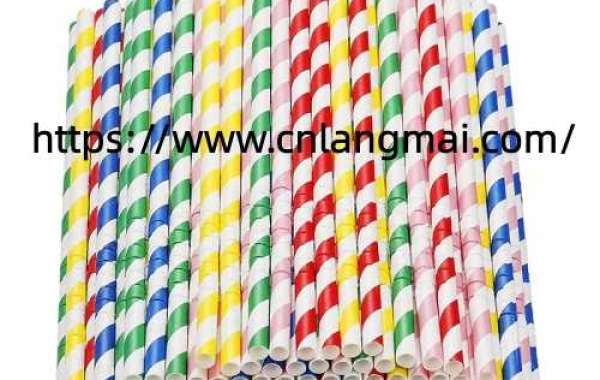
Bendable Paper Straws offer beverage businesses a practical option when packaging needs to accommodate different drinking positions and serving environments. For juice manufacturers, dairy brands, cafes, and foodservice distributors, selecting the right product involves more than comparing prices. Dimensions, flexibility, material construction, moisture resistance, packaging arrangements, and customization options all deserve attention before a purchase is confirmed. A well planned selection process helps buyers match product specifications with their intended applications and customer expectations.
One important factor is the bending structure. The flexible section should allow the tube to change angle without making drinking uncomfortable or causing the structure to collapse during ordinary handling. Buyers should ask manufacturers how the joint is formed and whether samples can be evaluated under realistic conditions. Checking the flexibility before ordering helps purchasing teams understand whether the product suits their intended serving environment.
Dimensions are equally important. The required length depends on cup height, carton design, and the way the accessory will be attached to the package. Diameter affects liquid flow and should be selected according to the beverage type. A product intended for a small juice carton may have different specifications from one used with a larger takeaway cup. Providing the manufacturer with packaging measurements can help narrow the available options.
Material construction should also be reviewed carefully. Buyers can ask about the paper grade, number of layers, bonding method, and moisture resistance. These characteristics influence how the product behaves when exposed to liquid. Rather than relying on general descriptions, purchasing teams should request technical information and test samples with the intended beverage.
Testing should reflect actual usage. For example, a product used with chilled juice may experience different conditions from one intended for a milk based drink. Buyers can check whether the tube maintains its shape, whether the joint remains functional, and whether the material shows signs of separation during the expected drinking period. These observations provide useful information before larger quantities are ordered.
Packaging compatibility is another consideration for beverage manufacturers. Some products are attached directly to individual cartons, while others are supplied separately for use in cafes, restaurants, and catering operations. Buyers should confirm the attachment method, individual wrapping requirements, and outer carton arrangement before production begins. For automated packaging lines, it is also important to check whether the product dimensions and feeding format match the equipment.
Customization can help businesses maintain a consistent visual identity. Depending on the available manufacturing options, buyers may request specific colors, printed wrappers, or customized dimensions. Before submitting artwork, they should prepare clear design files and confirm printing requirements with the supplier. Reviewing a sample or production proof allows the purchasing team to assess color consistency, placement, and overall appearance before approving the final order.
Langmai can be considered by businesses seeking a manufacturing partner for customized beverage packaging accessories. When discussing a project, buyers should provide the intended application, required dimensions, estimated quantity, preferred packaging method, and any special design requirements. This information helps establish a clear starting point for reviewing product options and preparing a quotation.
Order planning also deserves attention. Minimum order quantities, sample costs, production schedules, and shipping arrangements can affect purchasing decisions. Businesses introducing a new beverage product may want to test samples before committing to a large production run. Distributors managing regular inventory may prefer to establish repeat ordering arrangements based on expected demand and storage capacity.
Supplier communication should continue throughout the purchasing process. Buyers should confirm which specifications are available as standard options and which require customization. It is useful to document the approved dimensions, material requirements, artwork, packing quantities, and inspection criteria. Keeping these details on record can make repeat orders easier to coordinate and reduce the risk of differences between batches.
Food contact documentation is another point worth checking. Depending on the destination market, importers may need relevant declarations, test reports, or other supporting records. Any environmental or safety claims should be consistent with the available documentation and applicable requirements. Asking these questions before production helps buyers prepare for internal reviews and customer inquiries.
Choosing a suitable product ultimately requires balancing functionality, packaging compatibility, appearance, and purchasing arrangements. A clear specification and a practical sample review can help beverage businesses make informed decisions without relying on promotional claims alone. For companies planning new packaging projects or looking for customized beverage accessories, Langmai provides a starting point for supplier discussions. Visit https://www.cnlangmai.com/product/ to review the available product range and consider options that align with your packaging format, customization plans, and business requirements.