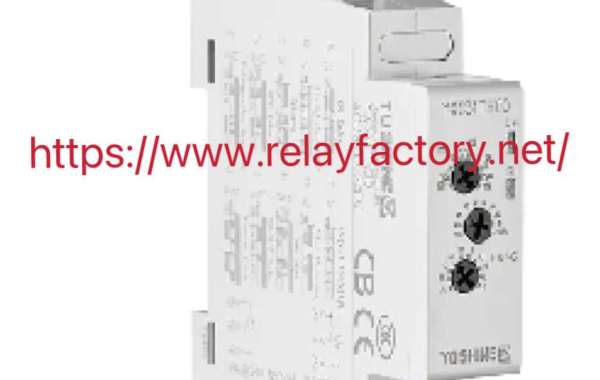
Multifunction Time Relay Manufacturer selection should begin with the actual requirements of the equipment and purchasing project. Buyers should review operating modes, supply voltage, timing range, output configuration, mounting method, load conditions, environmental requirements, customization capability, testing procedures, and technical documentation. A structured evaluation can help purchasing and engineering teams compare suppliers according to practical project requirements instead of relying only on product appearance or price.
Start With the Application
The first step is to define how the component will be used. Industrial machinery, lighting systems, pumps, HVAC equipment, generators, and automated production equipment can require different control sequences.
Buyers should describe what happens when an input signal is received, when the output should change, how long the delay should continue, and what should happen after the cycle.
This information gives the supplier a clearer picture of the application. For OEM projects, an electrical schematic or control diagram can provide even more useful information.
A clear application description also makes it easier to determine which operating modes are relevant to the project.
Check the Available Functions
Different machines can require different timing operations. Depending on the application, buyers may need on-delay, off-delay, interval, cyclic, pulse, or trigger-related functions.
A device offering several selectable modes may be useful when one product needs to support different control sequences. However, buyers should focus on the actual functions required rather than simply counting the available options.
The YX531T model listed by relayfactory provides ten selectable functions, including on-delay, repeat cycle, interval, pulse, one-shot, and other operating modes.
Buyers should review the functional descriptions and timing diagrams to determine whether the available modes correspond with their equipment.
Confirm Electrical Requirements
Supply voltage is one of the first specifications that should be confirmed. Buyers should identify whether the control circuit uses AC or DC and provide the required voltage.
The output side also needs attention. Contact arrangement, current rating, and load type can influence whether a configuration is suitable for the target circuit.
The YX531T specification lists SPDT output, silver alloy contacts, and 10A/16A current ratings, while its input options include several single-voltage and wide-voltage configurations.
Providing these details during the inquiry stage can help reduce unnecessary specification changes later.
Review the Timing Range
The required delay range should be described using actual values. Buyers can provide the minimum and maximum settings required by the equipment.
The adjustment method should also be considered. Depending on the control panel, users may need rotary adjustment, selector settings, or another configuration method.
For a replacement project, photographs of the existing product can be useful. Labels, wiring diagrams, dimensions, and technical specifications can give the supplier references for the proposed replacement.
For new equipment, buyers can provide the machine cycle and control sequence so the required range can be evaluated more accurately.
Examine Output Compatibility
The output arrangement should correspond with the electrical circuit. Buyers may need normally open contacts, normally closed contacts, changeover contacts, or multiple output arrangements.
The connected load is also important. Motors, pumps, lamps, heaters, solenoids, and contactor coils can have different electrical characteristics.
A wiring diagram can help both sides understand how the input, output, power supply, and connected equipment should interact.
Before approving a bulk order, buyers should compare the proposed wiring information with their own electrical schematic.
Consider Installation Requirements
A suitable electrical specification still needs to fit the physical installation. Buyers should check dimensions, mounting method, terminal location, wiring access, and available cabinet space.
Rail mounting can be useful for certain control panels and automation systems. The YX531T model uses a rail-type installation design, giving buyers a specific format to consider during panel planning.
For replacement applications, buyers can provide the dimensions of the existing unit. For new equipment, cabinet drawings can help the supplier understand the available installation space.
Evaluate Working Conditions
Environmental conditions should be included in the purchasing discussion. Temperature, humidity, vibration, dust, switching frequency, and installation location may all affect product selection.
Buyers should provide realistic working conditions rather than simply describing an application as indoor or outdoor.
The technical data for the YX531T model specifies an operating range of -20 C to +55 C and a storage range of -30 C to +70 C. Buyers should confirm the applicable specifications for the exact configuration being considered.
This information can help engineering teams determine whether a proposed configuration fits the equipment environment.
Ask About OEM Customization
OEM projects often have requirements that differ from standard catalog configurations. These may involve voltage, timing functions, contact arrangements, dimensions, mounting structures, terminal positions, labels, or packaging.
Buyers should ask which parameters can be customized and which changes require engineering evaluation.
A useful specification sheet can include application details, voltage, load type, timing range, output arrangement, dimensions, mounting method, environmental conditions, quantity, and packaging.
relayfactory states that OEM service is offered according to customer requirements. This can be relevant for equipment manufacturers that need a particular configuration for their own control system.
Review Samples Before Production
A sample gives buyers an opportunity to check practical compatibility before a larger order. The evaluation can include dimensions, terminal arrangement, adjustment method, wiring, mounting, and operating behavior.
For OEM projects, an approved sample can also serve as a reference for subsequent production.
Buyers should clarify whether the sample represents the final production configuration and should record any approved changes before confirming the order.
Check Testing and Documentation
Technical documentation can support installation and maintenance. Buyers may request specifications, wiring diagrams, dimensions, operating instructions, and applicable certification information.
Testing requirements should also be discussed before production. Depending on the project, this may include functional checks, electrical testing, timing verification, visual inspection, or other agreed procedures.
The product information published by the supplier includes certification references such as CE documentation and RoHS information. Buyers should confirm which documents apply to the specific model and target market.
Consider Production Capability
For distributors and equipment manufacturers, production capability can influence repeat purchasing plans. Buyers should discuss expected quantities, production schedules, configuration consistency, and future order requirements.
The company information published on the website states that its manufacturing plant covers 12,000 square meters and reports monthly production capacity above 100,000 pieces.
Buyers should still confirm their specific quantity and schedule with the supplier because requirements can differ between projects.
Pay Attention to Communication
Technical communication can affect the purchasing process as much as the product specification itself. Buyers should ensure that application requirements, drawings, samples, packaging details, and approved specifications are clearly recorded.
If a requirement changes after approval, the updated information should be confirmed before production begins.
This is particularly important for international OEM projects, where purchasing, engineering, production, and quality teams may all work from the same product information.
Plan for Future Orders
A supplier evaluation should also consider repeat purchasing. Distributors may need regular stock, while equipment manufacturers may require the same configuration across multiple production batches.
Keeping approved drawings, samples, specifications, packaging details, and testing requirements can make future orders easier to coordinate.
A practical selection process therefore starts with the application and continues through operating functions, electrical specifications, timing range, output configuration, installation, environmental conditions, customization, samples, testing, production capability, and communication. relayfactory provides timing control products for applications including industrial machinery, lighting, HVAC systems, pump control, generator control, and other equipment. Buyers looking for product specifications, OEM cooperation, or customized control solutions can visit https://www.relayfactory.net/