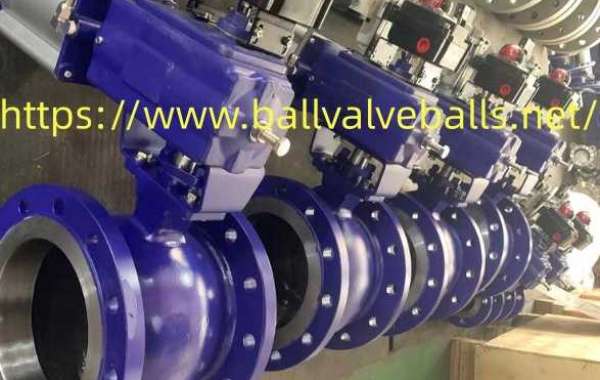
Hard Seal Ball purchasing requires buyers to evaluate product specifications, operating conditions, manufacturing capabilities, and order documentation before confirming a transaction. A component that looks suitable may still differ from the requirements of a particular valve assembly. By preparing clear technical information and agreeing on inspection criteria in advance, purchasing teams can communicate more effectively with manufacturers and reduce avoidable confusion during production, delivery, and incoming inspection.
Define the Purpose of the Purchase
Start by identifying whether the order is intended for new equipment production, replacement maintenance, or a customized engineering project. Each situation may involve different documentation, compatibility, and delivery requirements.
For replacement parts, collect the original component number, valve model, available drawings, and relevant measurements. If the original design has been modified, record those changes rather than assuming the existing documentation remains accurate.
For new projects, provide the assembly drawing and identify the component interfaces that must match other parts. Explain whether the order follows an established design or requires engineering discussion before production. This background helps the manufacturer understand the purpose of the inquiry and identify information that may be missing.
Buyers should also estimate the required quantity and expected purchasing frequency. These details can affect production planning, tooling arrangements, sampling, and quotation structure.
Specify Materials and Operating Conditions
Material requirements should be connected to the actual service environment. Buyers should provide details about the working medium, temperature range, operating pressure, and exposure to corrosive substances or solid particles.
Different engineering materials have different mechanical and chemical characteristics. The selection process should consider these properties alongside the valve design, mating seat, and intended operating conditions. A material suitable for one application may require further evaluation before being used in another.
Surface treatment should be specified separately where applicable. Depending on the design, a component may require a particular coating, surface finish, or hardness range. Buyers should ask the manufacturer to confirm the proposed process and identify any relevant acceptance criteria.
If the project requires material traceability, state this in the inquiry. Confirm whether material certificates, batch identification, or other supporting records can be supplied with the finished goods. Agreeing on these details before production makes the purchasing requirements easier to verify.
Examine Drawings and Dimensional Requirements
Technical drawings provide the basis for manufacturing and inspection. Before submitting an order, check that the drawing identifies critical dimensions, tolerances, relevant geometric features, and the required surface condition.
For components with precision interfaces, nominal diameter alone may not adequately define the part. Roundness, bore dimensions, surface roughness, and the relationship between mating surfaces may also require consideration, depending on the design.
Clearly distinguish critical dimensions from reference measurements. This helps the manufacturer allocate inspection resources appropriately and allows both parties to understand which results determine acceptance.
Drawing revision control is equally important. Include the current revision number in the inquiry and order documentation. If a manufacturer suggests a design adjustment, request an updated drawing and written approval before the change is introduced into production.
For customized orders, a drawing review meeting or written technical confirmation can help resolve uncertainties before machining begins.
Establish a Practical Quality Inspection Plan
Buyers should decide what evidence they need to confirm that the delivered components meet the agreed specifications. Depending on the project, the inspection plan may include dimensional measurements, visual checks, surface treatment verification, hardness testing, or additional examinations.
Ask the manufacturer which checks are performed during production and which are completed before shipment. Request sample inspection records when they are available so your team can understand the reporting format and measurement details.
Sample approval may be appropriate when the geometry is customized or the component must fit an existing assembly. Before approving a sample, agree on the evaluation method, required measurements, and acceptance limits. Clarify whether sample approval covers dimensional conformity only or also includes functional evaluation within the valve assembly.
If a deviation occurs, establish how it will be reported and reviewed. Written communication helps prevent an unapproved change from being treated as an accepted specification.
Assess Production Capability and Order Flexibility
A manufacturer's suitability depends on whether its production processes match the project requirements. Buyers can ask about machining equipment, finishing operations, available inspection methods, and experience with comparable component designs.
For customized projects, clarify whether the supplier can manufacture according to customer drawings or approved physical samples. Discuss how tooling costs are calculated, how design changes are managed, and whether production records can support repeat orders.
Lead time should be evaluated alongside production scope. Ask whether the quoted schedule includes material preparation, machining, surface treatment, inspection, and packing. If any external process is involved, confirm how it affects the planned completion date.
When comparing quotations, ensure that all suppliers are pricing the same material grade, dimensions, surface treatment, inspection requirements, and quantity. A clear comparison prevents differences in quotation scope from being mistaken for differences in manufacturing value.
Verify Commercial Terms and Shipment Preparation
Commercial details deserve the same attention as technical specifications. Confirm the unit price, order quantity, minimum order requirements, tooling charges, payment terms, production schedule, and applicable delivery conditions.
Packaging should be suitable for the component's geometry and surface finish. Protective wrapping and separation materials may help prevent contact damage during storage and transportation. For export shipments, agree on carton markings, packing lists, destination information, and any required commercial documents.
Before authorizing dispatch, check the final order confirmation against the approved quotation and drawing. Make sure the specification, quantity, documentation, packaging, and delivery schedule are consistent. This final review provides a clear record for purchasing, receiving inspection, and future reorder planning.For businesses seeking customized valve components, ballvalveballs can help initiate discussions about drawings, material options, surface treatments, and inspection requirements. Visit https://www.ballvalveballs.net/ to review product information and contact the company with your application details, technical drawings, order quantity, and expected delivery date. Sharing these requirements early gives the manufacturer a practical basis for reviewing the request and preparing a quotation aligned with your project needs.