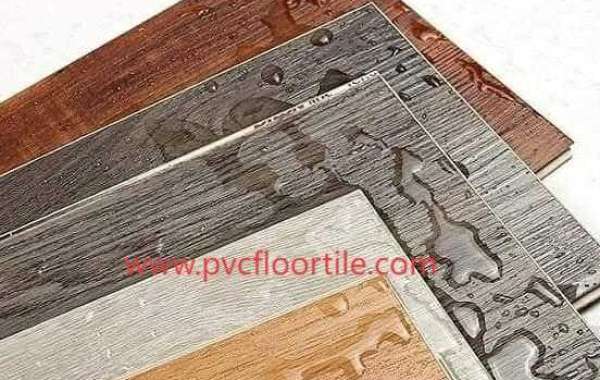
SPC Flooring Factory operations involve several connected stages that prepare an order for delivery to overseas customers. For importers, wholesalers, distributors, and project contractors, understanding these steps can help clarify production schedules, product requirements, inspection procedures, and shipping arrangements. From reviewing specifications to checking packed cartons, each stage requires clear communication between the buyer and manufacturer.
Confirming Product Specifications
The process begins with a review of the purchase order. The manufacturer confirms the product dimensions, total thickness, wear layer, surface texture, color, edge profile, and locking system. Buyers should also specify whether the selected product requires an attached underlay or other optional features.
Packaging details need confirmation before production planning is finalized. These may include the number of planks per carton, carton artwork, barcode information, product labels, and pallet requirements. For private-label orders, the buyer should provide approved logos and packaging files in the required format.
A physical sample can serve as a reference for color, texture, and appearance. Buyers should check the sample carefully and approve the relevant details in writing. This provides the production team with a clear reference and helps avoid confusion when the order enters manufacturing.
Organizing Materials and Production
After specifications are confirmed, the manufacturer checks material availability and prepares a production schedule. Depending on the selected product construction, materials may include the rigid core, decorative film, protective surface layer, and backing components.
The schedule can vary according to order quantity, product customization, and material supply. Custom colors, special surface designs, or printed packaging may require additional preparation. Buyers should request an estimated timeline and confirm whether any sample, artwork, or specification approval remains outstanding.
Changes made after approval may affect production planning. If a buyer adjusts the color, dimensions, quantity, or carton design, the supplier should review the change and explain any potential effect on timing. Confirming details early helps both parties coordinate their responsibilities.
Monitoring Manufacturing Stages
During manufacturing, the production team processes the core material and combines it with the specified decorative and protective layers. Depending on the production setup, the process may include cooling, surface finishing, cutting, and edge profiling.
These operations contribute to the finished plank's dimensions, appearance, and installation characteristics. Accurate cutting helps maintain consistent sizing, while suitable edge processing supports the intended locking system. The surface treatment should also follow the approved product design.
Routine process checks can help identify visible defects or dimensional variations while production is underway. If a concern appears, the team can assess the affected material and decide whether adjustments or further checks are required.
Buyers placing large or customized orders can ask how manufacturing progress is monitored and what inspection records may be provided. Regular updates also help project teams coordinate product delivery with installation schedules.
Inspecting Finished Products
Before packing, finished planks should be checked against the agreed specifications. Inspection procedures may vary according to the product configuration, order size, and acceptance criteria established by the buyer and supplier.
Common checkpoints include:
Plank length, width, and thickness
Surface color, texture, and visible appearance
Edge condition and locking profile
Scratches, chips, or other visible damage
Attached underlay, where applicable
Product codes and batch identification
A sample assembly can help assess how planks fit together. Comparing finished products with an approved reference sample may also reveal noticeable differences in color or texture.
For bulk purchases, buyers can discuss a sampling plan or arrange a pre-shipment inspection. The inspection scope and acceptance criteria should be agreed upon before manufacturing is completed, so both parties understand how the finished goods will be evaluated.
Preparing Cartons and Pallets
Packaging helps protect the products during storage, handling, and transportation. The packing team checks carton condition, product quantities, labels, and packing instructions before the goods are arranged for shipment.
Carton labels may contain the product style, color code, dimensions, barcode, batch number, and coverage per carton. Clear identification helps distributors manage inventory and makes it easier for warehouse teams to separate different designs after delivery.
Pallet arrangement and protective wrapping should suit the intended shipping method. Buyers with special labeling, private-label artwork, or pallet requirements should confirm these details before packing starts. The final packed quantity should also match the purchase order and packing list.
Coordinating Shipping and Documentation
Once packing is complete, the supplier coordinates dispatch arrangements and prepares the required shipping information. Depending on the destination and agreed trade terms, documents may include a commercial invoice, packing list, shipping instructions, and relevant product documentation.
Buyers should verify the consignee details, product descriptions, carton counts, and quantities before the documents are finalized. Photographs of packed cartons or container loading can also help maintain purchasing records and prepare the receiving warehouse.
Communication between the buyer, manufacturer, freight forwarder, and warehouse is important when coordinating shipment dates and responsibilities. Confirming documentation requirements in advance can reduce avoidable delays and support a more organized delivery process.For businesses sourcing rigid-core vinyl products, a clear purchasing process starts with detailed specifications and continues through inspection, packaging, and shipment coordination. pvcfloortile provides product options for buyers evaluating surface designs, product configurations, and packaging requirements for different projects. Visit https://www.pvcfloortile.com/product/ to review available styles and identify options for your next wholesale order or commercial installation.