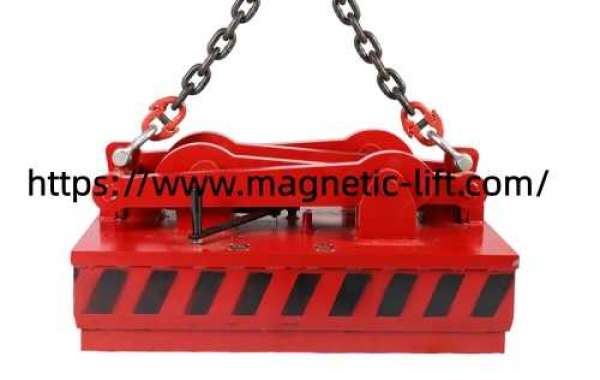
Permanent Magnet Lifting Device selection is an important consideration for businesses that regularly move steel plates, metal blocks, and other compatible workpieces. Purchasing teams need to assess more than the stated lifting capacity when comparing equipment for manufacturing, warehousing, and metal processing operations. Material characteristics, workpiece geometry, workshop conditions, and operator procedures all influence whether a particular solution fits the intended task. For manufacturers and distributors, understanding these details can make product evaluation more practical and help reduce uncertainty during purchasing.
One useful starting point is to identify the materials that will be handled. Magnetic lifting equipment is designed for suitable ferromagnetic materials, but not every metal responds to magnetic force in the same way. Many carbon steel components are appropriate for this type of application, while aluminum, copper, and some stainless steel grades may not be compatible with conventional magnetic devices. Buyers should provide the material grade and representative workpiece details when requesting product recommendations. This allows the supplier to assess suitability before a model is selected.
Workpiece shape deserves similar attention. A flat steel plate may provide a different contact condition from a curved component, narrow bar, or irregular casting. The effective contact area between the device and the material influences the available holding force. Gaps caused by surface unevenness, coatings, rust, scale, or contamination can affect performance. Buyers should consider the actual condition of their materials instead of relying only on nominal dimensions. When workpieces vary considerably, sharing several representative examples with the manufacturer can support a more informed evaluation.
Rated capacity is another key specification. Buyers should check the capacity stated on the product documentation and understand the conditions under which it applies. Material thickness, surface condition, load geometry, and the direction of lifting can affect practical suitability. A device intended for a particular plate thickness may not perform as expected with a thinner workpiece or a component that offers limited contact. The weight of the load must also remain within the equipment rating. For applications involving long steel sections or unevenly distributed weight, the overall lifting arrangement should be assessed carefully.
The operating mechanism can influence convenience and workflow. Depending on the design, magnetic equipment may use a manual lever or another mechanical arrangement to engage and release the magnetic circuit. Since permanent magnetic models do not generally require a continuous electrical supply to maintain their magnetic holding force, they can be useful in work areas where a power connection is inconvenient. Buyers should nevertheless confirm the operating method, handling instructions, and release procedure for the specific model. Operators need sufficient space to access the controls and position the equipment correctly.
Workplace conditions should also guide purchasing decisions. A steel service center may move large plates between storage racks and cutting stations, while a machine shop may transfer smaller components during repeated production cycles. A fabrication facility may need equipment that fits existing hoists, lifting points, and workbench arrangements. These differences affect the dimensions, capacity range, and operating requirements that buyers should discuss with suppliers. Providing details about lifting frequency, available clearance, and the type of supporting machinery helps manufacturers assess whether a proposed configuration suits the application.
Safety planning is essential when introducing any suspended load handling equipment. Buyers should request clear technical documentation covering rated capacity, approved applications, inspection procedures, and operating limitations. Before each use, trained personnel should inspect the equipment and the workpiece contact area according to the manufacturer's instructions. The device must be correctly positioned and engaged before a load is lifted. Loads should be raised and moved in a controlled manner, and personnel must remain clear of suspended materials. No one should stand or walk beneath a suspended load. Damaged equipment should be removed from service until it has been assessed appropriately.
Maintenance requirements are worth discussing before an order is placed. Buyers should ask how to clean and store the equipment, which parts require inspection, and how frequently checks should be carried out under their working conditions. They should also confirm the availability of operating manuals, product specifications, and technical support. For distributors supplying several customers, consistent documentation can make it easier to communicate product limitations and operating procedures. A clear maintenance plan can help businesses monitor equipment condition and identify problems before continued use creates additional risks.
Purchasing teams should also compare quotations using consistent information. Product model, rated capacity, compatible material range, accessories, packaging, delivery terms, and warranty conditions should be clearly stated. A lower initial quotation may not describe the same configuration or service arrangements as another offer, so buyers should check the details before making comparisons. Providing accurate requirements at the quotation stage can help avoid unnecessary changes and make supplier discussions more productive.
For companies seeking magnetic handling equipment for steel processing, warehouse operations, or manufacturing workflows, Kaixin offers product information to support evaluation of available solutions. Buyers can review the company website at https://www.magnetic-lift.com/ and share their material specifications, workpiece dimensions, and operating conditions when discussing a suitable model. Matching these details with the relevant product documentation helps purchasing teams make informed decisions while keeping application suitability and safe operation central to the process.