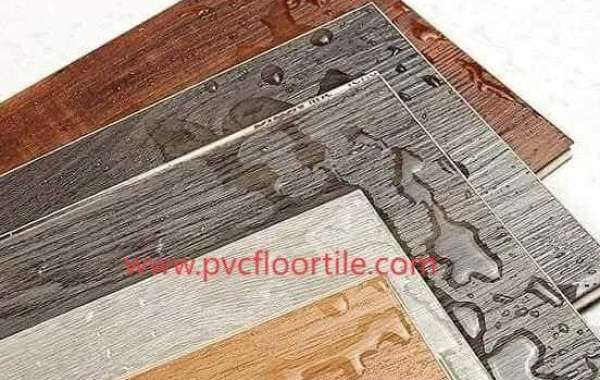
SPC Flooring Factory visits give buyers an opportunity to assess production procedures, product consistency, and order management before committing to a purchase. Importers, distributors, contractors, and wholesalers can use a structured checklist to review specifications, samples, inspection records, packaging, and delivery arrangements. Preparing questions in advance helps make the visit more productive and gives both parties a clear basis for discussing project requirements.
Prepare Product Specifications in Advance
Before visiting a supplier, buyers should define the requirements for their intended project. Important details include plank dimensions, total thickness, wear layer, color, surface texture, edge profile, locking design, and underlay options.
The intended installation environment should also be considered. Residential interiors, rental properties, retail spaces, and commercial projects may have different expectations for appearance, maintenance, and daily use. Share these requirements with the supplier and ask which available designs are suitable for further evaluation.
Request samples and technical documents before the meeting. Comparing these materials with the purchasing specification helps identify missing information and reduces the risk of misunderstandings during order confirmation.
Review Materials and Product Construction
Material handling is an important part of a production assessment. Ask how incoming materials are identified, stored, and checked before use. Clear labels and organized storage can help prevent mix-ups and support batch tracking.
Examine the finished plank structure and compare it with the approved sample. Review the rigid core, decorative layer, protective surface, coating, and backing where applicable. Confirm that the supplied construction matches the details listed in the product specification.
For customized orders, buyers should record the approved color reference, pattern, texture, and edge design. Keeping a physical sample or documented reference provides a practical way to compare later batches and repeat purchases.
Observe Production Procedures
Ask the production team to explain the main processing stages, including material preparation, core formation, surface lamination, cooling, cutting, profile processing, inspection, and packing. The purpose is to understand how work is organized and how product requirements are maintained throughout production.
Buyers can ask about equipment maintenance, operator responsibilities, work instructions, and measurement procedures. It is also useful to understand what happens when a measurement falls outside the specified range and how adjustments are recorded.
The locking profile deserves particular attention because it affects installation. Request a demonstration using planks selected from regular production. Connect several pieces and check the joint fit, edge alignment, and consistency of the assembled surface. This practical check can reveal details that may not be obvious from a single display sample.
Examine Quality Records and Inspection Methods
A supplier assessment should focus on measurable criteria rather than general assurances. Ask which checks are conducted during production and which take place before shipment. Depending on the agreed specifications, these may cover length, width, thickness, squareness, surface appearance, joint fit, and packaging condition.
Request relevant inspection records and check whether they identify the product model, inspection date, production batch, measured results, and acceptance criteria. If the project requires third-party test reports or specific compliance documents, confirm their availability and relevance to the product being ordered.
Buyers should also ask how defective items are separated and how problems are investigated. A documented corrective-action process helps explain how issues are handled and how similar defects may be prevented in later production.
Check Packaging and Shipping Preparation
Packaging protects products during handling, storage, and transportation. Review carton strength, internal protection, printed labels, and pallet arrangements. Product codes, color references, dimensions, and quantities should match the confirmed order details.
Ask how finished goods are identified before loading and how carton quantities are checked against the packing list. When several designs are included in one shipment, clear identification can help reduce the risk of mixing different products.
Discuss the production schedule, inspection arrangements, loading plan, and shipping documents. Confirm who will provide order updates and how changes to delivery dates will be communicated. Written arrangements make responsibilities easier to track throughout the purchasing process.
Establish Clear Communication After the Visit
Good communication helps buyers and suppliers manage details after the initial assessment. Identify the contacts responsible for technical questions, sample approval, order progress, quality records, and shipping documents. Clarify how changes to product specifications or packaging must be approved.
For repeat orders, agree on reference samples and inspection criteria before production begins. Buyers should also ask how batch information is maintained and how product consistency is reviewed over time.After the visit, prepare a written summary of confirmed specifications, reviewed documents, outstanding questions, and agreed follow-up dates. This record gives the purchasing team a consistent basis for evaluating the supplier and planning the next step.Buyers comparing designs and product options can contact pvcfloortile to discuss specifications, samples, and project requirements. Visit https://www.pvcfloortile.com/product/ to review available products and identify options for further evaluation.