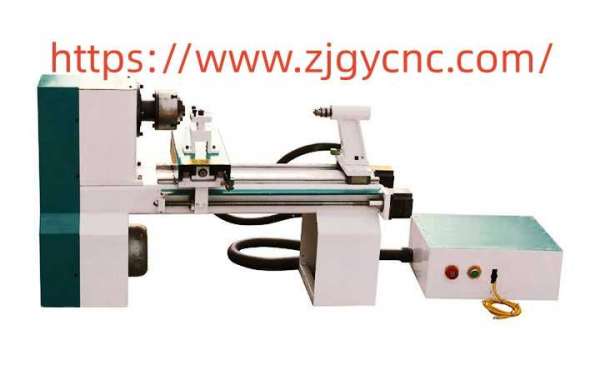
Mini CNC Lathe selection should begin with the components that will actually be produced. Buyers can review part dimensions, materials, machining operations, tolerance requirements, production quantities, workholding methods, tooling needs, workshop space, and operator experience before comparing available configurations. A clear production profile makes communication with a manufacturer easier and helps purchasing teams focus on specifications that directly relate to their work. zjgycnc provides small turning equipment for different machining applications, giving buyers a practical starting point for discussing their requirements.
Start With the Parts You Need to Produce
The component drawing should be one of the first documents prepared during the purchasing process. It can show the outside diameter, overall length, internal features, threads, grooves, shoulders, and other details that affect machining requirements.
Different small components can require very different setups. Shafts may need longer working travel, while bushings or pins may place greater attention on chucking and dimensional consistency. Buyers should therefore provide several representative drawings instead of evaluating equipment from one part alone.
Consider the Material
Material selection can influence cutting conditions, tooling, spindle requirements, and machining time. Aluminum, carbon steel, stainless steel, brass, and other materials can behave differently during turning.
Buyers should tell the manufacturer which materials are used regularly and whether production involves occasional material changes. This information can help determine whether the proposed configuration matches the intended cutting conditions.
Define Every Machining Operation
Before comparing equipment, list the operations required for a complete part. These may include facing, external turning, internal boring, threading, grooving, drilling, or profile machining.
A clear operation list can help determine the required tool positions and working travel. It can also show whether a part can be completed in one setup or whether additional processing will be necessary.
Review the Spindle Configuration
The spindle deserves careful attention because it connects directly with the cutting process. Buyers should compare speed range, motor power, chuck size, spindle bore, and material-handling requirements.
A suitable specification depends on the combination of part diameter, material, cutting tool, feed rate, and desired production cycle. Rather than focusing on a single number, buyers should discuss the complete machining process with the manufacturer.
Check the Working Range
Machine capacity should correspond with the actual component range. Buyers should compare maximum turning diameter, working length, axis travel, and available space for the workholding system.
If a workshop produces several part sizes, it may be useful to identify the smallest and largest representative components before selecting equipment. This provides a clearer picture of the working range needed for everyday production.
Examine the Guideway Arrangement
Guideway construction affects axis movement and can influence machine operation, maintenance routines, and production behavior. Buyers should ask what guideway arrangement is used and how it relates to the intended workload.
It is also useful to review axis travel, rapid movement, screw configuration, and lubrication. These details can provide a better understanding of how the machine is organized internally.
Match Tooling to the Production Process
Tooling requirements should be considered before finalizing the configuration. Buyers can create a simple list showing each operation, the required cutting tool, and the expected tool position.
This approach helps identify whether the proposed arrangement can accommodate the complete process. It can also reduce the need for repeated setup changes when several operations are performed on the same component.
Pay Attention to Workholding
Workholding affects setup procedures and part accessibility. Buyers should determine whether a chuck, collet, hydraulic clamping arrangement, or another solution is appropriate for their components.
For repeated production, setup consistency can be important. For varied orders, quick changeover may deserve greater attention. Sharing drawings and sample components with the manufacturer can make this discussion more specific.
Check the Control System
The control system influences programming, operator training, parameter adjustment, and daily production management. Buyers should consider what type of system their operators already use and whether the proposed configuration fits their workflow.
It is also worth discussing program storage, tool offset management, alarm handling, and operator interface preferences before ordering. These practical details can affect how quickly a new machine becomes part of the existing production process.
Measure the Workshop Before Ordering
Available space should be measured before the equipment is confirmed. Buyers need to consider more than the machine footprint.
Loading areas, operator access, material movement, electrical connections, inspection space, cleaning, and maintenance access should all be included in the workshop plan. A suitable installation layout can make everyday operation more convenient.
Ask About Maintenance Requirements
Maintenance planning should begin before delivery. Buyers can ask about lubrication, routine inspections, consumable components, troubleshooting, and technical support.
It is also useful to clarify how replacement parts are supplied and how technical questions are handled after installation. These details can help the production team prepare an appropriate maintenance schedule.
Discuss Testing Before Purchase
When the application has specific dimensional or surface requirements, buyers can provide drawings, material information, tooling preferences, and sample production details to the manufacturer.
A technical discussion based on real components can reveal configuration requirements that may not be obvious from a general specification sheet. It also gives both sides a clearer basis for discussing the proposed machining process.
Consider Future Orders
Purchasing decisions should not focus only on today's production list. Buyers can also consider whether future orders may involve different materials, part sizes, tooling arrangements, or production quantities.
A configuration that can accommodate reasonable changes may provide greater flexibility for workshops serving multiple customers. The key is to identify realistic future requirements rather than adding unnecessary features.
Discuss the Configuration With the Manufacturer
Selecting turning equipment involves bringing together the component range, materials, machining operations, spindle requirements, tooling, workholding, workshop conditions, control preferences, and maintenance plans. Reviewing these factors together gives buyers a clearer basis for comparing configurations.
zjgycnc provides different turning machine options for small-component production, allowing buyers to discuss their drawings and process requirements with the manufacturer. More product information and company details are available at https://www.zjgycnc.com/ where buyers can review available solutions and begin a technical discussion based on their production needs.