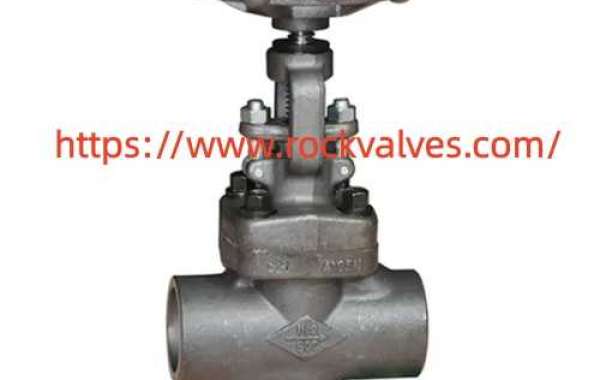
Flanged End Cast Steel Globe Valve selection requires more than checking nominal size and purchase price. Buyers need to consider the actual working medium, pressure, temperature, connection dimensions, material compatibility, operating method, and project standards before confirming an order. Current industry guidance similarly places emphasis on service conditions, pressure temperature ratings, materials, dimensions, and applicable specifications during procurement.
The first point to review is the operating environment. Water, steam, oil, chemical media, and other process fluids can create different demands on internal components and sealing materials. Temperature and pressure should be evaluated together rather than separately because material selection and allowable operating conditions depend on the complete service range. Buyers should provide accurate design data so the manufacturer can check whether the proposed configuration matches the application.
Size is another important consideration. The nominal pipe size needs to correspond with the surrounding piping system, while face to face dimensions and connection standards should also be confirmed. ASME B16.10 is commonly referenced for face to face dimensions, while ASME B16.5 is widely used for pipe flange dimensions within applicable size and pressure ranges.
Pressure class deserves particular attention during technical evaluation. A suitable rating should be selected according to the design pressure, design temperature, material grade, and applicable pressure temperature tables. Available industrial configurations can cover several classes, but the appropriate choice depends on the actual process conditions rather than simply selecting a higher rating. A clear datasheet can help engineers verify these details before purchasing.
Material compatibility should also be reviewed carefully. Body, bonnet, disc, stem, seat, packing, and gasket materials may be selected according to temperature, corrosion conditions, fluid properties, and project specifications. Different alloys and trim combinations are available for different applications, so buyers should provide information about the medium and expected operating conditions when requesting a quotation.
Another point is flow control behavior. Globe type equipment is commonly used for isolation and controlled throttling, although its internal flow path can create a greater pressure drop than some straight through alternatives. For this reason, engineers should consider required flow conditions, pressure loss, operating frequency, and the intended function before finalizing the selection.
Actuation and maintenance requirements should not be overlooked. Manual handwheel operation may be suitable for some installations, while larger sizes or particular operating conditions can require a gearbox or another actuation method. Maintenance teams should also have reasonable access to packing, bonnet components, and other serviceable parts. The selected configuration should fit both the process requirements and the maintenance plan.
Testing and documentation are also worth checking before an order is confirmed. API 598 is commonly referenced for inspection and testing, while API 623 covers steel globe designs with flanged and butt welding ends and bolted bonnets. Project documents may also specify material certificates, inspection records, dimensional information, or other quality documentation.
For buyers working with Rockv, a clear specification can make communication more efficient from the quotation stage through production. Providing size, pressure class, temperature, medium, material requirements, connection standard, operation method, and inspection expectations gives the manufacturer useful information for preparing a suitable configuration. Buyers can review available industrial flow control solutions and product information at https://www.rockvalves.com/ while matching the selection with their own project conditions.