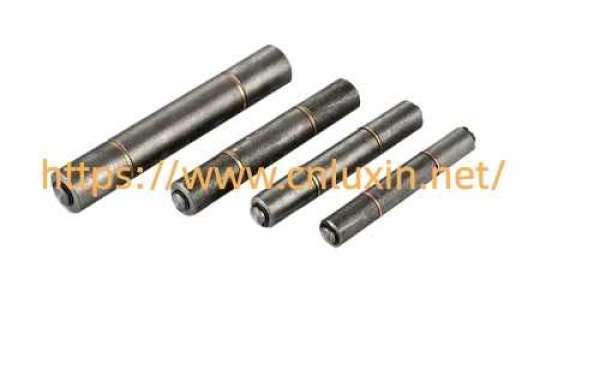
Metal Gate Hinges form the core connection between a swinging barrier and its supporting post or frame, so selecting the right ones starts with accurate assessment of total mass and the alloys involved. A lightweight garden panel under forty pounds can function well with standard bolted fixtures, while a solid driveway unit exceeding two hundred pounds needs thicker plates and higher capacity ratings to avoid gradual drop at the free edge. Measure height width and approximate mass first, then add a practical margin of twenty to thirty percent so the hardware never operates at its absolute limit.
Material of the barrier itself also guides the choice. Steel frames pair naturally with weldable plates that create a permanent bond, while aluminum or composite panels often work better with bolt on designs that allow later adjustment. The surrounding climate further influences the decision. Areas with frequent rain or salt air call for protective finishes that resist oxidation over years of exposure.
In many cases Stainless Steel Bearing Hinges deliver consistent rotation under repeated cycles because the internal bearings limit metal to metal contact and keep friction low. These units suit both residential and commercial settings where the barrier opens multiple times each day. Check the manufacturer load chart carefully and confirm the stated capacity covers the calculated mass with the safety margin included.
Placement affects performance as much as capacity. Position one fixture near the top edge and another near the bottom, keeping six to twelve inches of clearance from each end. Taller barriers often need a third unit near the center to share the load and reduce stress on the outer points. Alignment during installation is critical. Temporary clamps hold everything level while the first fasteners or tack welds go in, allowing a final check of swing clearance before permanent securing.
Surface treatment matters for longevity. Galvanized coatings offer solid protection in inland locations, while higher grade stainless alloys handle coastal or poolside conditions more reliably. Avoid untreated carbon steel outdoors unless a durable paint system will be applied immediately after mounting. Regular inspection every six to twelve months catches early signs of looseness or surface change so simple lubrication or minor realignment can restore smooth action.
When the barrier must self close for safety reasons, look for integrated spring or hydraulic mechanisms that control the final approach without slamming. These options still follow the same weight and material rules but add an extra layer of controlled motion. Always verify that the chosen hardware matches local code requirements for pedestrian or vehicle access points.
Luxin supplies a range of capacity rated options designed for clear matching to common mass ranges and frame types. The product line covers both weld on and bolt on styles so installers can select the method that suits the site conditions.
Careful matching of capacity material and mounting style keeps the barrier swinging freely for many seasons and reduces the need for later correction. Review the full specifications and load tables available at https://www.cnluxin.net/product/ to identify the units that align with the measured mass and environmental demands of each project.