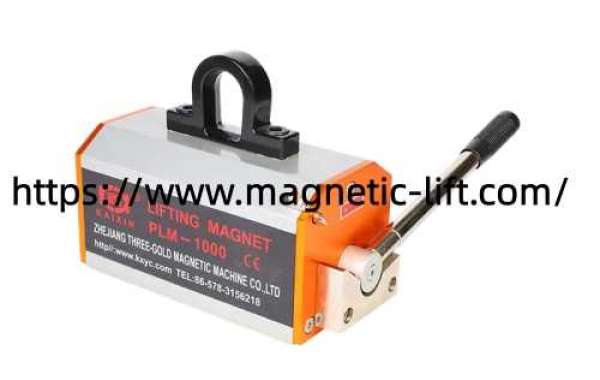
Permanent Magnetic Lifter equipment can support safer material handling by providing a practical method for moving suitable ferromagnetic workpieces without requiring operators to place their hands directly beneath suspended loads. In workshops, warehouses, steel service centers, and fabrication facilities, the handling of heavy plates, blocks, and other steel components can create challenges when conventional methods involve repeated manual positioning. A magnetic lifting solution can reduce some direct physical contact with the load, but safe operation still depends on correct equipment selection, inspection, operating procedures, and load assessment.
The material itself should be the starting point. Magnetic lifting equipment is generally designed for ferromagnetic materials, including many common steel products. Materials such as aluminum, copper, and certain stainless steel grades may not respond adequately to magnetic force. Buyers should therefore provide accurate material information before purchasing. The same equipment should not automatically be assumed suitable for every metal component simply because the components have similar dimensions or weights.
Load weight is another essential consideration. Buyers should compare the actual working load with the rated working capacity stated by the manufacturer. It is also important to recognize that rated capacity can depend on specific conditions. Industry guidance for magnetic lifting equipment notes that factors such as material thickness, air gaps, surface condition, and load configuration can influence holding performance.
Surface condition can make a meaningful difference during daily operation. Rust, scale, paint, oil, dirt, or an uneven contact surface may create a gap between the magnetic contact area and the workpiece. This can affect the magnetic circuit and reduce available holding force. For that reason, purchasing teams should describe the actual condition of the materials rather than providing only clean laboratory specifications. A realistic description allows the manufacturer to assess whether the selected configuration is appropriate.
Workpiece thickness should also be considered. Magnetic performance can change when handling thin sheets compared with thicker steel sections. Buyers can ask for capacity information across the thickness range used in their facility. This provides a more useful reference than looking only at a single maximum figure. If several material sizes are handled regularly, discussing those variations with the manufacturer can help identify a suitable configuration for the intended workload.
The geometry of the component is equally relevant. Flat plates can provide broad contact, while round bars, pipes, and irregular components may have smaller or uneven contact areas. The position of the magnetic unit should allow suitable engagement with the workpiece. Buyers should also consider whether loads will be lifted horizontally or vertically because the direction of force and load movement can influence stability. Proper positioning should always follow the manufacturers operating instructions.
Another important factor is operator procedure. Magnetic equipment should be used by personnel who understand the operating controls, rated capacity, inspection requirements, and limitations of the equipment. Guidance from workplace safety authorities emphasizes that lifting accessories should be inspected and maintained appropriately, with safe working load information clearly understood by users.
A pre use inspection can help identify problems before handling begins. Operators can check the contact surface, operating mechanism, connection points, visible damage, and condition of the workpiece contact area. If the equipment shows signs of damage or abnormal operation, it should be taken out of service according to the applicable workplace procedure. Regular inspection is particularly relevant in environments where equipment is used frequently or exposed to dust, moisture, impact, and heavy industrial activity.
The surrounding workspace also affects safe handling. Operators should plan the travel path before lifting and keep unnecessary personnel away from the suspended load. The load should be raised gradually so its stability can be assessed before moving it through the workspace. Sudden movement, swinging, or contact with nearby equipment can create additional hazards even when the rated capacity has not been exceeded.
For buyers, another consideration is how the equipment fits into existing material handling routines. A compact magnetic device may suit frequent movement of smaller components, while larger industrial applications may require a different configuration. Buyers should provide details such as typical load weight, dimensions, thickness, material grade, surface condition, lifting direction, and working frequency when communicating with a supplier.
Kaixin provides magnetic lifting solutions for industrial users who need to evaluate equipment according to specific handling conditions. Instead of selecting a model based solely on catalog capacity, buyers can discuss their actual workpieces and operating environment with the manufacturer. This creates a clearer basis for reviewing specifications, application suitability, inspection needs, and available configurations.
Safe material handling is built from several connected decisions. Suitable equipment, accurate load assessment, clean contact conditions, proper operating procedures, regular inspection, and trained personnel all contribute to a controlled working process. Buyers interested in magnetic lifting equipment can review the available product range at https://www.magnetic-lift.com/product/ and use the product information as a starting point for evaluating solutions that match their material handling requirements.