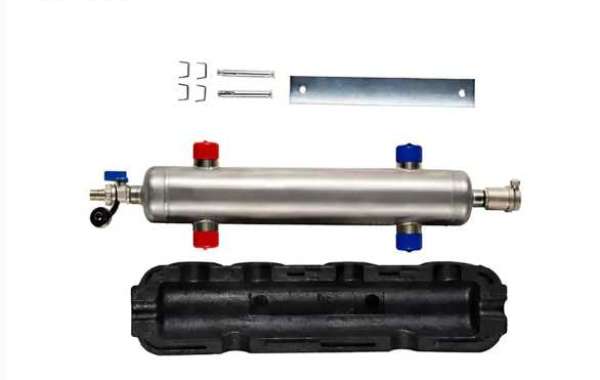
Hydraulic Separator Tank selection should begin with the actual requirements of the heating or HVAC system rather than focusing only on product appearance. Buyers need to consider flow requirements, connection dimensions, material selection, installation space, operating conditions, maintenance access, and supplier manufacturing capabilities. A structured evaluation can make communication between purchasing teams, engineers, and manufacturers much easier before an order is confirmed.
Start With System Requirements
The first step is to understand where the equipment will be installed and how the surrounding circulation system is arranged. Different projects may have different requirements for flow capacity, connection positions, pipe dimensions, and installation direction.
Buyers should prepare basic project information before contacting a manufacturer. Useful details may include the type of heating equipment, number of circulation circuits, approximate flow requirements, connection standards, available installation space, and expected operating conditions.
Providing this information early allows a manufacturer to recommend a suitable configuration instead of relying only on a general product category.
Check Connection Dimensions
Connection compatibility is an important part of product selection. Even when the main body meets the project requirements, an unsuitable interface can create additional installation work.
Purchasing teams should confirm thread standards, connection diameter, inlet and outlet arrangement, and pipe orientation before approving a model. Drawings or dimensional documents can also help engineers compare the proposed product against existing piping.
For projects involving several circulation circuits, buyers should pay particular attention to the number and position of available connections. A suitable layout can make installation planning easier and reduce unnecessary pipe modifications.
Review Material and Construction
Material selection should correspond to the intended application and operating environment. Buyers can ask manufacturers to provide clear information about the body material, connection components, insulation structure, and other major parts.
Construction quality should also be assessed through the sample. Inspect visible welds, connection areas, surface treatment, mounting points, and component assembly. A clean and consistent appearance can provide useful information about manufacturing control, although functional requirements should remain the primary consideration.
For buyers handling private-label projects, material specifications should be documented together with dimensions, finishes, colors, and other agreed requirements.
Consider Installation Conditions
Available space can influence the choice of configuration. Before ordering, buyers should measure the proposed installation area and consider pipe direction, maintenance clearance, access to valves, and surrounding equipment.
Mounting arrangements should also be reviewed. Depending on the project, installers may prefer different orientations or support methods. Discussing these conditions during the quotation stage can help avoid modifications after delivery.
Packaging dimensions can also matter for distributors and importers. Buyers should consider carton size, pallet arrangement, protection around connection points, and loading efficiency when planning larger shipments.
Think About Maintenance
Maintenance requirements should not be overlooked during purchasing. Components that require inspection, cleaning, draining, or adjustment should remain reasonably accessible after installation.
Buyers can ask how routine maintenance is expected to be performed and which parts may require periodic attention. Clear maintenance information can help distributors prepare product documentation for installers and end users.
For projects serving different markets, instruction labels, manuals, packaging information, and product markings may also need to match local purchasing requirements.
Evaluate Sample Quality
A sample gives buyers an opportunity to examine details that may not be obvious from product photographs. Before approving a larger quantity, purchasing teams can inspect dimensions, connections, surface treatment, mounting components, insulation, and assembly quality.
It is also useful to compare the physical sample against the technical drawing. Any difference should be discussed before production begins.
When customized specifications are involved, the approved sample should become the reference for subsequent manufacturing. This can include dimensions, materials, colors, connection positions, branding, packaging, and accessory configuration.
Assess the Manufacturer
Supplier capability is another important consideration. Buyers should ask whether the manufacturer handles product development, production, inspection, customization, and packaging internally or through different external parties.
A manufacturer that can coordinate multiple stages of production may make project communication more straightforward. Buyers should also ask about minimum order quantities, sample arrangements, production schedules, inspection procedures, packaging options, and after-sales communication.
yh-jinyi has experience in hardware manufacturing and provides customized production services for different customer requirements. For buyers developing heating, plumbing, or HVAC product lines, discussing technical specifications directly with the manufacturer can help create a clearer purchasing plan.
A careful selection process should connect system requirements with product specifications, installation conditions, material choices, sample inspection, and supplier capabilities. Buyers planning a new project can review available products and manufacturing information through the https://www.yh-jinyi.com/product/ then discuss suitable configurations and customization requirements according to their application.