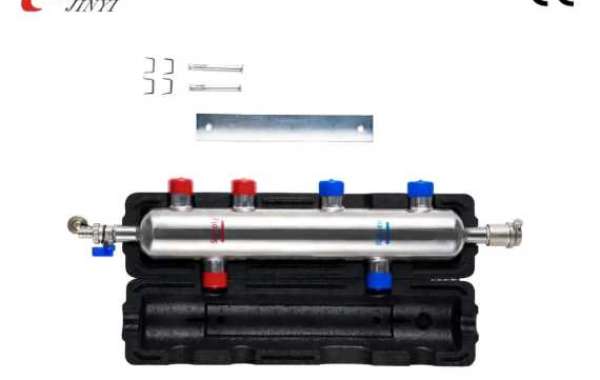
Hydraulic Separator Tank selection should be based on actual project requirements rather than appearance alone. Buyers should examine circulation flow, connection dimensions, body materials, working pressure, temperature range, installation clearance, internal construction, insulation, welding, surface treatment, and documentation. Contractors, distributors, engineering companies, and equipment purchasers can benefit from preparing these details before contacting a manufacturer. A clear specification gives both sides a practical reference and can make sample evaluation, customization, production, and inspection easier to manage.
Identify The Intended Application
Every project has different operating conditions.
Before comparing products, buyers should identify whether the equipment will be used in a heating system, cooling system, heat pump installation, boiler project, or another hydronic application.
The intended use can affect flow requirements, temperature conditions, material selection, insulation, connection arrangement, and installation method.
Buyers should prepare basic project information before requesting quotations.
Calculate Flow Requirements
Flow information is an important part of equipment selection.
Buyers should determine the expected flow in the primary and secondary circuits.
Pump capacity, system load, temperature differences, and zone requirements may all influence the required flow.
Rather than choosing a model solely according to pipe diameter, buyers should compare the expected circulation conditions against the manufacturer's technical specifications.
Check Connection Configuration
Connection details should correspond with the project piping plan.
Buyers can review inlet and outlet dimensions, connection types, orientation, center distances, and pipe routing.
The physical arrangement should be checked against engineering drawings before an order is finalized.
This can help reduce the need for unexpected pipe modifications during installation.
Examine Pressure Requirements
Operating pressure should be clearly defined.
Buyers should review rated pressure, test pressure, expected operating conditions, and relevant project requirements.
For commercial applications, buyers may also require pressure testing records, material documentation, inspection reports, or other technical information.
These requirements should be agreed upon before production begins.
Review Temperature Conditions
Temperature is another important consideration.
Buyers should provide supply temperature, return temperature, expected temperature changes, and surrounding environmental conditions.
Different applications may require different materials, seals, insulation, or surface treatments.
Providing realistic operating information helps the manufacturer evaluate the proposed configuration more accurately.
Compare Body Materials
The body material should be suitable for the intended operating environment.
Buyers can review material grades, wall thickness, connection sections, welding areas, coatings, seals, and insulation.
Material selection may influence weight, corrosion resistance, manufacturing processes, appearance, and service conditions.
A written material specification is preferable to relying on product photographs.
Inspect Internal Design
The internal structure should be reviewed through technical drawings whenever possible.
Buyers can examine internal dimensions, flow paths, connection positions, welding areas, and overall construction.
The design should correspond with the intended circulation arrangement.
Engineers can use drawings to identify potential installation or connection concerns before manufacturing starts.
Evaluate Pump Coordination
Projects using multiple pumps require careful system planning.
Primary and secondary circuits may operate under different flow conditions.
Buyers should provide pump information, circuit requirements, and piping diagrams when discussing product selection.
The equipment should be considered as one part of the complete circulation system rather than evaluated independently.
Measure Installation Clearance
Available space should be confirmed before ordering.
Buyers can measure installation height, width, depth, pipe clearance, maintenance access, and surrounding equipment.
Connection positions should also be compared with the proposed installation location.
Accurate site measurements can help avoid situations where an otherwise suitable configuration cannot be installed conveniently.
Review Insulation Options
Insulation requirements depend on the project.
Buyers should discuss insulation material, thickness, outer covering, installation method, and expected operating environment.
Heating applications may have different requirements from cooling systems.
If insulation is needed, its dimensions should be included in the technical drawing so the final external size remains clear.
Check Welding Details
Welding should be included in the quality inspection process.
Buyers can review weld appearance, connection alignment, reinforcement areas, surface finishing, and visible workmanship.
For customized orders, inspection requirements should be defined before production.
Photos or inspection records can be used as supporting references when buyers need confirmation before shipment.
Examine Surface Treatment
Surface finishing can affect product appearance and protection.
Buyers can check coating type, color, surface consistency, edge treatment, and visible finishing areas.
For customized products, buyers should provide color references and finishing requirements in advance.
A physical sample can also help confirm appearance under normal lighting conditions.
Review Dimensions Carefully
Overall dimensions should be documented clearly.
Buyers should check height, width, depth, connection center distances, insulation dimensions, mounting points, and other relevant measurements.
Technical drawings should correspond with quotations and approved samples.
If changes are made during product development, the revised drawing should become the official reference for manufacturing.
Request Technical Documentation
Commercial buyers may need more than a product photograph.
Useful documentation can include technical drawings, material specifications, pressure information, temperature ranges, dimensions, testing requirements, installation instructions, and packaging information.
Having these documents available can help engineering teams review the product before installation.
Consider Customization
Different projects may require customized dimensions, connections, materials, insulation, surface treatment, labels, or packaging.
yh-jinyi can discuss product configurations according to buyer requirements.
Buyers should provide project drawings, operating conditions, flow information, connection requirements, material preferences, inspection standards, and estimated order quantities.
Detailed requirements make it easier to establish an appropriate production specification.
Test A Physical Sample
A physical sample can help confirm details that may not be obvious in drawings.
Buyers can inspect dimensions, connection positions, welding, surface treatment, insulation, labels, and general construction.
If the sample does not match the approved specification, modifications should be recorded before production approval.
This process can provide a clear reference for larger commercial orders.
Establish Quality Requirements
Quality requirements should be defined before manufacturing.
Buyers can specify dimensional tolerances, material verification, pressure testing, welding inspection, surface treatment, labeling, and packaging requirements.
For repeat orders, these standards can remain part of the purchasing specification.
This approach gives both the buyer and manufacturer a shared reference.
Review Packaging
Packaging should correspond with product dimensions and transportation conditions.
Buyers can discuss protective materials, cartons, pallets, shipping marks, labels, and loading requirements.
The packaging plan should be confirmed before production so that transportation and warehouse requirements can be considered during preparation.
Plan For Repeat Orders
Businesses expecting recurring purchases should maintain complete product records.
These records can include approved drawings, material information, dimensions, connection details, inspection requirements, packaging specifications, and sample references.
Such documentation can make future purchasing discussions easier because both sides can refer to an established specification.
Evaluate Manufacturer Support
A manufacturing partner should be able to communicate clearly about technical details, samples, production arrangements, inspection, packaging, and customization.
yh-jinyi can work with distributors, contractors, engineering companies, and commercial buyers to discuss project specifications and manufacturing requirements.
Buyers should provide complete information rather than relying on general product descriptions.
For businesses evaluating equipment for heating, cooling, heat pump, or hydronic projects, the https://www.yh-jinyi.com/product/ offers a starting point for reviewing available configurations and discussing project-specific requirements. Buyers can provide flow data, connection dimensions, pressure conditions, temperature requirements, material preferences, installation drawings, inspection standards, and quantity expectations. Reviewing these factors together can help purchasing teams establish a clear specification before sample approval and production, while also giving manufacturers a practical reference for customization and repeat orders.