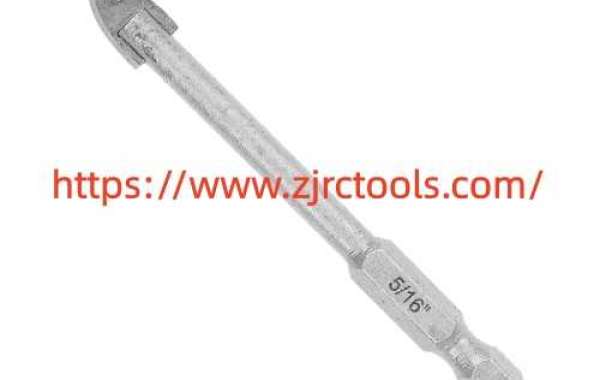
Glass Drill Bit selection deserves careful attention because glass is a hard and brittle material that can respond poorly to excessive pressure, heat, vibration, or unsuitable tooling. Buyers should consider the material type, required hole diameter, workpiece thickness, cutting structure, machine compatibility, and cooling method before placing an order. Current guidance from hardware and tool sources also highlights carbide and diamond tipped designs, low speed operation, and cooling as important considerations for this type of work.
The material itself should be checked before selecting a product. Annealed glass, mirrors, bottles, decorative panels, and other products may have different thicknesses and working requirements. Tempered glass requires particular attention because drilling after tempering can cause the material to break. Manufacturers and installers should confirm the glass specification before beginning any machining operation.
Opening size is another practical consideration. Small openings may be handled with a pointed carbide or diamond construction, while larger openings can call for a hollow cylindrical design. A hollow structure removes material around the circumference rather than occupying the entire opening, making it suitable for applications involving larger diameters. Buyers should compare the available diameter range with the actual dimensions required for their project.
Tool construction also deserves attention. Carbide tipped products are commonly used for certain small openings and thinner materials, while diamond coated designs can be suitable for applications requiring abrasive cutting. The choice should depend on material characteristics, opening size, production frequency, and machine conditions rather than simply selecting a product based on appearance. Different constructions serve different working situations.
Cooling is particularly important because friction generates heat during machining. Water or another suitable cooling method can help control temperature and reduce thermal stress. Current technical guidance recommends maintaining cooling during the operation, especially when using diamond based products. Buyers should therefore consider whether their equipment and workspace can support the required cooling approach before choosing a particular configuration.
Operating speed should also be considered together with cooling and pressure. A controlled speed can help the cutting edge work gradually against the surface. Excessive force may increase the chance of chipping or cracking, while an unsuitable speed can create additional heat. Variable speed equipment gives operators greater control and can make it easier to adapt the process to different materials and dimensions.
Workpiece support is another detail that can affect machining stability. The material should be positioned securely on an appropriate surface to reduce movement and vibration. When starting an opening, keeping the tool aligned with the marked location is important. Tape or a suitable guide can help reduce movement at the beginning of the operation, while stable support can make the process easier to control.
Buyers should also consider the connection between the tool and their equipment. Shank dimensions need to match the chuck or machine being used. A mismatch can create instability and make the machining process harder to control. Before purchasing, checking the shank specification, overall length, working length, and recommended equipment can prevent unnecessary compatibility issues.
For applications involving larger openings, a Glass Hole Saw Drill Bit may be worth considering when its hollow construction and diameter range match the project. This type of design is commonly associated with larger circular openings in panels, mirrors, bottles, and similar materials. A suitable guide or stable positioning method may also be useful when maintaining the desired cutting path.
Production frequency can influence purchasing decisions as well. Occasional workshop use may require a different configuration from repeated fabrication work. Buyers handling regular orders should consider dimensional consistency, available sizes, replacement planning, and operating conditions. Reviewing these factors together can make purchasing decisions more practical and help create a tooling setup that fits the actual workflow.
Zjrctools provides tooling options for different machining requirements, allowing buyers to compare product specifications according to their materials, equipment, and application needs. A careful review of dimensions, construction, connection type, and operating recommendations can help narrow the available choices without relying on generalized claims.
Before making a purchase, buyers can prepare a simple specification list covering material type, thickness, opening diameter, machine model, shank requirement, cooling method, and expected usage frequency. This information creates a clearer basis for comparing products and discussing application requirements with a manufacturer. Zjrctools product options can be reviewed directly at https://www.zjrctools.com/product/ to help buyers evaluate suitable tooling according to their actual workshop needs.