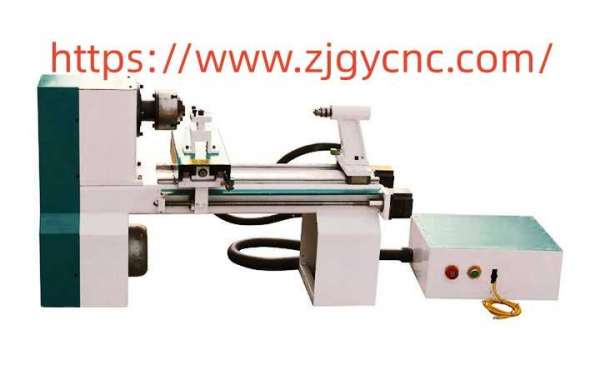
Mill-Turn CNC Machine technology combines rotational cutting with milling and drilling functions within one coordinated platform. Instead of moving a component between separate production stations for every feature, several operations can be completed while the workpiece remains secured in one setup. This approach can reduce handling, repeated fixture preparation, and additional alignment work. Industry sources describe this technology as a way to combine turning and milling within one setup, particularly for components that contain both cylindrical and non cylindrical features.
Why Do Multiple Setups Create Extra Work?
A complex component may traditionally require several stages. An operator might begin with external diameter cutting, transfer the part to another station for holes, reposition it for slots, and then return it for additional finishing.
Each transfer requires handling and positioning. The reference point used for the next operation must also correspond with the previous stage. This creates additional preparation work and can introduce differences caused by repositioning.
A combined platform changes this sequence by keeping the component secured while different cutting functions are carried out. Fewer transfers can therefore simplify production planning and reduce interruptions between operations.
How Are Different Operations Combined?
The basic concept is based on coordinated cutting functions. A rotating spindle can handle cylindrical surfaces, while powered cutting tools can create holes, flats, grooves, slots, and other features.
Depending on the configuration, additional axes can provide access to off center features and angled surfaces. Some platforms also include a second spindle, allowing work on another side of a component without returning it to a separate station.
This arrangement is useful for parts that combine round profiles with additional geometric features. Examples include shafts with flats, flanges with bolt holes, fittings, connectors, and components containing cross holes.
How Does One Setup Affect Alignment?
Workpiece alignment is an important part of component production. When a part moves between stations, the operator needs to establish its position again. Even when careful procedures are followed, every additional setup creates another opportunity for positioning differences.
Keeping the workpiece secured during several operations can simplify this issue. The same reference relationship can be maintained while different features are produced.
This does not remove the need for careful setup, tooling, programming, and inspection. Instead, it changes the production sequence by reducing the number of times the component needs to be removed and positioned again.
Where Can This Approach Save Handling Time?
Material handling can become a significant part of a complex production route. Operators may need to unload a partially completed component, move it to another station, secure it again, verify its position, and prepare the next operation.
An integrated platform can bring several stages together. The operator prepares the workpiece once, loads the required tools, and allows the programmed sequence to coordinate the different cutting functions.
For repeated components, this arrangement can make the production route easier to organize. It can also reduce waiting between separate stations when the component would otherwise need to move through several processing areas.
What Parts Benefit From Combined Processing?
This approach is particularly relevant to components with mixed geometry. A cylindrical body may need a flat surface, several holes, a groove, a thread, and an angled feature.
Producing these features separately can create a longer process route. Bringing several operations into one setup can make the sequence more direct.
Common applications include automotive components, aerospace parts, medical components, robotic connectors, valve bodies, flanges, shafts, and industrial fittings. The suitability depends on component geometry, material, required tolerances, production quantity, and available tooling.
Does Programming Become More Important?
Yes. Combining several operations requires careful process planning. The programmer needs to determine the order of cutting, tool movement, spindle coordination, workholding conditions, and transitions between operations.
Modern CAM platforms can provide a unified environment for rotational cutting, milling, drilling, and multi axis paths. This can help programmers manage complex sequences within one production plan.
For manufacturers, the programming strategy should match the physical capabilities of the selected platform. Tool access, axis movement, clearance, workholding, and component geometry all need to be considered before production begins.
What Should Manufacturers Evaluate?
A practical evaluation can include several factors:
Component geometry
Material type
Number of required operations
Workpiece dimensions
Required tooling
Workholding method
Axis configuration
Production quantity
Programming requirements
Inspection procedures
The purpose is not to combine every possible operation. The real benefit comes when the component has several compatible features that would otherwise require repeated transfers.
How Can Zjgycnc Support Integrated Production?
Zjgycnc provides multifunctional machining solutions for manufacturers producing components with varied geometric requirements. Its product range can be considered for businesses working with shafts, fittings, flanges, machinery components, connectors, and other parts that combine rotational and additional features.
When evaluating a suitable configuration, manufacturers can provide information about component dimensions, material, required operations, production volume, tooling needs, and desired automation. These details can help connect the selected configuration with the actual production route.
For businesses reviewing available machining solutions, the Zjgycnc product range is available at https://www.zjgycnc.com/product/