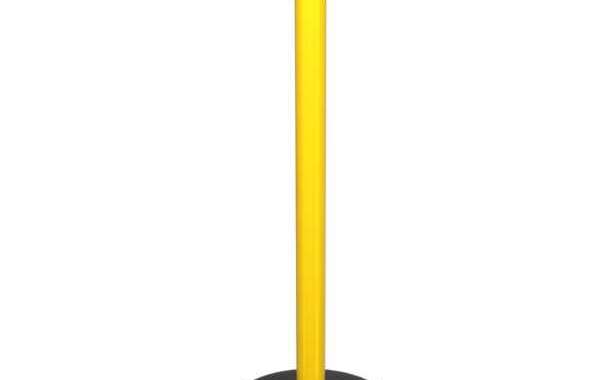
Safety retractable belt barriers are posts (stanchions) with built-in belt systems that can extend out to block access, guide people, or create temporary boundaries. The belt retracts back into the post when not in use. They’re used indoors or sometimes outdoors (depending on design) and are built with features intended to make them safer than simpler barriers — for example, slow retraction (to avoid snap-backs), high visibility colours or warning messages, and stable bases so they don’t tip or become trip hazards.
Key Features What Makes Them “Safety”-Oriented
From UK product examples, here are common safety features built into good retractable belt barrier designs:
| Feature | Why It Matters |
|---|---|
| Slow belt retraction / Belt brake | Prevents the belt from snapping back fast and causing injury. Examples: SafetyMaster and RollerPro models include internal belt brake systems. |
| High-visibility post belt colours | Bright colours like yellow, red, orange or colour combinations (chevron stripes) make hazards more obvious. Many barriers offer printed messages like “Danger / Keep Out / Authorised Access Only” to make intent clear. |
| Solid, stable base | Heavy or concrete-filled or rubber base helps the barrier stay upright even if someone bumps into it. Low-profile bases also reduce trip risk. |
| Full circumference floor protector | Rubber rings or skirts around base help avoid scratching floors and also help stability. |
| Lower belt / dual belts | Some designs add a lower belt to reduce the chance of people, especially children, ducking under the belt. This is also helpful for visually impaired who may use a cane. |
| Universal belt ends / connectors | Allows belts to attach to many posts or receivers; helpful for flexibility and is safer to link things securely. |
Where When to Use Them
These barriers are useful in many settings. Some typical use-cases:
Warehouses or industrial areas: to block off dangerous machinery, cleaning zones, or where maintenance is happening.
Hospitals, clinics: to section off zones (e.g. during cleaning, patient flow control, or hazard areas).
Retail or public venues: for queue management, restricting off-limit areas, directing foot traffic.
Events or exhibitions: temporary barriers that can be deployed quickly and removed after.
Outdoors usage is possible, but only with models specifically designed for outdoor conditions (weather-proof materials, stable heavier bases or fillable with water/sand). Many of the “safety” barriers are indoor only, so check specifications.
Pros Cons
Pros:
Flexible and quick to deploy and remove.
Provide clear, visible boundary with safety messaging.
Safer mechanisms reduce risk of injury (snapback prevention, stable design).
Reusable, portable, often cost-efficient over time.
Cons / Things to Watch Out For:
Many models are for indoor use only; outdoor versions are fewer and more expensive.
Even with a brake, belts can snap if misused. Must be used correctly.
Lower belt or dual belts add cost and may increase complexity.
Stability is crucial: light bases may tip if knocked or if wind outdoors.
Examples of Good UK Options
Here are some real examples to illustrate what good safety retractable belt barriers offer (specs included, so you can compare):
SafetyMaster Retractable Safety Barrier (WorkplaceStuff/XLD Displays): 3.4 m belt, steel post (10 kg), high-visibility colours, internal belt brake, many belt colour/message options.
RollerPro 250 Twin Retractable Belt Barrier: Has two belts, lower belt to prevent ducking under and help visually impaired; heavy gauge steel; powder coated finishes.
SafetyPro 335: Offers long belt lengths (7.6-10.6 m), weatherised for outdoor use, multiple colour message options; solid base; serious duty design.
Skipper™ Barrier Kit 36m: A kit for creating larger cordoned-off areas; posts have bases fillable with water/sand for more stability; suitable for outdoors.
What to Check Before Buying
Here are things to check so you get a barrier that will actually work safely in your situation:
Indoor or Outdoor – If outdoor use is needed, ensure the unit is rated for weather, corrosion, wind, etc.
Height Belt Length – Consider how far the belt needs to stretch; longer belts mean fewer posts needed but may need stronger bases.
Base Design Weight – A heavier/sturdier base is safer, especially in high-traffic or vandal-risk areas.
Belt Brake Retraction Mechanism – Look for slow-retract or brake features to reduce snap risk.
Colours Safety Messages – Visual clarity matters; belts with warning text or high-contrast colours are safer.
Fit Compatibility – If you already have posts or receivers, universal ends/connectors make adding to an existing system easier.
Budget Warranty – Higher quality units cost more but last longer; check warranty terms. Many UK products offer 2-3 year warranties.
Trip Hazard / Floor Protection – Low base or floor-protecting rubber ring helps avoid tripping issues or damaging flooring.
Final Thoughts
Safety retractable belt barriers are a smart tool to enhance safety, control access, and manage people flow. When properly designed and deployed, they significantly reduce risk. If you select one with strong safety features (good base, slow retract, visibility, etc.), they provide both functionality and protection.
If you like, I can pull together a list of top-rated safety retractable belt barriers with prices in your region so you can pick something that fits your budget.