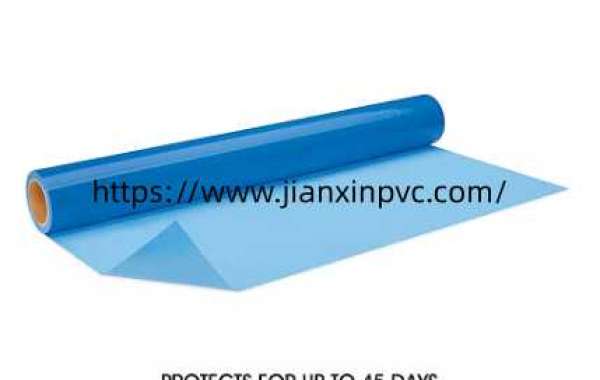
Adhesive tapes are used across manufacturing, construction, packaging, maintenance, and everyday household activities. Although the adhesive layer often receives the most attention, the backing material also plays an important role in determining how a finished tape behaves during production and application. For manufacturers exploring flexible plastic substrates, PVC Tape Film provides opportunities to develop products with different surface characteristics, visual effects, and processing properties. Understanding the relationship between film composition and downstream converting requirements helps businesses select materials that fit their intended applications.
The material structure of a plastic film influences its flexibility, strength, surface feel, and compatibility with additional processing. Polyvinyl chloride is commonly used in flexible film manufacturing because its formulation can be adjusted to meet different industrial requirements. By modifying the composition, manufacturers can produce films with varying softness, transparency, color, and surface characteristics. These differences allow tape producers to develop backing materials for applications with distinct functional and decorative expectations.
Raw material selection is an important part of this process. PVC resin provides the basic material structure, while plasticizers contribute to flexibility and handling characteristics. Stabilizers and other additives may help maintain material consistency during processing. Pigments introduce different color options, and selected surface treatments can influence the appearance and behavior of the finished film. The interaction between these components determines whether the material is suitable for a particular converting process.
When sourcing film for tape manufacturing, buyers should first identify the intended end use. Electrical applications, surface marking, protective covering, packaging, and general industrial purposes may require different material characteristics. A backing material intended for frequent handling may need different flexibility and surface properties from one designed primarily for visual identification. Clearly defining the application helps suppliers recommend more appropriate material solutions.
Compatibility with adhesive systems is another important consideration. The backing film and adhesive layer must work together as part of a finished product. Surface energy, surface cleanliness, and treatment methods can influence how an adhesive coating interacts with the substrate. Buyers should discuss the intended adhesive formulation and coating process with their suppliers rather than assuming that every plastic film is compatible with every adhesive system.
The converting process also deserves attention during purchasing decisions. Some tape manufacturers use printing, coating, lamination, slitting, or other secondary operations to transform large film rolls into finished products. A suitable substrate should be compatible with the planned production workflow. Requesting samples and conducting trial runs can help identify possible issues involving surface adhesion, web handling, or processing consistency before larger orders are placed.
Manufacturing technology has a direct influence on the quality of plastic film. Calendering is a common production method for PVC materials, using specialized rollers to form a continuous film from a prepared formulation. The process requires careful control of material preparation and production conditions to achieve consistent thickness distribution, surface appearance, and material structure. Uniformity is particularly important when the film will undergo further coating or printing.
Surface treatment can provide additional functional value. Depending on the requirements of the tape manufacturer, film surfaces may be prepared to support printing, coating, or adhesive-related processes. Different treatments can influence surface interaction and the results of subsequent manufacturing operations. Selecting an appropriate treatment requires an understanding of the complete production process rather than considering the film as an isolated material.
Quality inspection is equally important. Variations in surface smoothness, color, flexibility, and material consistency may affect the efficiency of downstream production. Manufacturers should establish inspection procedures that cover raw materials, production stages, and finished rolls. Consistent quality helps reduce unnecessary interruptions during converting and supports more predictable product development.
From the perspective of production workers, a film's handling characteristics can influence daily manufacturing efficiency. Materials that unwind consistently and move smoothly through converting equipment can make coating, printing, and slitting operations easier to manage. Poor surface conditions or inconsistent material behavior may create wrinkles, uneven processing, or difficulties during roll handling. These factors can influence production costs and the reliability of the finished tape.
The experience of the end user also depends on the backing material. A tape needs to be manageable during application, storage, and removal, according to its intended purpose. Flexibility can help the product adapt to curved or irregular surfaces, while suitable surface characteristics can support clear printing and product identification. For applications involving outdoor exposure or frequent contact, manufacturers should evaluate environmental suitability and long-term material behavior.
Visual appearance offers another area for product differentiation. Tape backing materials are available in different colors, transparency levels, and surface finishes. Transparent films may be useful when visual continuity is important, while colored substrates can support identification and organizational purposes. Matte or textured finishes provide alternative appearances for specialized products. Printed patterns and customized colors can also help manufacturers develop products for particular customer groups.
These design options are not merely decorative. Color coding can make different tape categories easier to identify, while surface finishes may influence how printed information appears. For distributors and private-label manufacturers, customization can also support brand differentiation and coordinated product collections. The selection of a finish should therefore consider both the visual expectations and the practical requirements of the finished tape.
Zhejiang Jianxin Plastic Co., Ltd. specializes in PVC calendered plastic film manufacturing and provides customized material solutions for different industrial applications. Its product capabilities include transparent, translucent, colored, and embossed films, offering customers flexibility when developing materials for further processing. Through OEM and ODM cooperation, the company can discuss customer requirements involving film appearance, formulation, and processing needs, helping tape manufacturers explore suitable substrate options for their production projects.
For businesses sourcing plastic film, communication with the material supplier is an important part of product development. Information about adhesive compatibility, coating methods, printing requirements, storage conditions, and final applications helps establish clearer material specifications. Manufacturers interested in exploring PVC film products and customized production services can learn more about Zhejiang Jianxin Plastic Co., Ltd. through its official website: https://www.jianxinpvc.com/.