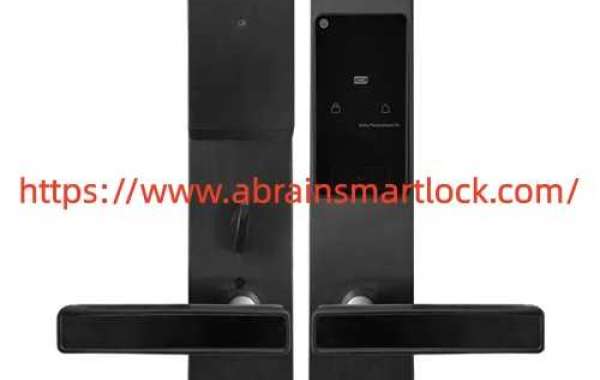
Internet Door Lock technology is changing how homeowners, property managers, and business operators organize everyday access. Instead of relying entirely on physical key distribution, connected electronic systems introduce new ways to manage visitors, coordinate staff entry, and review access activities. These changes are particularly relevant to properties where different people need access at different times. Understanding how connected access functions fit into daily routines can help buyers make informed decisions when selecting electronic entrance equipment.
One noticeable change is the way property owners manage access for family members and visitors. Traditional keys require physical handovers, and additional copies may need to be prepared when household arrangements change. Digital credentials offer another approach by allowing authorized users to receive individual access permissions.
For example, a homeowner expecting a visitor can arrange an appropriate entry method without necessarily meeting the person at the entrance. Depending on the product configuration, access may be managed through a mobile application, keypad, card, or other supported identification method.
This flexibility can also be useful for rental properties. Guests often arrive at different times, while cleaning personnel and maintenance workers follow separate schedules. Property managers can benefit from access arrangements that accommodate these changing requirements without repeatedly coordinating physical key exchanges.
Temporary credentials are particularly relevant to this situation. A manager may assign a visitor a limited access period and adjust permissions when circumstances change. Some connected systems also support activity records, allowing authorized administrators to review entry events.
Another important development involves staff coordination. Offices, apartment buildings, and commercial facilities often have employees working different shifts. Reception personnel, maintenance workers, contractors, and management teams may not require identical access permissions.
A digital administration system can help organize these differences. Rather than distributing the same credential to everyone, administrators may be able to assign individual permissions according to responsibilities and working arrangements. When an employee leaves or a contractor finishes a project, their access authorization can be reviewed and updated.
This approach can make daily administration easier to organize, especially in buildings with several entrances or multiple user groups. However, buyers should check which management functions are supported by the actual product and whether a separate software platform is required.
Connectivity is another important consideration. Depending on the product design, electronic access equipment may communicate through Wi-Fi, Bluetooth, or other supported technologies. Each connection method serves different purposes and may involve different installation and network requirements.
Wi-Fi connectivity can support remote administration when the product and application are configured for this function. Bluetooth may provide communication between a mobile device and nearby equipment. Buyers should examine the supported connection methods and understand how the system behaves when network access becomes unavailable.
A reliable purchasing decision should also consider alternative entry arrangements. Network interruptions, mobile device problems, or insufficient battery power can affect normal operation. Manufacturers should provide clear instructions about backup access, emergency procedures, and routine maintenance.
The user experience deserves equal attention. Technology should fit naturally into everyday activities rather than create additional complications. Residents need understandable instructions, while property managers benefit from interfaces that make user administration straightforward.
For example, a family may prefer different identification methods for adults, children, and occasional visitors. A commercial property may require separate arrangements for employees and service personnel. The product should therefore be evaluated according to the people who will actually use it.
Design and material selection also influence purchasing decisions. Electronic entrance equipment is a visible part of a building, so its appearance should complement the surrounding architecture. Metal finishes, handle shapes, control panel arrangements, and housing designs can all influence how a product fits into an interior or exterior setting.
Buyers should also examine the materials used in the housing and the treatment applied to exposed surfaces. These details affect appearance, cleaning requirements, and suitability for different installation environments. Product samples and manufacturer documentation can provide useful information during the evaluation process.
For hotels and accommodation businesses, connected access introduces additional operational possibilities. Guest arrival schedules, room assignments, staff permissions, and property management procedures all influence the required configuration. Buyers working with a Smart Lock Factory should discuss product compatibility, available access methods, customization requirements, and technical support before placing a bulk order.
Integration deserves particular attention in larger projects. A property may already use booking software, visitor management tools, or other building systems. Buyers should confirm whether the proposed equipment supports the required connections instead of assuming that every product can communicate with every platform.
The purchasing process should begin with a clear understanding of the property and its daily activities. Consider who needs access, how permissions will be assigned, which connection methods are available, and what arrangements are required when electronic functions cannot be used. These questions help transform a general product search into a practical project decision.
Abrain develops electronic access products for residential and commercial applications, with attention to digital functionality, product design, and everyday usability. For distributors, property developers, hotel purchasers, and homeowners evaluating connected entrance solutions, the available product range provides a starting point for comparing different applications. Visit https://www.abrainsmartlock.com/product/ to review Abrain products and discuss suitable configurations for your property requirements.