When manufacturers work with aluminum structures that require reliable mechanical properties and consistent welding performance, filler material selection becomes an important part of the production process. Aluminum Welding Wire ER5087 is a suitable option for applications involving magnesium-containing aluminum alloys, particularly where strength, corrosion resistance, and weld quality are important considerations. By understanding the characteristics of Aluminum Welding Wire ER5087, welding professionals can make better decisions about material compatibility, fabrication methods, and project requirements. Its application in marine engineering, transportation equipment, and industrial aluminum fabrication makes it a valuable material for specialized welding operations.
Understanding the Composition of ER5087 Welding Wire
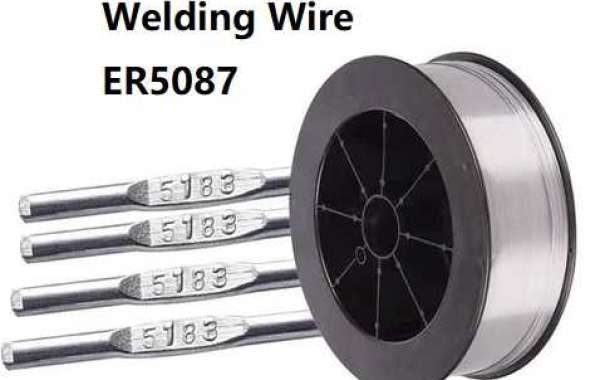
ER5087 is an aluminum-magnesium welding filler metal designed for joining compatible aluminum alloys. Its magnesium content contributes to the mechanical properties of the deposited weld metal, making it relevant to fabrication projects where structural performance is a priority.
The selection of filler wire should always consider the base metal composition and the intended working environment. Aluminum alloys differ in their chemical composition and mechanical characteristics, so choosing a compatible welding consumable helps support suitable joint properties.
ER5087 is commonly considered for welding applications involving 5083 and other compatible magnesium-containing aluminum alloys. Before selecting the wire, fabricators should review material specifications, welding procedures, and project requirements to determine whether it is appropriate for the intended application.
Marine Applications and Corrosion Resistance
Marine structures are frequently exposed to moisture, saltwater, and changing environmental conditions. These factors make material selection particularly important when manufacturing vessels, marine equipment, storage structures, and offshore components.
Aluminum alloys containing magnesium are widely used in marine fabrication because of their useful combination of strength and corrosion resistance. ER5087 welding wire can be considered for compatible aluminum materials used in these applications.
However, the overall corrosion performance of a welded structure depends on more than filler metal selection. Base material quality, joint preparation, welding conditions, surface treatment, and environmental exposure all influence the final result.
Manufacturers should therefore evaluate the complete welding process rather than relying on a single material characteristic. Appropriate welding procedures and post-weld inspections help support consistent fabrication quality in marine environments.
Kunliwelding: Matching Filler Wire to Industrial Requirements
For industrial buyers, choosing welding wire involves evaluating product specifications, application requirements, and manufacturing consistency. Kunliwelding offers aluminum welding consumables for different fabrication needs, helping buyers explore suitable filler materials for aluminum processing projects.
When sourcing ER5087 welding wire, purchasing teams should pay attention to wire diameter, packaging format, material documentation, and compatibility with their welding equipment. These details can influence production arrangements and help ensure that the selected consumable meets workshop requirements.
It is also useful to communicate directly with suppliers about the base aluminum alloy, welding position, joint design, and expected service conditions. Providing this information allows technical discussions to focus on practical material selection instead of relying on general product descriptions.
A clear understanding of application requirements can help manufacturers organize their purchasing decisions and establish more consistent welding processes.
Welding Preparation and Process Considerations
Even when a suitable filler metal has been selected, preparation remains essential for aluminum welding. Aluminum surfaces can contain oxide layers and contaminants that interfere with weld formation. Proper cleaning before welding helps reduce the possibility of defects associated with surface contamination.
Storage and handling also deserve attention. Aluminum welding wire should be protected from moisture, dust, and other contaminants that could affect its condition before use. Operators should follow the manufacturer's recommendations for storage and handling.
Welding parameters should be selected according to the base material, wire diameter, equipment configuration, and joint requirements. Factors such as heat input, travel speed, shielding gas, and wire feeding stability can influence the appearance and quality of the finished weld.
Trial welding and inspection can help fabricators confirm whether the selected procedure is suitable before moving into regular production.
Supporting Consistent Results in Aluminum Fabrication
Industrial aluminum welding involves several connected decisions, including alloy identification, filler metal selection, surface preparation, equipment adjustment, and quality inspection. Each stage contributes to the performance and reliability of the completed structure.
For purchasing managers and welding professionals, understanding the intended application is a practical starting point. Marine manufacturers may prioritize corrosion-related requirements, while transportation and industrial equipment producers may focus on joint strength, fabrication efficiency, and material compatibility.
Selecting appropriate consumables also helps businesses maintain organized production processes. Working with suppliers that provide clear product information and technical communication can make it easier to evaluate different welding materials.
Whether the project involves marine structures, aluminum equipment, or general industrial fabrication, matching the filler wire to the base alloy remains essential. To explore aluminum welding wire products and related consumable options, visit https://www.kunliwelding.com/ for more product information and supplier details.