
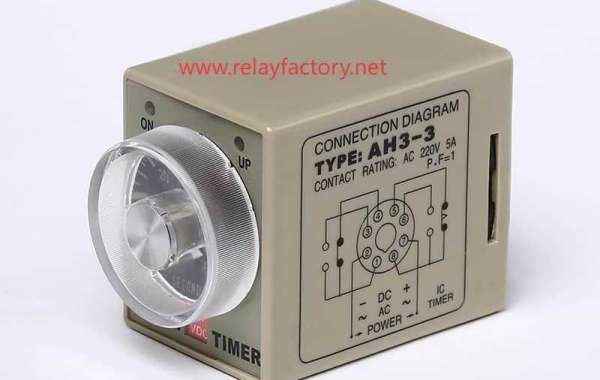
Custom Time Relay projects usually begin with a specific control requirement rather than a standard catalog selection. Buyers may need a particular delay sequence, electrical configuration, connection arrangement, or installation format for their equipment. Before placing an order, it is important to translate these requirements into clear technical information. As a manufacturer, relayfactory works with customers to review project details, discuss product configurations, and establish a practical basis for production.
Define the Required Timing Function
The timing function determines how a device responds when a control signal or power supply changes. Buyers should describe the actual operating sequence instead of simply requesting a timer with a certain delay.
Common functions include on-delay, off-delay, interval timing, cyclic operation, and multifunction operation. Each option serves a different control purpose. For example, a motor control panel may require a delay before a contactor activates, while an automated production process may need repeated switching intervals.
Prepare a short description of the expected sequence. Include what starts the timing process, when the output should change, and what should happen after power is removed or restored. A timing diagram can also help the manufacturer understand the intended operation.
Confirm Electrical Specifications
Electrical compatibility should be reviewed before discussing the final product configuration. Buyers need to identify the supply voltage, whether the circuit uses AC or DC, and the electrical characteristics of the connected load.
Output contact specifications also deserve attention. Check the required contact arrangement, such as normally open or normally closed contacts, and confirm the voltage and current ratings for the intended application. Resistive and inductive loads may place different demands on switching contacts, so the actual load type should be included in the technical brief.
It is also useful to provide the equipment schematic or control panel drawing. These documents help clarify how the device will connect with other components and whether additional switching equipment is needed.
Match the Timing Range to the Application
A suitable timing range should cover the actual operating interval while allowing practical adjustment. Buyers should provide the expected minimum, normal, and maximum delay values rather than giving only one approximate number.
For example, a process requiring a delay of several seconds may need a different adjustment range from equipment operating over several minutes. The adjustment method should also be considered. Depending on the design, settings may use rotary controls, switches, or a digital interface.
Ask the manufacturer about timing tolerance, setting resolution, repeatability, and reset behavior. These details help determine whether the proposed configuration is appropriate for the intended process. They also provide a clearer basis for evaluating samples during the approval stage.
Check Installation and Connection Requirements
A product can meet the electrical requirements but still create difficulties if its physical design does not fit the equipment. Buyers should therefore confirm mounting style, available installation space, terminal arrangement, and wiring access.
DIN-rail installation, panel mounting, and plug-in formats may suit different control cabinet layouts. If the project requires compatibility with an existing socket or terminal system, provide its dimensions and connection information before production.
Environmental conditions should also be included. Operating temperature, humidity, vibration, and enclosure conditions can influence component selection and product design. Where equipment operates in a restricted space or demanding environment, these details should be discussed early rather than left until final assembly.
Prepare Drawings, Samples, and Technical Documents
A clear technical package makes communication between the buyer and manufacturer more efficient. Useful materials include electrical schematics, installation drawings, reference samples, product dimensions, terminal diagrams, and written operating requirements.
If the order is intended to replace an existing model, share its label information and relevant specifications. A similar appearance does not necessarily mean two products have identical electrical or timing characteristics. The manufacturer should review the actual requirements before confirming compatibility.
Buyers should also ask which documents will be supplied with the order. Depending on the project, these may include a datasheet, wiring diagram, inspection records, or agreed test information. Confirming document requirements early helps both parties prepare for technical review and incoming inspection.
Agree on Sample Testing and Acceptance Criteria
Before approving a production order, buyers should establish how the sample will be evaluated. Testing should reflect the conditions under which the product will operate.
A practical evaluation may cover timing operation, supply voltage, output switching, terminal connections, installation fit, and adjustment behavior. If the device is part of a larger control system, testing it within the relevant circuit can reveal integration issues that a standalone inspection may not identify.
Both parties should agree on the test conditions and acceptance criteria. Record any required adjustments and confirm whether the approved sample will serve as the reference for subsequent production. This creates a shared understanding of the expected product configuration.
Discuss Production and Delivery Arrangements
Technical approval is only one part of the purchasing process. Buyers should also confirm order quantity, packaging requirements, production schedule, inspection arrangements, and shipping details.
For repeat orders, clarify how approved specifications will be maintained and how any future design changes should be communicated. If the project involves private labeling or customized packaging, provide artwork and labeling instructions in advance.At relayfactory, communication about application requirements and order details helps connect product configuration with the buyer’s purchasing plan. International buyers, distributors, and equipment manufacturers can visit https://www.relayfactory.net/ to review the company’s product information and discuss timing control requirements for upcoming projects.






