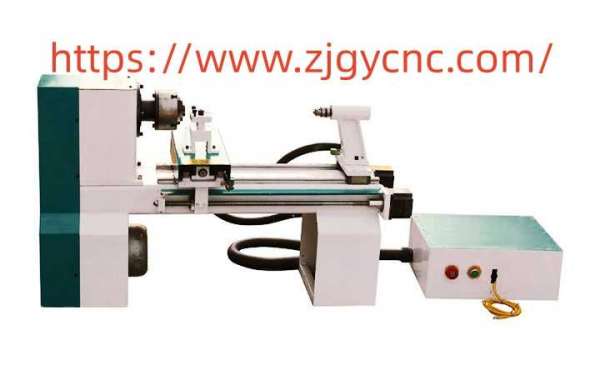
Mini CNC Lathe purchasing decisions often begin with a practical question: can a compact machine handle the components your workshop needs to produce? Buyers should evaluate workpiece dimensions, material types, machining operations, production quantities, and available workspace before comparing models. A clear understanding of these requirements makes it easier to discuss equipment configurations and plan an investment around actual manufacturing tasks.
Identify the Components You Plan to Manufacture
Before reviewing equipment specifications, prepare a list of the components you expect to process. Consider their diameter, length, shape, material, and dimensional tolerances. These details help determine the required machining range and whether a compact configuration suits your production tasks.
For example, a workshop producing small metal fittings may have different requirements from a business making instrument parts, threaded connectors, or mechanical accessories. Each application involves different cutting conditions and workholding arrangements.
Prepare several representative product drawings whenever possible. Drawings help manufacturers understand the actual dimensions and machining procedures instead of relying on general descriptions. They also provide a useful reference when discussing optional accessories and customized configurations.
Consider Available Workshop Space
Compact equipment can be useful for workshops where floor space is limited, but buyers should consider more than the external machine dimensions.
Measure the intended installation area and leave enough room for operators to load materials, remove finished components, change tools, and perform inspections. Consider the location of electrical connections, material storage, and other workshop equipment as well.
Weight and installation conditions should also be checked. Buyers need to understand whether the existing floor and handling arrangements are suitable for the selected model.
A practical layout can help operators move between different work areas and organize daily production activities. Planning these details before delivery can also reduce installation adjustments.
Compare Spindle Performance and Workholding Options
Spindle specifications should match the materials and dimensions of the workpieces. Buyers should review available speed ranges, motor power, chuck size, and spindle bore according to their production requirements.
Material properties influence cutting conditions. Aluminum, brass, stainless steel, and other metals may require different speeds, cutting tools, and machining parameters. Discuss the materials you process regularly rather than selecting a configuration based on one specification alone.
Workholding is equally important. Check the available chuck types, collets, fixtures, and tailstock arrangements. If your components have unusual shapes or require particular clamping methods, provide drawings to the manufacturer before ordering.
Review Tooling and Programming Requirements
The tooling arrangement determines which operations can be completed during a production cycle. Buyers should examine the tool holder configuration, number of available positions, supported tool dimensions, and tool-changing method.
Consider the operations your components require. Turning, facing, threading, grooving, and drilling may involve different tools and setup procedures. An appropriate arrangement can help organize these tasks within the planned workflow.
Programming functions also deserve attention. Review the controller interface, programming method, operating instructions, and compatibility with the software or procedures already used in your workshop.
For businesses introducing automated machining for the first time, operator training and technical documentation should be included in supplier discussions.
Match Equipment Capacity with Production Volume
A purchasing decision should reflect both current orders and expected production changes. Buyers should estimate the number of components produced per shift, the frequency of product changes, and the amount of time available for setup.
Small batch manufacturing may involve frequent changes between component types. In this situation, buyers should discuss setup procedures, program storage, tooling changes, and workholding flexibility.
For repeated orders, production cycle time and material handling arrangements may receive greater attention. If the workshop expects production volume to increase, ask whether additional accessories or automation options are available for the selected configuration.
Ask About Inspection and Quality Control
Finished component requirements should guide the inspection process. Buyers should identify dimensional tolerances, surface finish expectations, and repeatability requirements before confirming the machine specifications.
Ask the supplier how equipment performance is checked before shipment. Relevant procedures may include dimensional inspection, spindle operation checks, positioning tests, and sample machining.
If sample testing is available, provide actual component drawings and discuss the materials and cutting conditions. Agreeing on inspection requirements in advance helps both parties understand the expected results.
Evaluate Maintenance and Technical Support
Routine maintenance affects equipment availability and workshop planning. Buyers should check lubrication arrangements, cleaning access, service points, and the availability of replacement components.
It is also useful to ask about maintenance instructions, warranty coverage, installation guidance, and technical assistance. For overseas buyers, communication arrangements and spare part delivery procedures deserve particular attention.
A clear understanding of after-sales responsibilities helps purchasing teams prepare for equipment operation after installation. These details should be reviewed alongside the machine specifications rather than postponed until after an order is placed.
Prepare Questions Before Contacting a Manufacturer
Before requesting a quotation, organize your product drawings, material information, expected output, and workshop conditions. Ask suppliers to explain the standard configuration, optional accessories, delivery arrangements, and available customization services.
When comparing quotations, make sure each supplier receives the same technical requirements. This makes it easier to identify differences in machine configurations and included services.For workshops planning to introduce compact turning equipment, zjgycnc offers product information and manufacturing solutions for different machining applications. Buyers can visit https://www.zjgycnc.com/ to review available equipment and submit inquiries about their production requirements. Sharing component drawings, material details, and expected production quantities can help the technical team discuss suitable configurations, tooling arrangements, and installation considerations for a specific project.