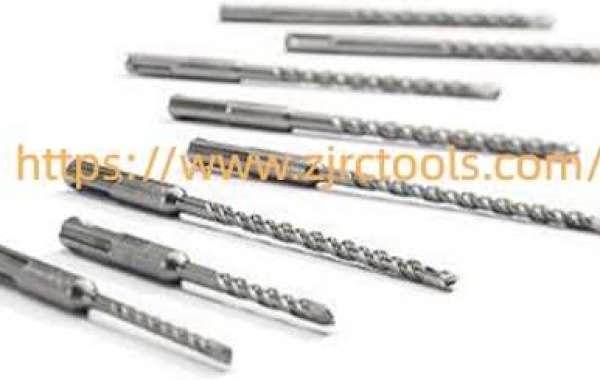
SDS Plus Hammer Drill selection begins with the right accessory for the concrete, the required hole dimensions, and the equipment available on site. For contractors installing wall anchors, mounting brackets, or electrical supports, an unsuitable bit can mean uneven openings, wasted materials, and additional labor. Choosing a compatible product before work begins helps keep installation tasks organized and makes it easier to achieve consistent results across multiple holes.
Concrete is not a uniform material. One wall may contain relatively soft aggregate, while another includes hard stone particles or steel reinforcement. These differences influence how a cutting head interacts with the surface and how quickly an opening can be completed. Before selecting a bit, consider the concrete condition, the frequency of use, and the fixing system involved. Information from the construction drawing or fastener manufacturer can help establish the required diameter and depth.
Compatibility should come before appearance or price. SDS Plus accessories are designed for rotary hammers with a matching holder, allowing the shank to engage correctly during impact operation. They should not be treated as interchangeable with ordinary straight-shank masonry accessories or larger SDS Max products. Checking the equipment manual and the accessory specifications before purchasing can prevent fitting problems, unnecessary returns, and interruptions once a project is underway.
The diameter must match the intended fixing. An opening that is too wide may prevent an anchor from gripping as intended, while an undersized opening can make installation difficult or damage the fixing. Working length also matters. A short accessory may suit shallow wall plugs, whereas deeper installations require sufficient usable length. Remember to distinguish working length from overall length when comparing product specifications, since the full accessory includes the portion held inside the machine.
Tip construction is another factor worth examining. Carbide-tipped designs are commonly used for concrete and masonry because the cutting material can withstand repeated contact with hard mineral particles. Two-cutter and four-cutter configurations are available for different applications. The appropriate choice depends on the product specification, the concrete conditions, and the demands of the job. Where reinforcement may be encountered, consult the accessory manufacturer for guidance rather than assuming a standard masonry bit is intended to cut through steel.
The spiral section also affects how material debris moves out of the opening. Effective debris removal helps limit accumulation around the cutting area and supports a more orderly working process. For contractors completing many anchor holes, consistent removal of concrete dust can make a noticeable difference to the pace of the task. Product geometry, operating conditions, and regular inspection all contribute to the result, so no single design feature should determine the purchasing decision by itself.
Wear deserves attention when comparing products for repeated site use. A damaged carbide tip, bent body, or worn shank can affect hole quality and equipment operation. Check accessories before use and replace any item that shows damage. Operators should follow the equipment instructions, avoid forcing the tool into the material, and allow the cutting action to do the work. Appropriate dust extraction and suitable respiratory protection are also important when working with concrete, which can release respirable crystalline silica.
For purchasing teams, the initial unit price is only one part of the cost calculation. Consider expected service life, the number of holes required, replacement frequency, and the labor involved in completing each installation. Testing a small quantity under representative site conditions can provide useful information before ordering larger volumes. Keep records of hole quality, accessory wear, and operating time so that future purchasing decisions reflect actual working conditions rather than assumptions.
Rct supports buyers who need to evaluate concrete accessories according to practical application requirements. Before requesting a quotation, prepare the required diameters, working lengths, shank type, material specifications, and expected order quantities. These details help narrow the product selection and make communication with a manufacturer more efficient. Visit https://www.zjrctools.com/product/