
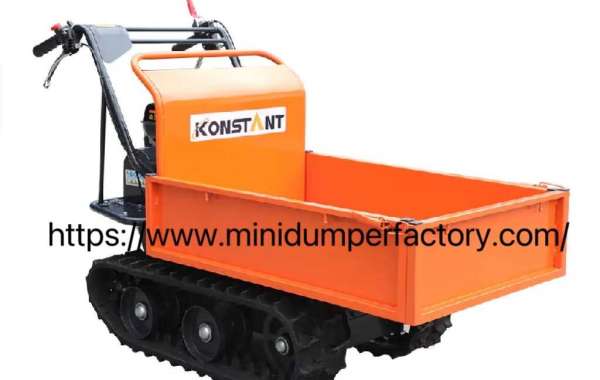
Power Barrow buyers should evaluate more than the purchase price when selecting equipment for construction, landscaping, agriculture, or material handling. A suitable machine depends on the worksite layout, materials being transported, operating schedule, and maintenance arrangements. Before requesting a quotation, prepare a checklist of practical requirements so you can compare available configurations and discuss your needs clearly with the supplier.
Measure Your Worksite Before Choosing a Model
Start by measuring the narrowest access points along the intended route. Gates, corridors, garden paths, doorways, and storage entrances can determine which machine dimensions are suitable for your operation.
Check the turning space at loading and unloading points as well. A machine may fit through an entrance but still require additional room to turn or position its hopper. If the route includes ramps, uneven ground, or restricted overhead clearance, record these conditions before selecting a configuration.
Ask for the overall length, width, height, operating weight, and turning requirements of each model under consideration. Comparing these measurements with your actual site dimensions can help prevent access problems after delivery.
Calculate the Load You Need to Move
Consider the weight and volume of the materials you transport during a typical working day. Soil, sand, gravel, bricks, and demolition debris differ in density, so a container that holds a particular volume will not necessarily carry the same weight of every material.
Ask for the rated payload and hopper dimensions of the specific machine. Also confirm whether the stated capacity applies under particular operating conditions, including slopes and uneven surfaces.
Estimate the number of trips required for your daily workload. A smaller machine may be easier to maneuver through restricted spaces, while a larger configuration may reduce the number of trips when access permits. Your decision should account for both transportation volume and the physical layout of the site.
Should You Choose Wheels or Tracks?
The ground surface affects traction, maneuverability, and maintenance. Wheeled models may suit firm paths, paved areas, and relatively even ground. Tracked configurations may be worth considering for softer soil, muddy areas, or certain uneven surfaces.
Before making a selection, describe the conditions the machine will encounter regularly. Ask about track or tire dimensions, ground clearance, turning behavior, and operating limitations.
You should also consider the effect on finished surfaces. Landscaping contractors working around lawns and planted areas may have different requirements from construction crews operating on compacted gravel. Check the machine specifications and operating instructions rather than assuming every model performs the same way across different terrain.
Which Energy Source Fits Your Daily Schedule?
Electric and gasoline-powered equipment can suit different working environments. Electric models may be useful where noise levels and exhaust emissions during operation are important considerations. Gasoline-powered models may fit outdoor jobs where fuel access and longer operating periods influence the choice.
For electric equipment, check battery capacity, expected operating time, charging duration, and the availability of replacement batteries. For gasoline models, review engine specifications, fuel requirements, servicing intervals, and starting procedures.
Consider the number of working hours between charging opportunities or refueling stops. Your daily schedule, site facilities, and operating environment should guide this decision.
Check the Unloading System and Controls
The unloading mechanism affects how materials are discharged at the destination. Depending on the model, options may include manual tipping, hydraulic tipping, or a high-tipping arrangement.
Explain whether you need to unload onto the ground, into a container, or into another vehicle. Then confirm the tipping height, discharge direction, and clearance required during operation.
Ask about the control layout, steering method, braking system, and operator instructions. If several employees will use the equipment, clear operating procedures and appropriate training should be included in your planning. Make sure the selected machine suits both the unloading task and the available working space.
What Maintenance and Inspection Details Matter?
Before ordering, ask which components require regular inspection and how maintenance should be performed. Relevant items may include tires or tracks, hydraulic connections, filters, engine oil, battery components, fasteners, and moving parts, depending on the configuration.
Request the operation manual, maintenance schedule, parts diagram, and warranty conditions where available. Confirm how replacement parts are identified and ordered, and ask what technical assistance is available if a problem occurs.
For larger purchases, agree on the inspection process before shipment. You may wish to confirm machine functions, accessories, visible condition, product labels, and packaging against a written checklist.
Review the Commercial Terms Before Confirming
A quotation should identify the agreed model, specifications, quantity, unit price, included accessories, customization requests, and packaging arrangements. Ask whether optional components or additional services incur separate charges.
Confirm the production schedule, payment terms, shipping method, delivery responsibilities, and documents supplied with the order. If importing the equipment, check the requirements applicable to your destination market before production begins.minidumperfactory provides compact material transport equipment for businesses evaluating different machine configurations and purchasing requirements. Visit https://www.minidumperfactory.com/ to review the product range and submit your inquiry. Include your intended application, material type, required payload, site dimensions, preferred energy source, unloading needs, order quantity, and destination country so the team can discuss suitable equipment options and order arrangements with you.





