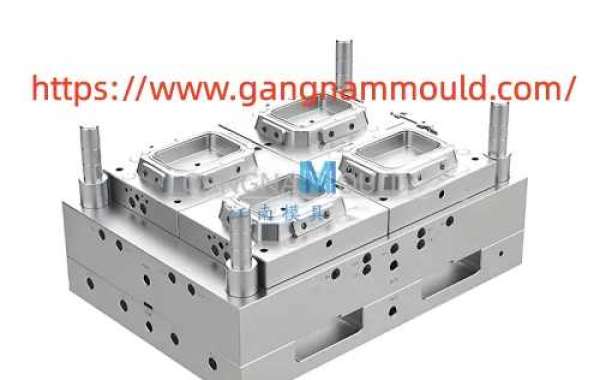
Buck Basket Injection Mould cycle time depends on several linked variables that factories can measure and adjust for more predictable output. Understanding each element helps operators keep daily totals steady while protecting tool life.
Cooling accounts for the largest share of total time in most plastic forming cycles. Uniform water channels remove heat evenly across the cavity surface. Channels that sit too far from the wall leave hot spots that force longer waits before safe ejection. Closer spacing and higher flow rates shorten this phase yet must still maintain surface temperature within the resin process window. Steel type also plays a role. Higher conductivity grades transfer heat faster than standard tool steels and can trim several seconds per shot when wall sections are thick.
Fill and pack phases follow next. Melt temperature and viscosity determine how quickly the resin reaches the farthest corners. Higher melt heat lowers viscosity and speeds flow but raises the risk of degradation if held too long. Gate diameter must allow rapid passage without excessive shear. Undersized gates create pressure drops that extend fill time and may leave incomplete sections. Runner balance ensures every cavity fills at nearly the same moment so the overall process does not wait for the slowest one.
Clamp and open times add further seconds. Tool weight and press hydraulic response set the minimum duration for closing and locking. Heavier units need stronger cylinders and longer stroke travel. Ejector stroke length and force must clear undercuts cleanly. Sticky surfaces or insufficient draft force operators to pause and assist release which lengthens the sequence.
Part geometry itself sets physical limits. Thicker sections store more heat and require extended cooling regardless of channel design. Ribs and bosses create local thick zones that cool slower than surrounding walls. Designers can reduce these differences by core outs or uniform wall targets yet the final shape still dictates a minimum solidification period.
Process settings on the press interact with the tool. Holding pressure duration must be long enough to compensate for shrinkage yet short enough to avoid unnecessary delay. Screw recovery time should finish before the previous shot cools so the next cycle starts without idle waiting. Temperature controllers that drift force frequent manual checks and add unplanned pauses.
Maintenance routines protect the planned cycle length over months of use. Scale buildup inside cooling lines reduces flow and raises surface temperatures. Blocked vents trap air and create short shots that need slower fill speeds. Worn ejector pins increase friction and may require higher force or longer strokes. Scheduled cleaning and inspection keep these issues from accumulating.
Material choice also influences timing. Filled resins often need higher melt temperatures and longer cooling because they retain heat longer. Unfilled grades flow more easily and solidify sooner. Color concentrates or additives can alter viscosity so trial runs remain useful when changing formulations.
Factories that record each segment of the cycle gain clear data for improvement. Timing charts reveal whether cooling fill or mechanical movement offers the greatest opportunity for reduction. Small changes in water temperature or gate polish often yield measurable gains without redesign.
Gangnammould supplies tooling with documented cooling layouts and trial data so buyers can verify expected cycle ranges before installation. Operators who match press parameters to the supplied process sheet usually reach stable times within a few shifts.
Careful attention to channel design resin behavior and press settings keeps cycle duration under control and supports consistent daily output. Review current tooling options and request cycle estimates based on your resin and press data at https://www.gangnammould.com/product/