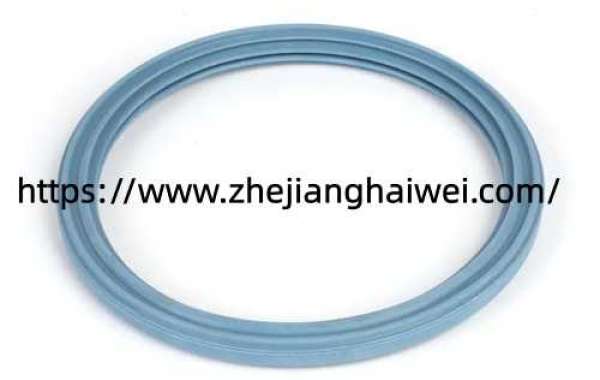
Automobile Oil Filter Seals can still experience leakage after replacement when the real cause is related to installation, surface condition, component compatibility, or tightening. A new sealing component does not automatically correct an unsuitable mating surface or an incorrect assembly method. Automotive service guidance identifies several common causes, including leftover material from the previous component, insufficient or excessive tightening, contamination, and incorrect positioning.
One common issue occurs when the previous sealing ring remains attached to the mounting surface. If another component is installed without removing it, two sealing layers can interfere with proper compression. This can create an uneven contact area and allow lubricant to escape when the system becomes pressurized. Checking that the previous ring has been removed before fitting a replacement is therefore an important maintenance step.
The condition of the mating surface also matters. Dirt, old rubber, hardened residue, scratches, corrosion, or small surface imperfections can prevent uniform contact. A clean and properly prepared surface gives the new component a more consistent area against which to compress. The surrounding housing should also be inspected before assembly.
Lubrication during assembly is another practical point. A dry rubber component may experience additional friction while being positioned, which can cause twisting, displacement, or damage. Applying a suitable amount of clean engine oil can help the component move into position during installation. The correct procedure should always follow the requirements for the particular assembly.
Tightening also needs attention. Insufficient clamping can leave inadequate compression, while excessive tightening may deform the rubber or damage the housing. The appropriate procedure varies according to the vehicle and component design, so technicians should follow the specified installation instructions instead of relying on feel alone.
Material compatibility should be considered when a replacement repeatedly develops problems. Automotive lubricant contains additives that can interact with elastomer compounds over time. Temperature changes can also affect flexibility and dimensional behavior. A sealing material should therefore be selected according to the lubricant, temperature range, surrounding components, and expected service conditions.
The physical condition of the replacement part deserves inspection before assembly. Cuts, flattened areas, twists, molding defects, deformation, or incorrect dimensions can affect how the component contacts the mounting surface. Comparing the replacement part with the required specification can help identify an unsuitable component before installation.
The filter housing should not be overlooked either. A damaged housing, distorted mounting area, damaged threads, or a cracked polymer section may continue to create leakage even after a new sealing component has been fitted. In these cases, replacing only the rubber component may not address the underlying issue.
Temperature cycling can create another challenge. The filtration assembly is exposed to repeated heating and cooling as the vehicle operates. Over time, elastomer components may harden, soften, or lose their original shape depending on material and service conditions. This is why material selection should consider actual operating temperatures rather than only the surrounding ambient environment.
Vibration and movement should also be taken into account. Automotive components operate within a mechanically active environment where vibration can occur during driving and engine operation. A component that is incorrectly positioned may move from its intended location. Proper seating, suitable compression, and accurate dimensions help the sealing assembly remain correctly positioned during service.
For manufacturers, understanding the customer application can make product selection more precise. Useful information includes vehicle or equipment specifications, component dimensions, lubricant type, temperature range, mounting structure, installation method, and photographs of the existing part. Drawings and samples can also help when a component has a specialized profile.
Zhejianghaiwei works with automotive sealing components and can evaluate product requirements according to customer specifications. Providing complete technical information allows material, dimensions, construction, and production requirements to be considered together. This approach is useful when customers need replacement components for different filtration assemblies or require a customized configuration.
A replacement should therefore be viewed as part of a complete maintenance process rather than an isolated component change. Checking the previous component, cleaning the contact surface, inspecting the housing, confirming material compatibility, lubricating the new rubber part when required, and following the correct tightening procedure can all contribute to a more consistent installation. Customers looking for automotive sealing products and related component solutions can review the product range at https://www.zhejianghaiwei.com/product/ and compare the available options with their equipment requirements.